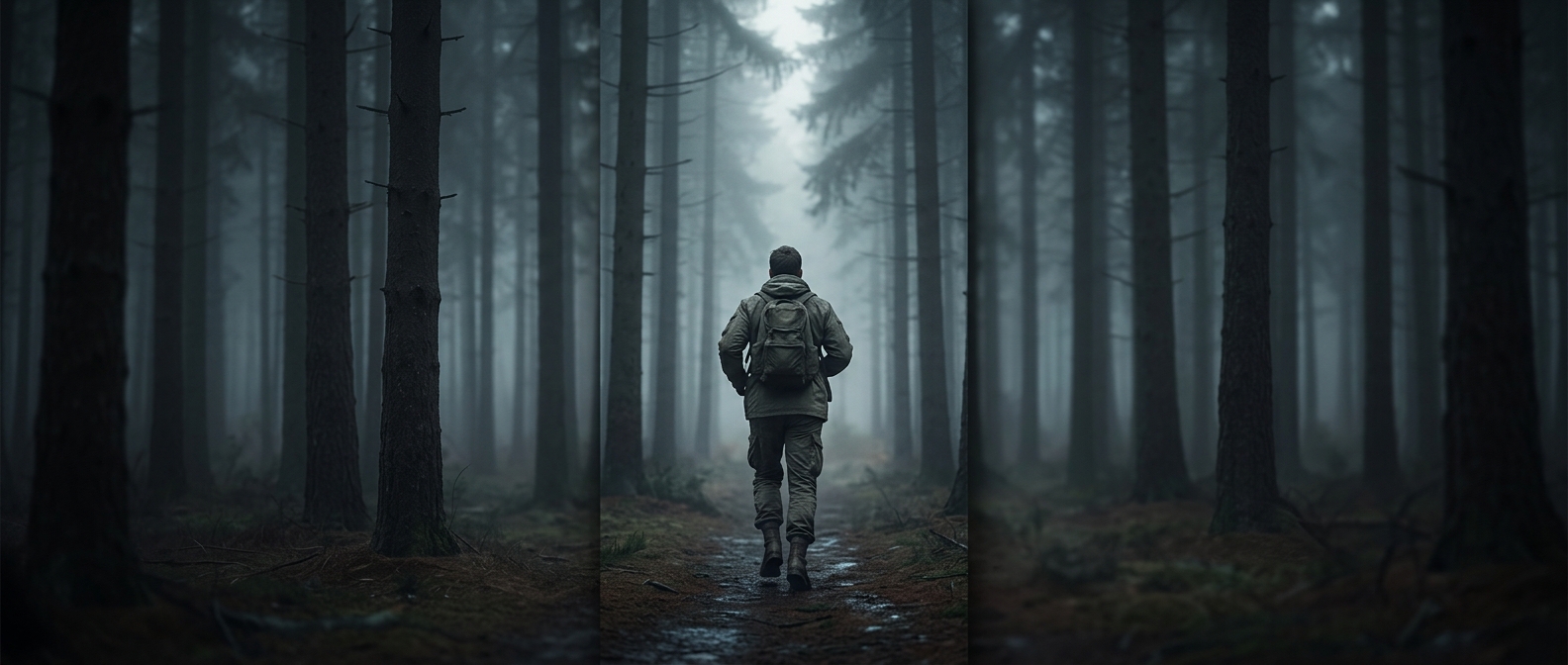
The long walk is part of the survival problem
In DayZ, distance is not just scenery between interesting moments. A player leaving one settlement for another has to spend time exposed, while food, water, and other supplies remain limited. The woods may look empty, but crossing them means deciding what to carry, where to go, and whether a possible reward is worth the trip.
That slow pace also makes sound and visibility matter. A player who runs may cover ground faster, but movement can draw attention and consume stamina—the short-term reserve used for strenuous actions. Jogging is therefore a compromise: keep moving, but avoid treating every stretch of road as a sprint.
A small meal can become a costly gamble
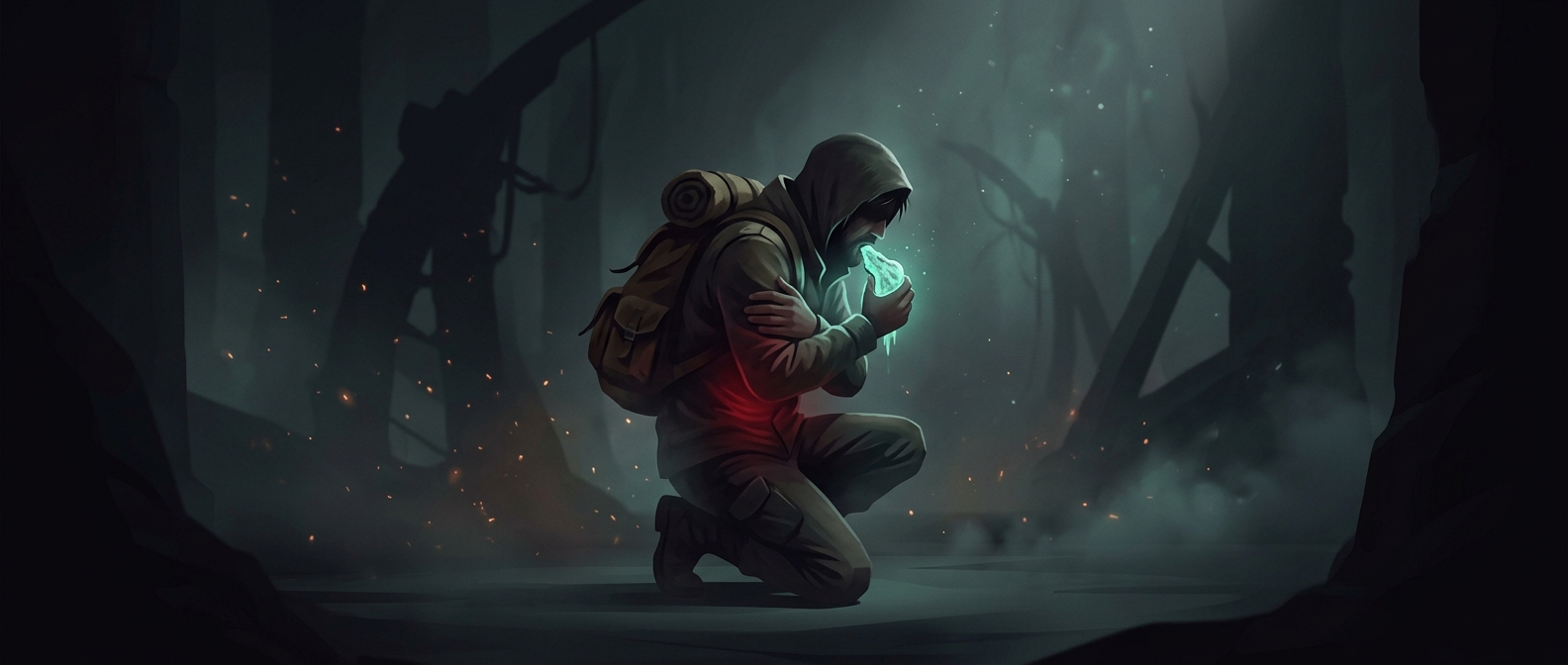
Food found in the world is not automatically safe. Rotten fruit can make a character sick, and illness can lead to vomiting. That turns a quick attempt to ease hunger into a second problem: losing fluids when clean water may already be hard to find.
The decision is not simply “eat or don’t eat.” A hungry character may need calories now, while the safer option might be to keep searching. Players have to judge the immediate need against the chance that a dubious item will make the journey harder. The game’s tension comes from making ordinary survival choices carry consequences, not from filling every mile with combat.
Why the quiet stretches stick
Because danger is uncertain, an uneventful walk still asks the player to stay alert and manage dwindling resources. When something finally goes wrong, it may be the result of several small decisions made far from safety—not just a sudden encounter. That is why a piece of bad fruit can feel like a major event: it can turn a routine supply run into a longer struggle to get back alive.