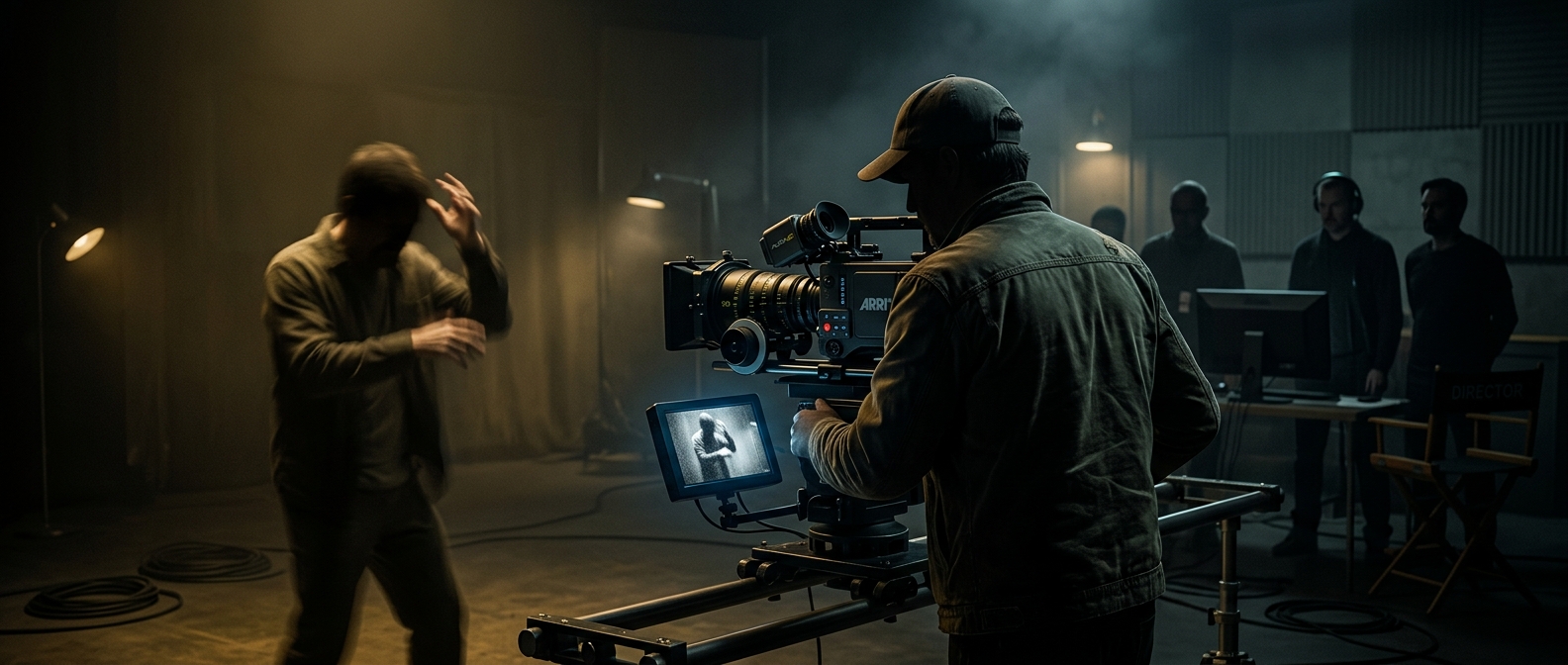
A futuristic entrance, built by hand
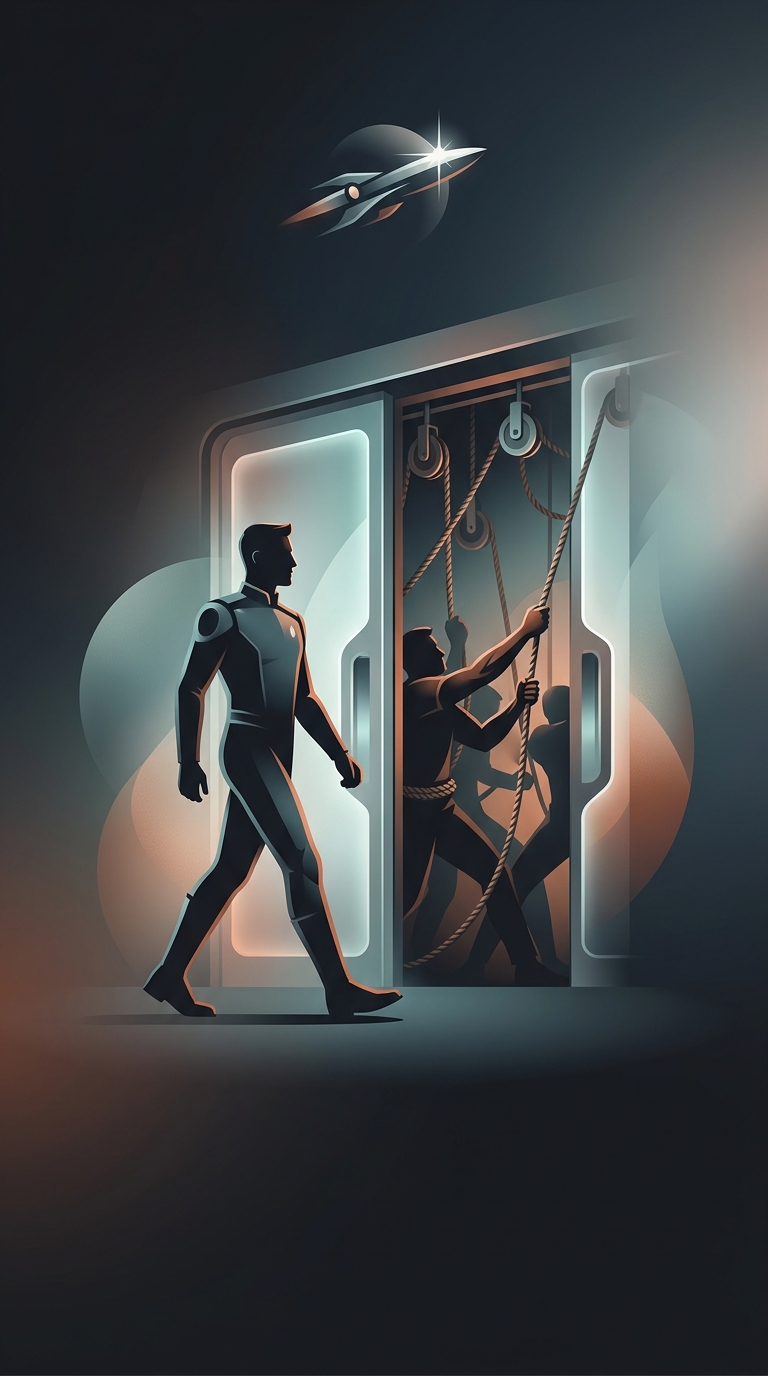
The doors aboard the Enterprise looked as if the ship recognized an approaching officer and opened on command. In practice, the effect depended on stagehands working out of sight. Ropes and pulleys let them move the lightweight, painted plywood panels from off camera, creating the impression of an automatic mechanism without requiring the set itself to contain one.
That solution fit the realities of a television production: a convincing illusion could be built from simple materials, but it still had to be operated live. The actors’ movements and the crew’s cues had to line up. A door opened too early, too late, or not at all, and the carefully staged passage through the futuristic ship became visibly ordinary.
When the timing slipped
The setup turned a routine entrance into a small coordination problem. An actor had to reach the right spot as a hidden operator pulled the mechanism; the operator, in turn, had to judge the cue without being seen. If the panels stayed shut, an actor could meet the set rather than pass through it—a comic reminder of how little separated science-fiction spectacle from backstage labor.
The trick also shows what television effects often required before mechanisms could reliably create the illusion on their own: people performing the technology just outside the frame. The Enterprise’s doors seemed to respond instantly, but every smooth entrance depended on someone behind the scenery pulling at exactly the right moment.