The “odd hour” is often a clock setting, not a midnight meeting
A free-trial reminder may be scheduled by software rather than sent by a person watching the clock. The system can calculate a send time from the trial’s end date, then queue the message for delivery. If the account’s deadline is stored in one time zone while the email is processed in another, a reminder meant to arrive “the day before” can land at an unfamiliar local hour.
Large email systems also release queued messages in batches. That can make delivery time look less precise than the rule that triggered the message. And when a service sends according to a user’s recorded time zone—or lacks reliable location data—the result may still feel oddly timed.
Why send it before the trial ends?
The goal is to reach people while there is still time to act. A reminder can prompt a customer to cancel before billing begins, or to decide that continued access is worth paying for. Either way, the email turns an approaching deadline into something visible in the inbox.
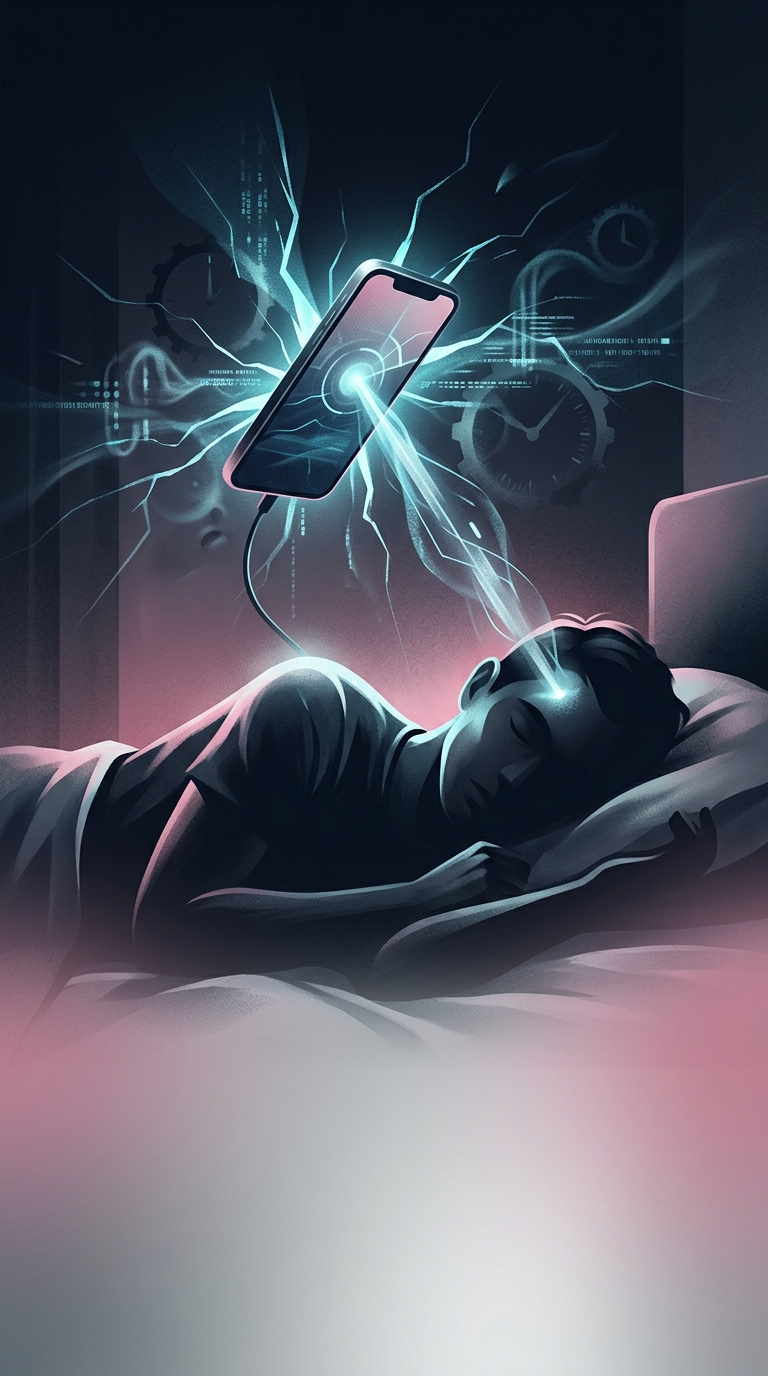
A late-night message can feel especially intrusive because it arrives when people are less likely to be checking email. But the timing alone does not show that a company chose that hour to catch someone tired or off guard. It may reflect an automated countdown, a time-zone mismatch, or the system’s delivery schedule.
The deadline is the design choice
The more consequential choice is usually not the minute the email arrives, but how the reminder frames the deadline: when the trial ends, whether payment follows automatically, and what action the customer must take. Those details determine whether a person can make an informed choice before the trial converts. The strange timestamp is often the visible trace of software turning a calendar rule into a message.