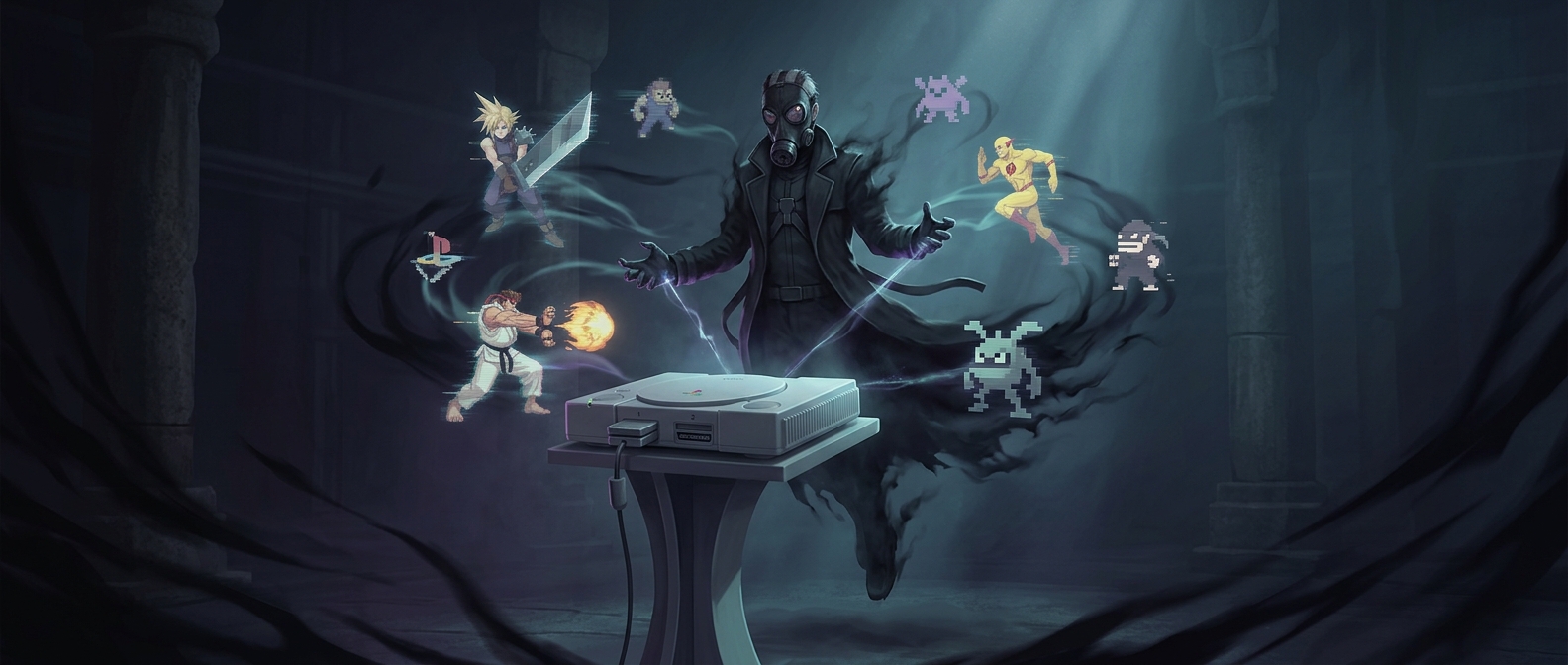
A character who seemed to know your gaming history
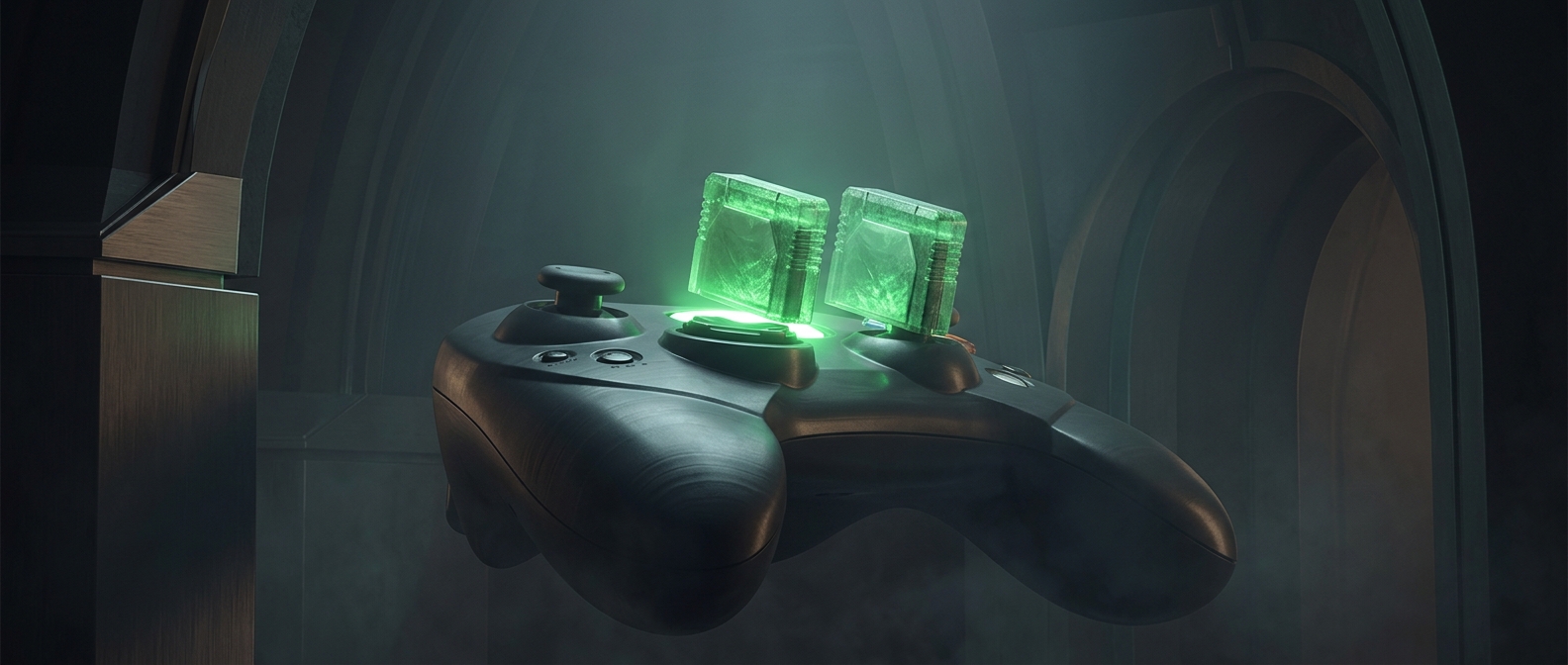
When Psycho Mantis recognized other PlayStation games, the effect depended on something ordinary: the PS1 memory card was shared storage, not a private vault for each game. A game could look through the card’s directory—the list of saved-game files—and identify which titles had left data there. Metal Gear Solid used that information to tailor Mantis’s dialogue.
The console was not reading the player’s mind, and the character was not detecting what someone had played in general. The trick worked only when the relevant save data was present on the card. That limitation made the moment feel more personal, not less: the game had turned a routine piece of housekeeping into apparent knowledge about the person holding the controller.
Turning a technical check into a performance
Mantis’s scene is built around breaking the boundary between the story and the player. Instead of addressing only the fictional hero, he appears to inspect the player’s own gaming history. Because the line is delivered as part of a supernatural confrontation, the mundane explanation stays out of sight while the surprise lands.
That was a particularly effective use of the PS1’s memory-card system: a small amount of information saved for practical reasons became material for characterization. The scene could not reveal a complete history, only recognize compatible traces left on the card—but even that narrow peek made the game world seem to reach beyond the screen.