When the self no longer feels real
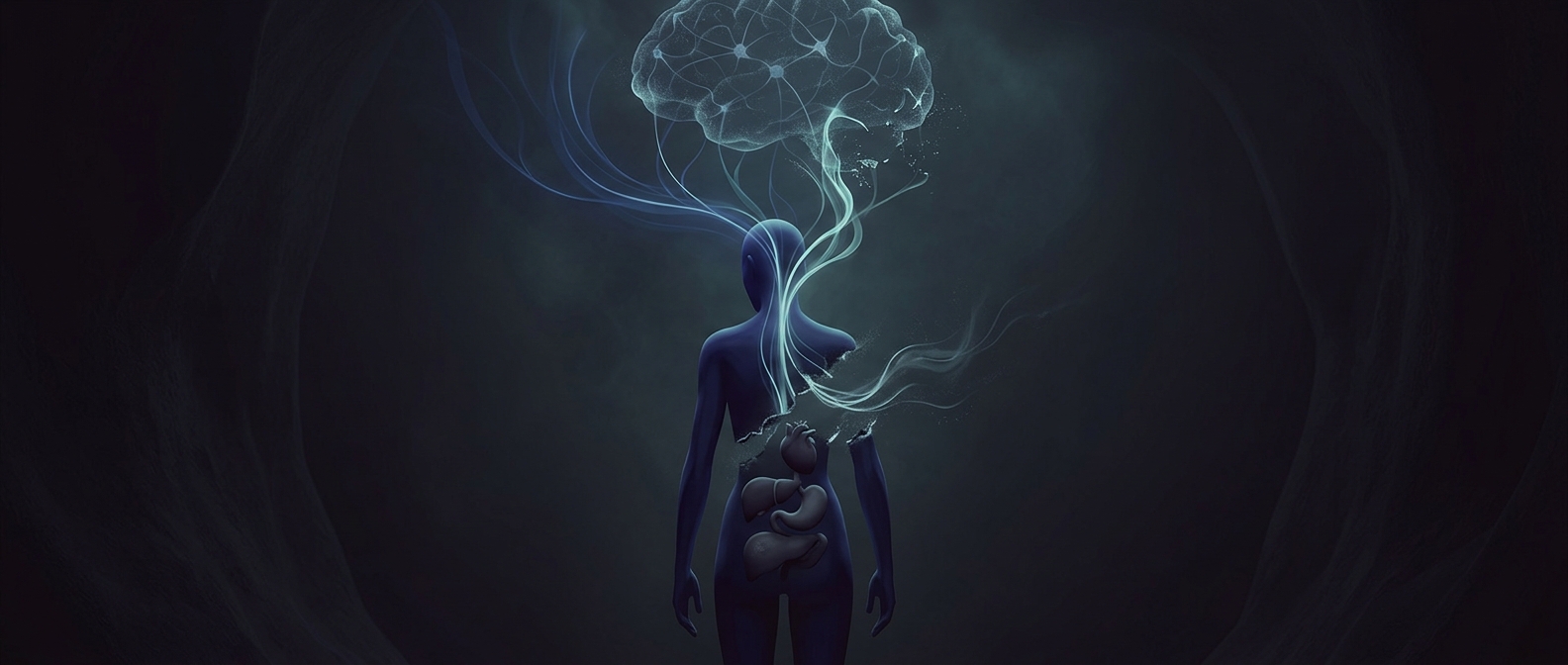
Cotard’s syndrome is a rare psychiatric condition in which a person develops the fixed belief that they are dead, do not exist, or have lost parts of their body. The belief is not a metaphor or a deliberate performance: it can feel like the most convincing explanation for an experience the person cannot otherwise make sense of.
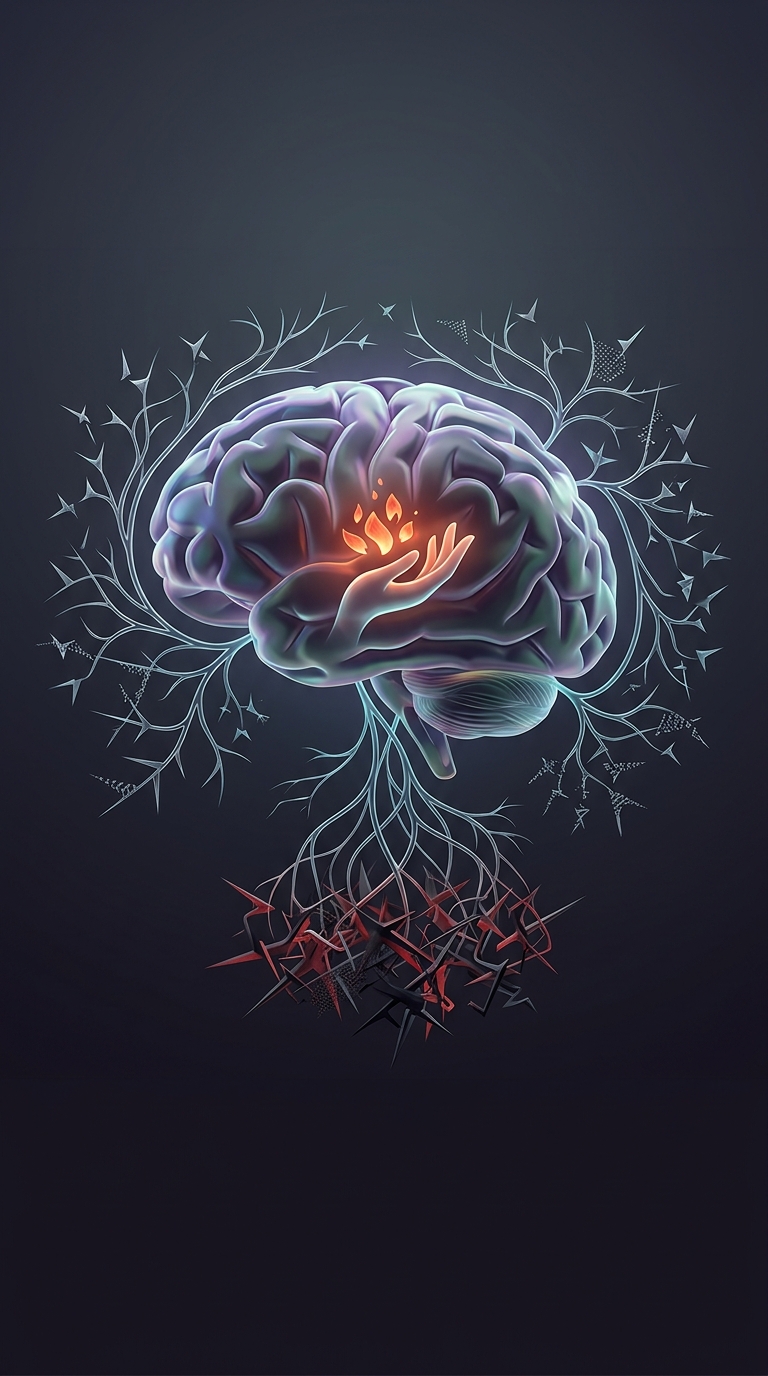
The syndrome can occur alongside severe depression, psychosis, brain injury, or neurological illness. There is no single established cause. One proposed explanation is that a person’s perception of themselves becomes disconnected from the familiar feelings that usually accompany it. A face may still be visible in a mirror, for example, while the sense of recognition or emotional familiarity is absent. In some cases, the mind may interpret that mismatch as evidence that the person is dead. This is one possible pathway, not a universal explanation.
Why the belief can become dangerous
Ordinary routines depend partly on assuming that the body needs care. If someone believes they are dead, eating, drinking, washing, or seeking medical help may seem pointless. The risk is not that a person is choosing to neglect themselves, but that a powerful delusion can make basic needs feel irrelevant or unreal.
Care therefore focuses on both the underlying condition and immediate safety. Clinicians assess the person’s symptoms and health, address problems such as depression or psychosis when present, and make sure they receive food, fluids, and needed medical attention. A belief of being dead can have very real consequences for a living body, which is why it calls for prompt professional care rather than argument or ridicule.