A story could begin with someone else’s plot
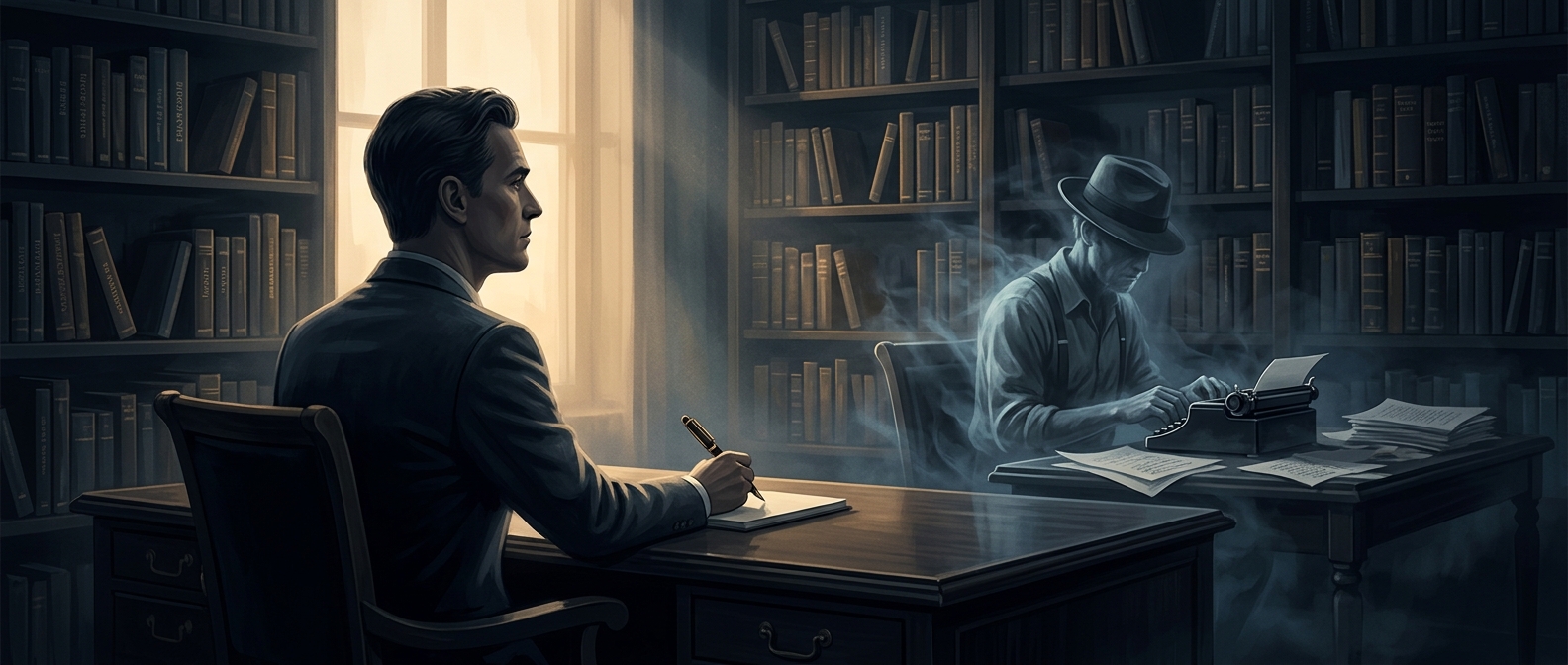
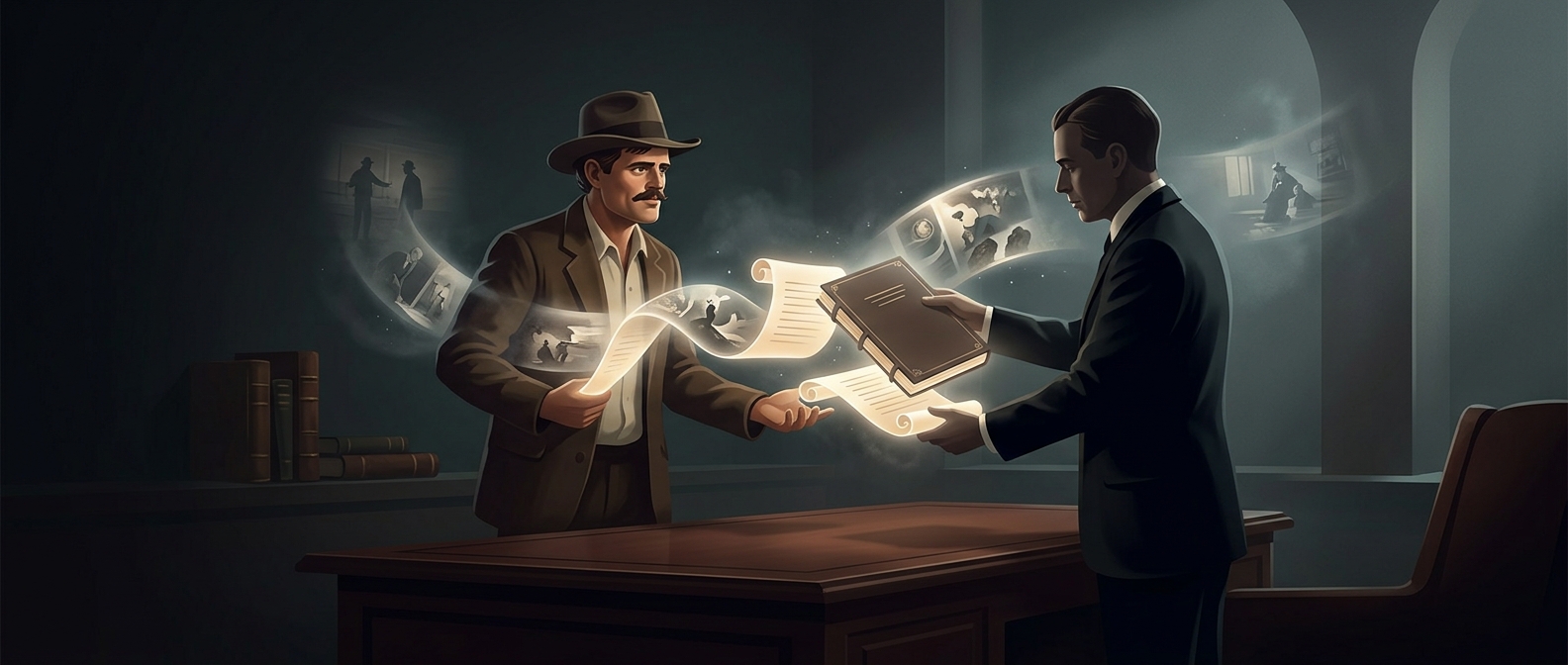
Jack London’s payments to the young Sinclair Lewis reveal a division of creative labor: one writer supplied developed plots, and another turned them into stories for publication. A plot is more than a premise such as “a person faces danger.” It lays out events and conflict—the sequence that gives a story somewhere to go.
That left London room to shape the material in his own prose: deciding how scenes unfolded, what characters said and did, and how the narrative reached its end. He paid roughly $5 to $15 for each plot, then published the resulting work under his own name.
Where the authorship sat
The arrangement separates inventing a story’s structure from writing its finished form. Lewis contributed the underlying narrative plan; London’s name appeared on the published work. It is a reminder that a published story can emerge from collaboration even when readers see only one author credited—and that the boundary between an idea and a finished work can involve paid creative work, not just inspiration.