A world made possible by divine self-limitation
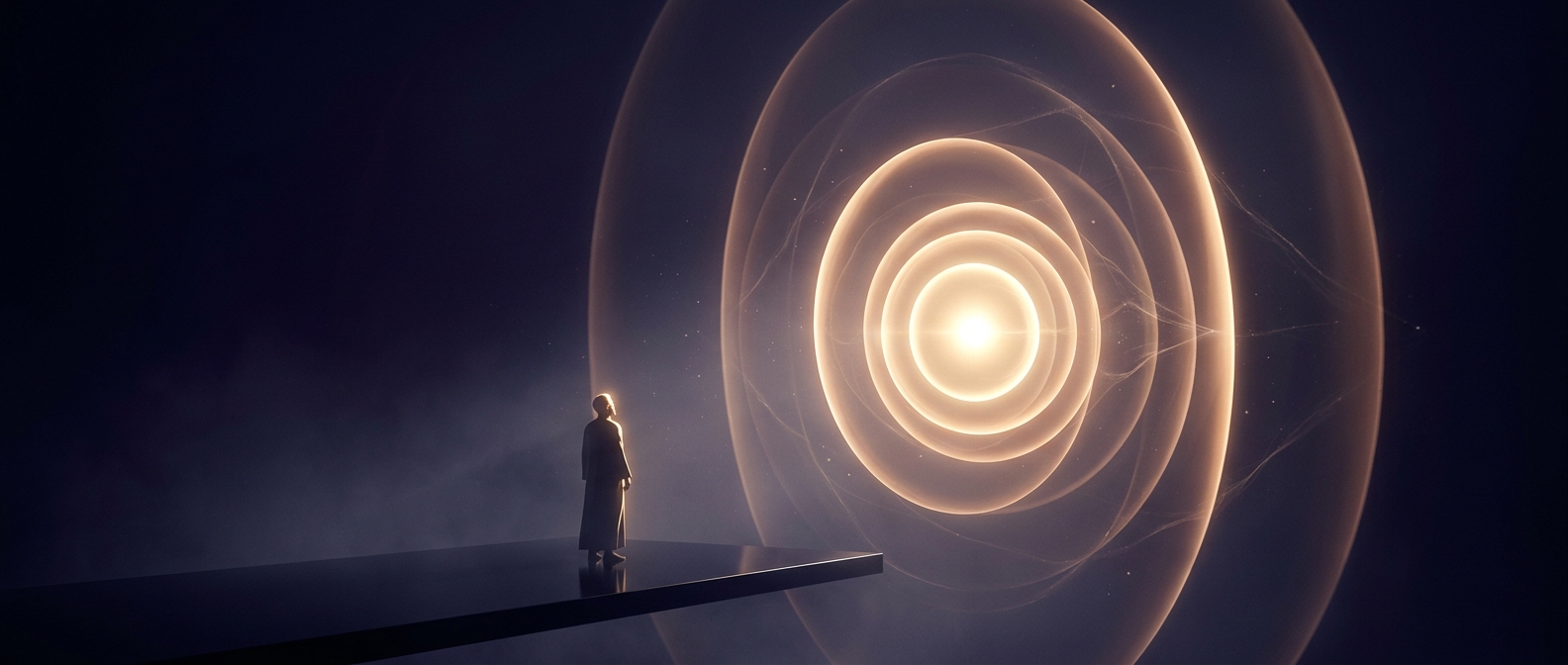
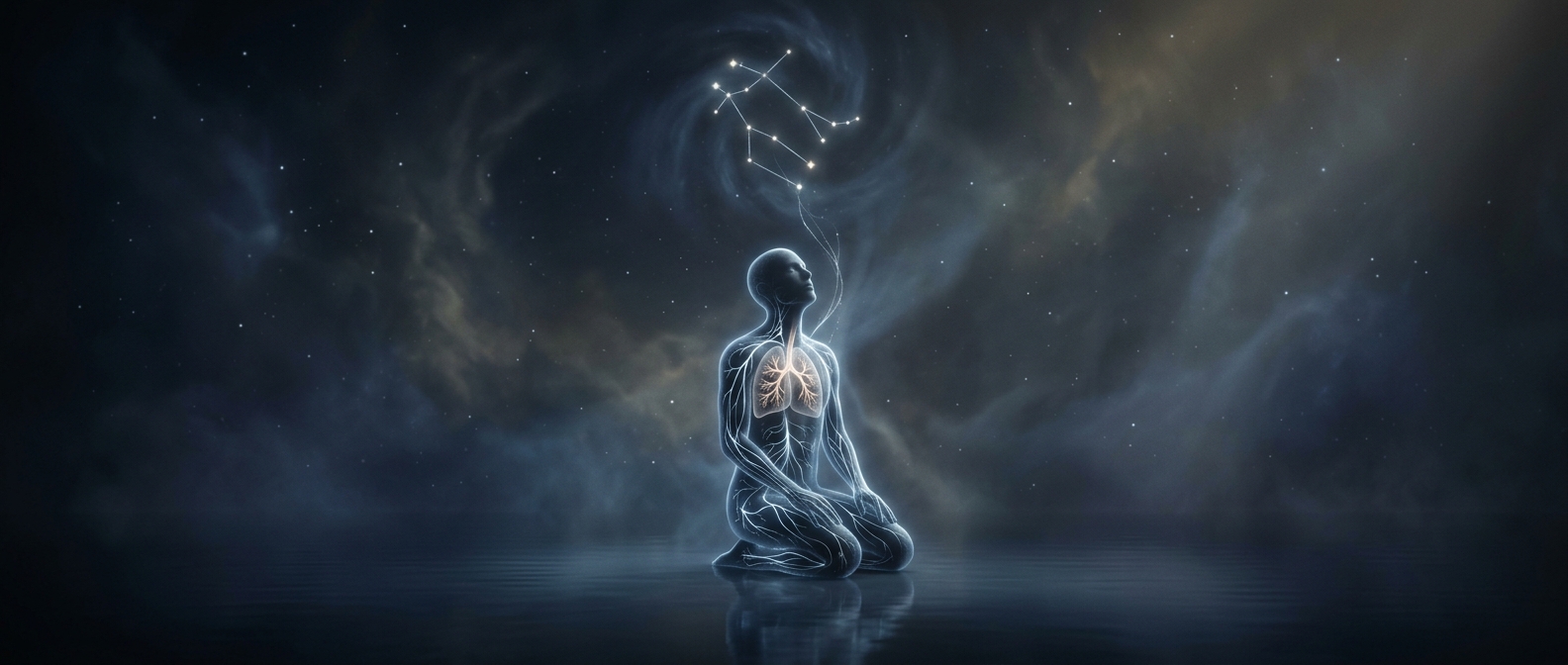
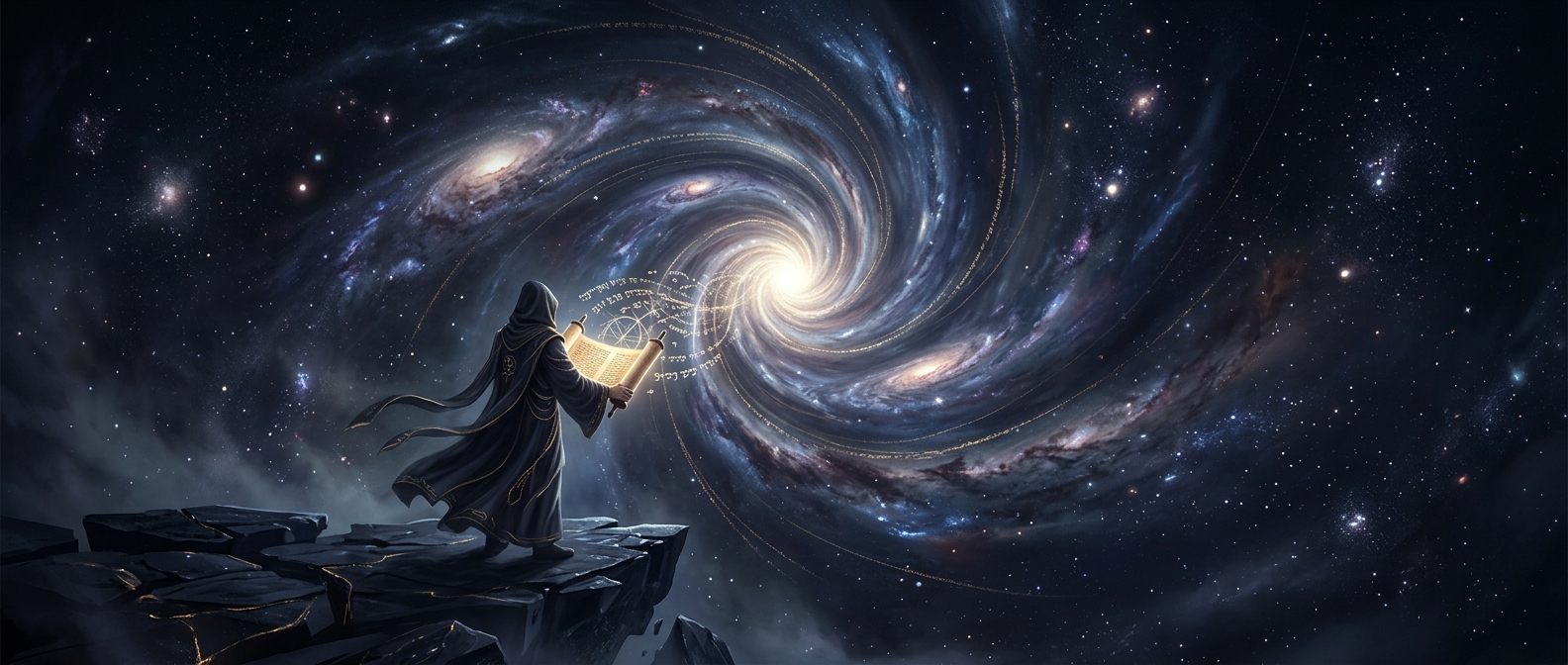
The idea that the infinite contracted to make room for a finite world is a way of describing creation as an act of self-limitation. If the infinite fills all reality, the puzzle is how anything distinct from it could exist: a finite world seems to need boundaries, separate objects, and room to be itself.
In this picture, creation does not begin with a second substance competing with the infinite. Instead, the infinite somehow holds back or limits its presence, making a realm of difference possible. The “contraction” is a metaphor for that withdrawal—not necessarily a physical event in space, since space itself is part of the world the idea is trying to explain.
The paradox inside the image
The image solves one problem while raising another. If the infinite withdraws completely, what sustains the world? If it remains present, how is the world truly separate? Mystical interpretations can treat the finite world as both genuinely distinct and still dependent on the infinite, rather than as something that exists entirely on its own.
That tension gives the idea its force. It turns the existence of ordinary, limited things into a question about relationship: how can boundaries and individuality arise without severing the world from its ultimate source? The proposal is a metaphysical account, not a scientific description of the universe’s expansion or contraction. Its memorable claim is that creation may require not only power to make a world, but restraint enough to let that world have room to exist.