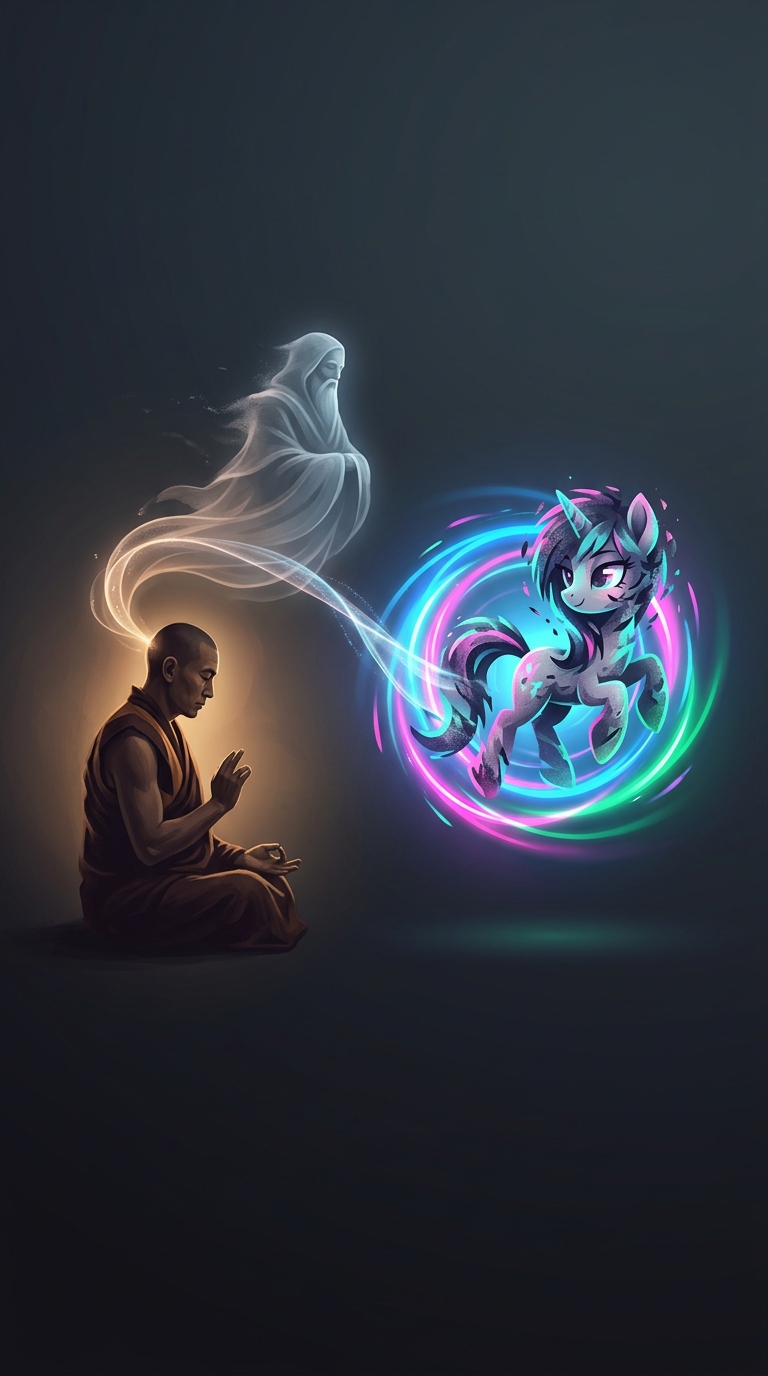
A Tulpa Begins as a Deliberate Mental Image
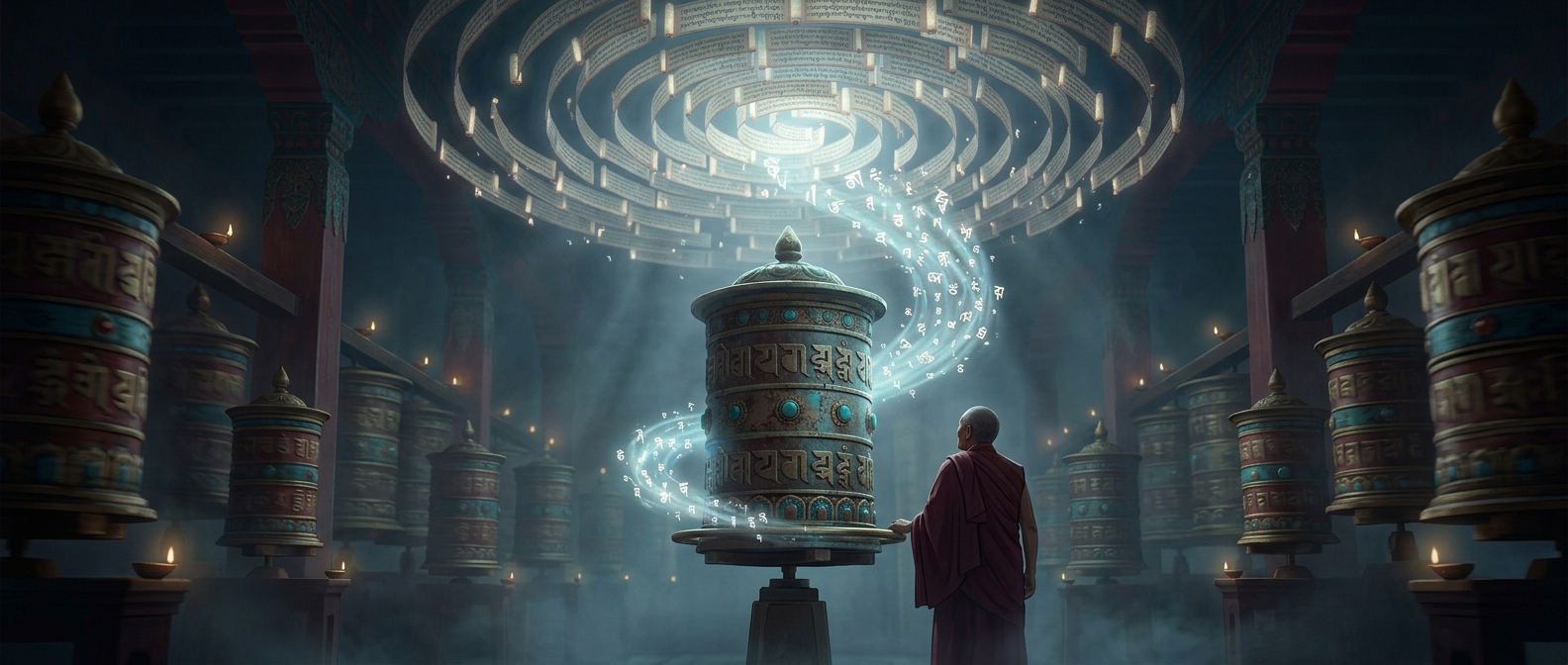
The word tulpa is often used for an imagined figure cultivated until it seems to have a presence of its own. The idea draws on Tibetan Buddhist language and practices involving sprul pa, usually translated as an emanation or something deliberately manifested. In Buddhist contexts, such language belongs to religious ideas about appearance and manifestation; it does not simply mean that an ordinary daydream becomes a physical person.
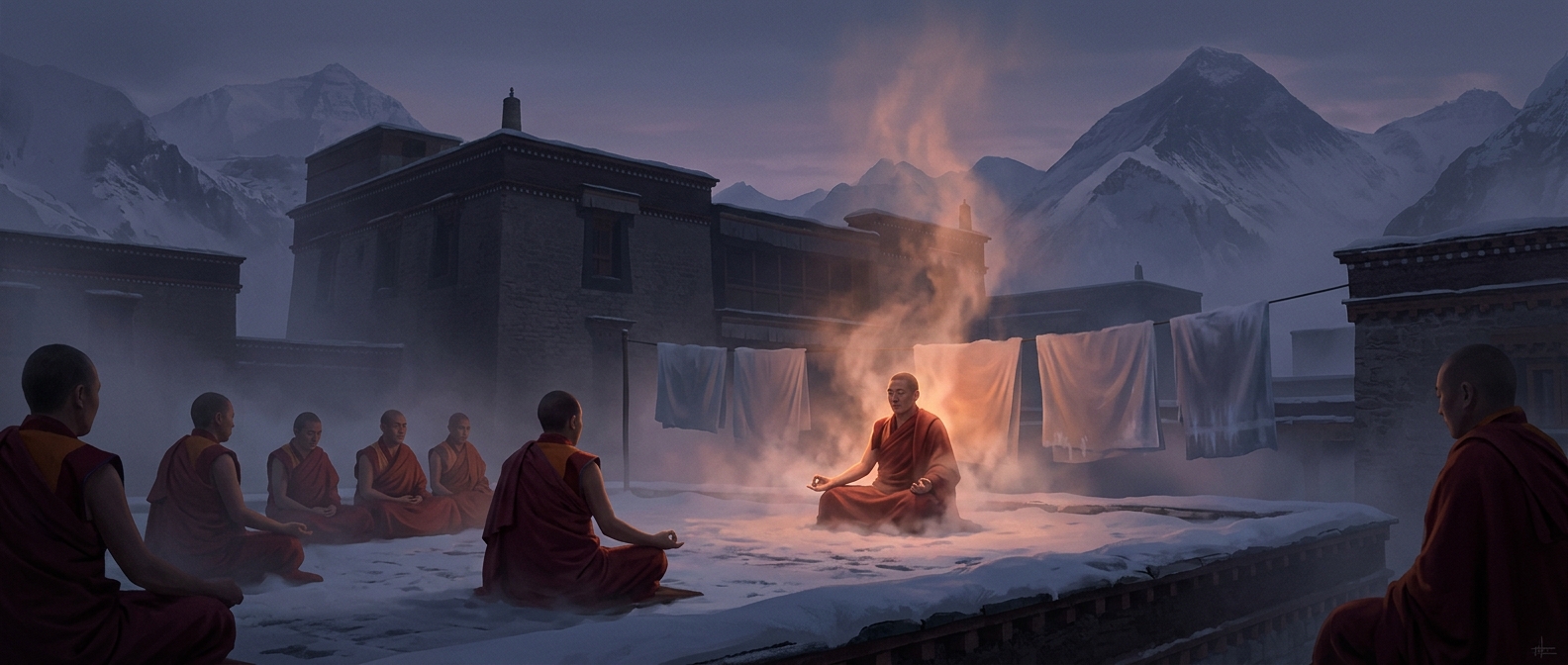
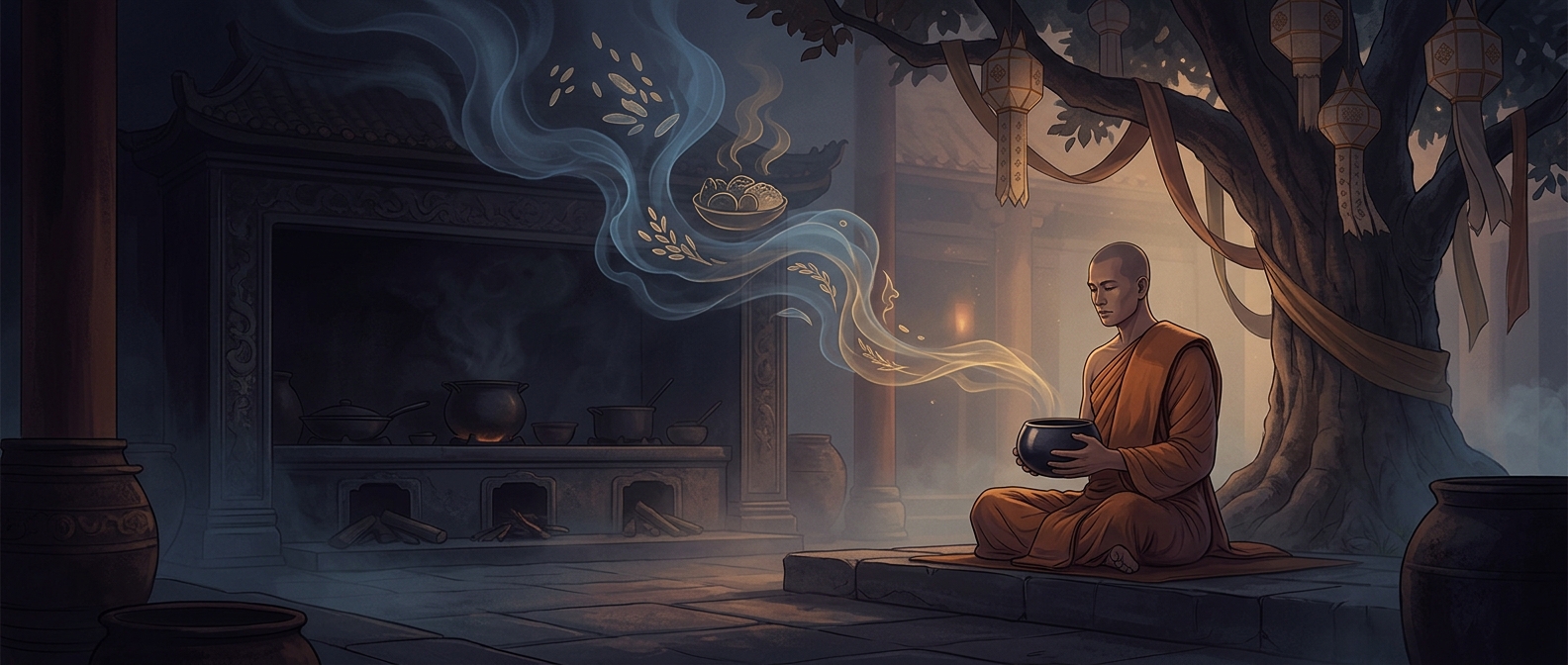
The striking version familiar in Western accounts turns that idea into a psychological drama. A practitioner repeatedly pictures a chosen figure—its appearance, manner, and actions—and sustains the image through concentrated attention. The figure may then feel increasingly vivid or seem to act independently. That sense of agency is the key to the story: the imagined character no longer feels like something the practitioner is consciously directing.
David-Néel’s Monk and the Power of Attention
The explorer and writer Alexandra David-Néel helped popularize this account in the early twentieth century. She described imagining a cheerful monk through sustained meditation, then said the figure grew difficult to control and took weeks of effort to dispel. Her episode is a personal report, not evidence that an imagined being acquired a body or consciousness outside her mind.
What makes the story memorable is its reversal. The exercise begins with deliberate authorship: the practitioner supplies the character’s face, temperament, and behavior. But vivid mental imagery can feel involuntary, just as a dream can seem to unfold without conscious control. In the tulpa narrative, that familiar shift is interpreted as the creation of an independent presence.
The tale therefore sits between religious vocabulary and a powerful account of subjective experience. Its enduring consequence is not proof of a material being, but a memorable warning embedded in the story: an imagined presence can feel less like a creation when attention has made it vivid enough.