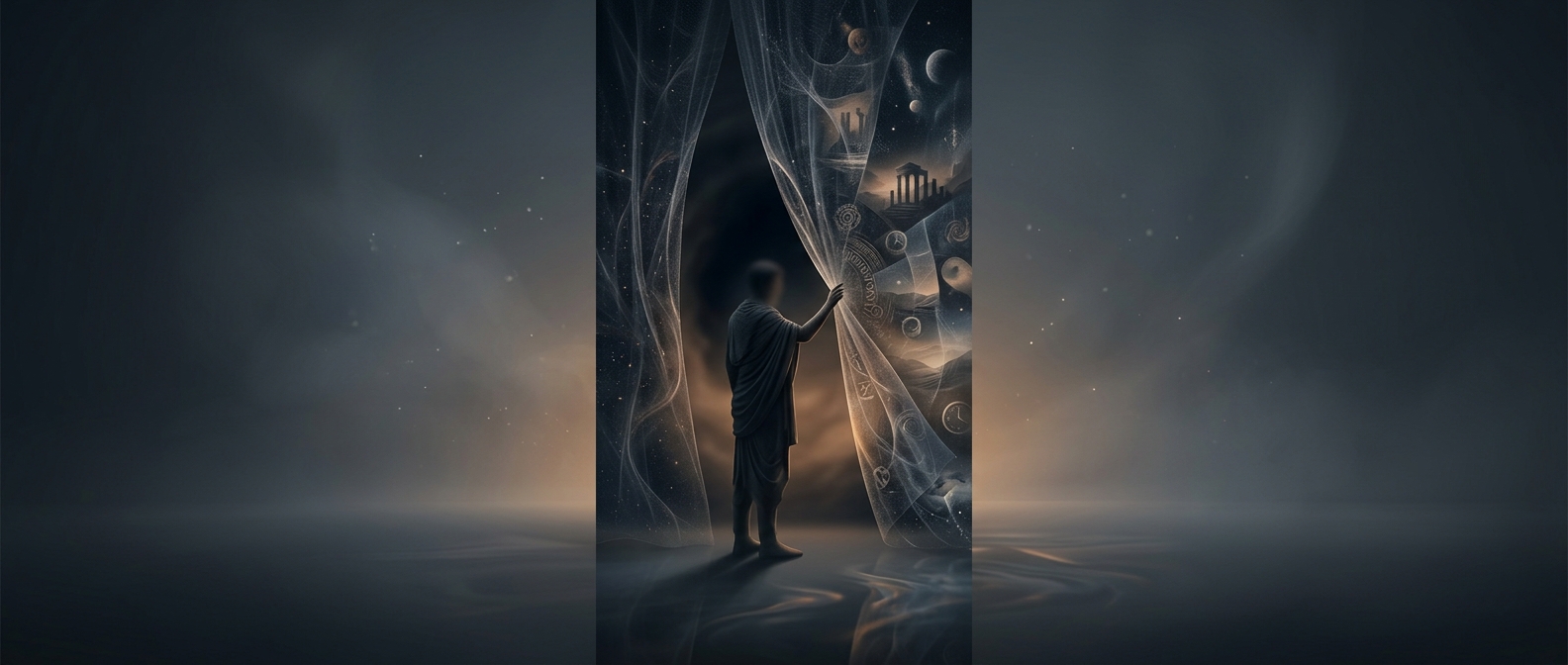
Seeing “suchness” beneath the labels
Tathatā is a Buddhist term often translated as “suchness” or “thusness”: reality as it is, before it is fixed into the judgments and categories we habitually apply. It does not mean that a tree stops being a tree or that distinctions become useless. It points instead to the difference between meeting an experience and treating our description of it as the whole experience.
A person might hear a sharp sound and immediately decide that it is irritating, threatening, or evidence of someone’s bad intentions. Those interpretations can be useful, but they arrive alongside the sound; they are not the sound itself. The idea of suchness draws attention to that gap.
Not a separate, hidden world
In many Buddhist teachings, this way of seeing is tied to emptiness: things do not possess a permanent, self-contained essence independent of their causes and conditions. A flower, for example, depends on soil, water, light, and countless other circumstances. Seeing it as it is does not mean discovering a secret substance behind the flower. It means loosening the assumption that it exists entirely on its own, exactly as our labels suggest.
That is why tathatā is not simply a mystical claim about leaving ordinary life behind. The point is to encounter ordinary things with less confusion between what is present and the stories the mind builds around it.
A shift in attention, not a new object
Buddhist practice can use meditation and careful attention to make habitual reactions easier to notice. The aim is not necessarily to stop thought or judgment from arising. Rather, a practitioner may learn to recognize them as responses, instead of mistaking them for reality itself.
The practical consequence is subtle but meaningful: when a reaction is no longer treated as the only possible account of a moment, there may be more room to respond deliberately. Suchness names that change in seeing—not a different world, but a less rigid way of meeting this one.