Why a Small Detail Can Feel Like a Changed World
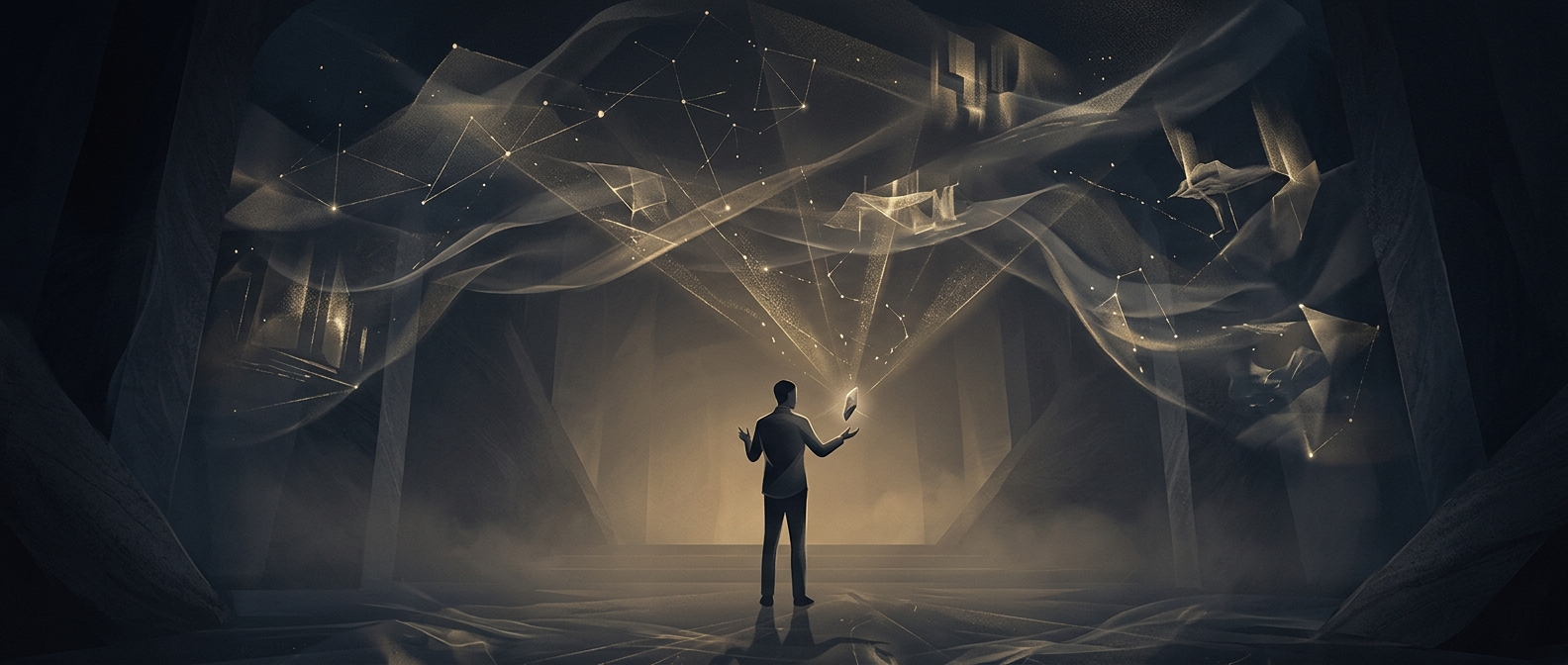
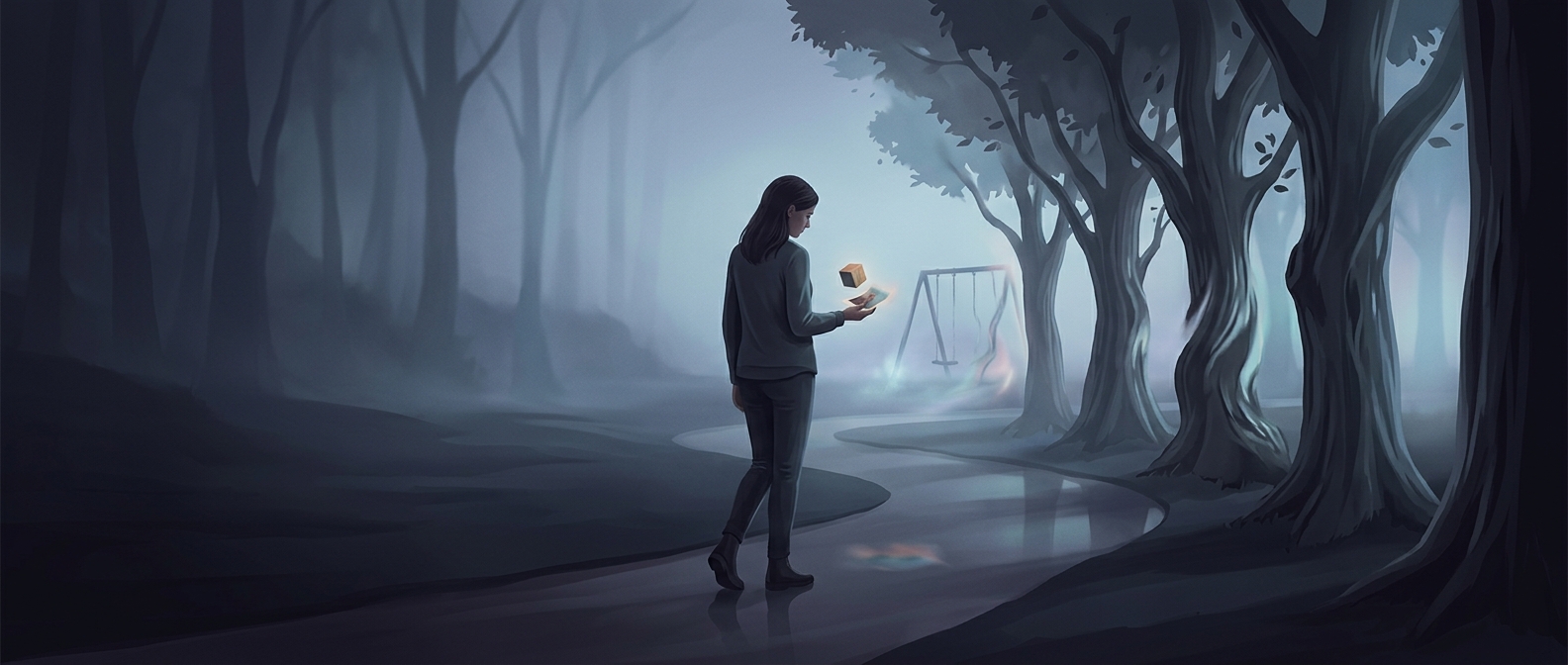
A familiar logo is more than a picture: it is tied to childhood routines, favorite products, and the feeling of remembering something exactly. When someone notices that a detail does not match their memory, the mismatch can seem strangely weighty. For people who believe in reality shifts, it may suggest not just a faulty recollection but a change between timelines.
From Private Memory to Shared Pattern
The Mandela effect is the name often given to a mismatch remembered by many people—for example, a word, image, or brand detail recalled differently from how it appears now. Online, people compare these memories and discover that others describe the same version. That agreement can make an individual recollection feel less like a random mistake and more like evidence of a larger pattern.
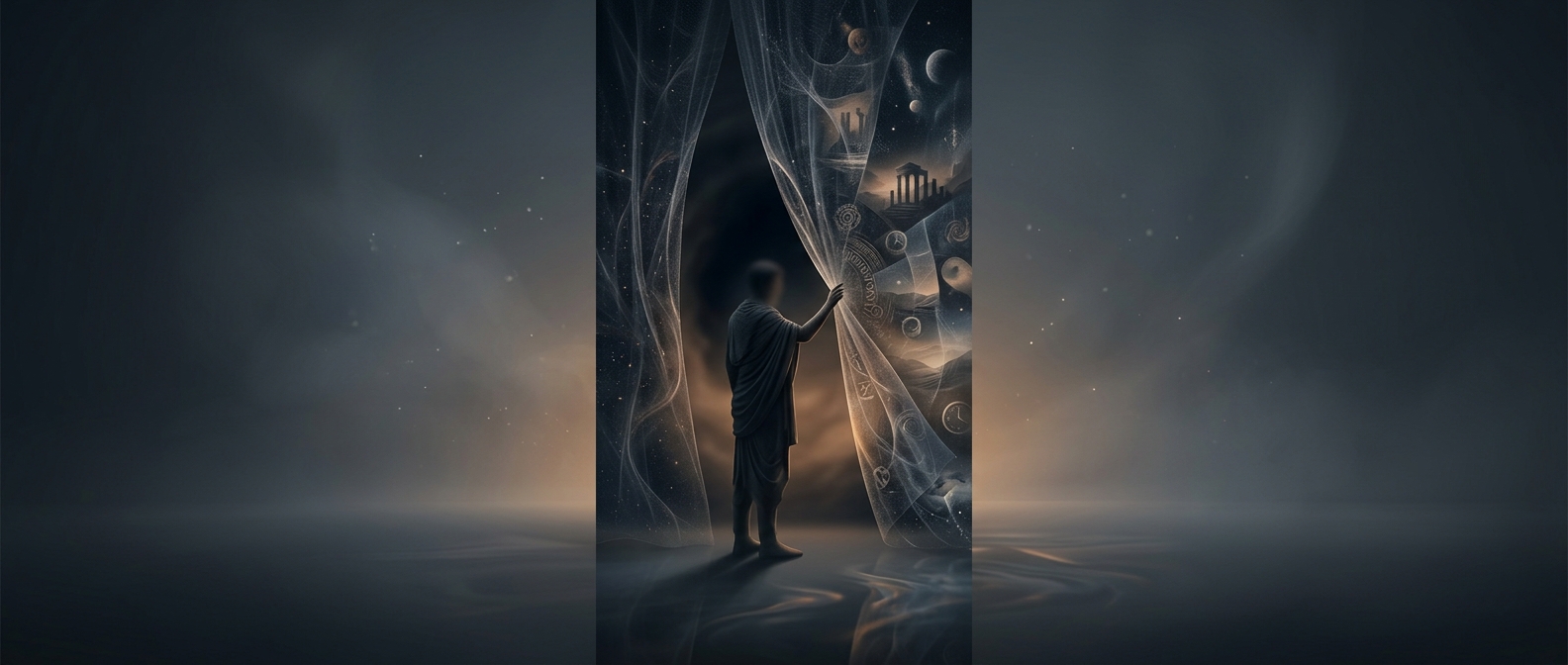
In the reality-shift interpretation, the smallness of the change is part of its appeal. The world remains recognizable, while a minor feature hints that something fundamental may have happened beneath the surface. A logo becomes a personal marker: a detail someone feels certain they carried from an earlier version of reality.
The Meaning of the Mismatch
The belief gives uncertainty a striking story. Instead of treating a confusing memory as an isolated puzzle, it places that memory in a shared account of altered realities. Whether a person sees the mismatch as proof, possibility, or simply an intriguing question, the detail matters because it connects private childhood memory to a version of the past others say they remember too.