How public signals become personal evidence
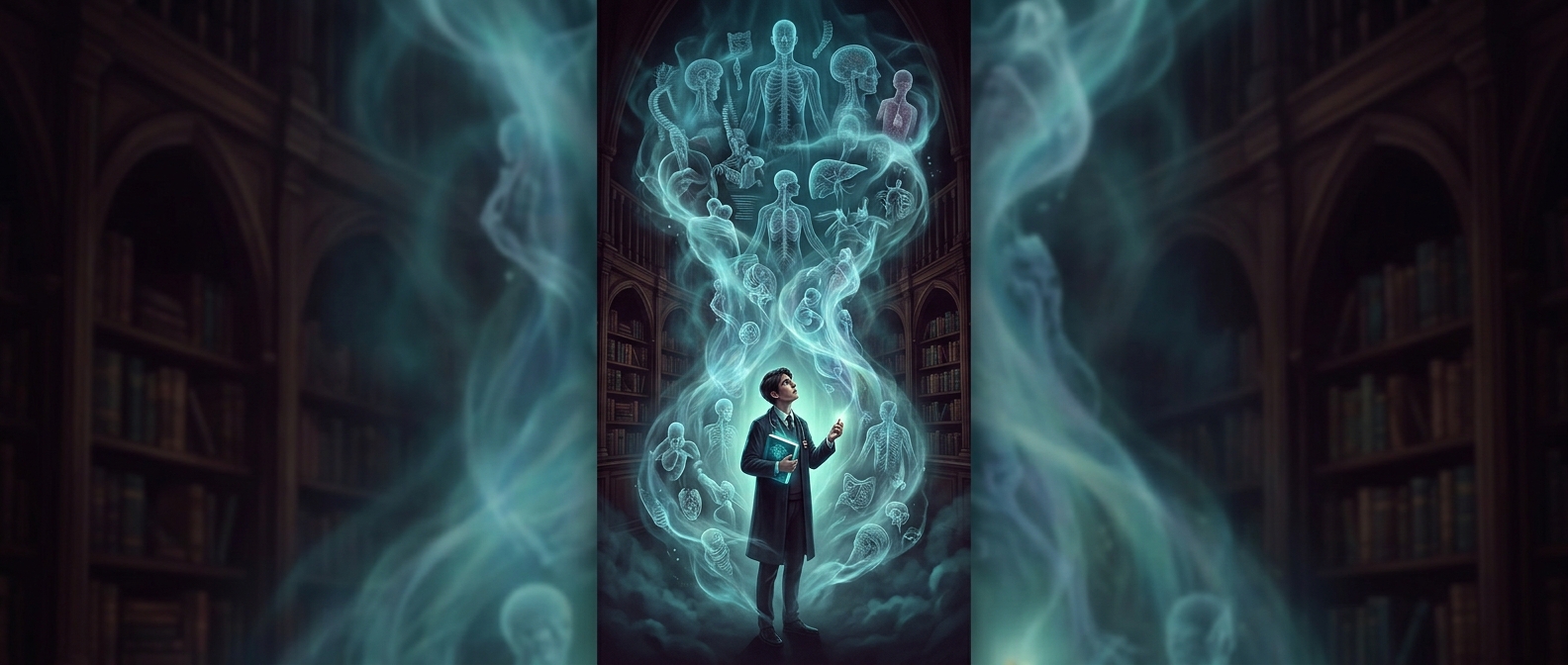
A celebrity’s work is designed to reach a huge audience, but an intense belief in a secret romance can make that audience-wide communication feel privately directed. A lyric about longing, a social-media post, or a look in a video may seem to fit the person’s own life. Once that interpretation takes hold, ambiguous details can begin to reinforce one another: the post explains the lyric, and the lyric makes a later coincidence feel significant.
This resembles confirmation bias—the ordinary tendency to notice evidence that supports an existing idea more readily than evidence against it. The difference is not simply that someone reads too much into a song. In a delusion, the conclusion can become fixed and deeply convincing, even when there is no direct relationship and other explanations are available.
Why the belief can be hard to dislodge
The belief can organize scattered events into a coherent story, giving uncertainty a clear explanation. Contradictions may then be reinterpreted as part of the secrecy: silence becomes caution, for example, rather than evidence that no private message was intended. That makes a straightforward correction unlikely to change the person’s mind—and blunt ridicule can leave them feeling isolated rather than help them reconsider.
Clinicians use the term erotomanic delusion for a persistent belief that another person, often someone prominent or difficult to reach, is in love with the believer. The label describes a pattern of belief; it does not establish a diagnosis from a single comment or a person’s fandom. Concern rises when the idea is unshakeable, causes distress, or drives attempts to contact or approach the celebrity. In that situation, compassionate support and professional assessment matter more than arguing over what a particular post “really meant.”