The encore has to work like part of the show
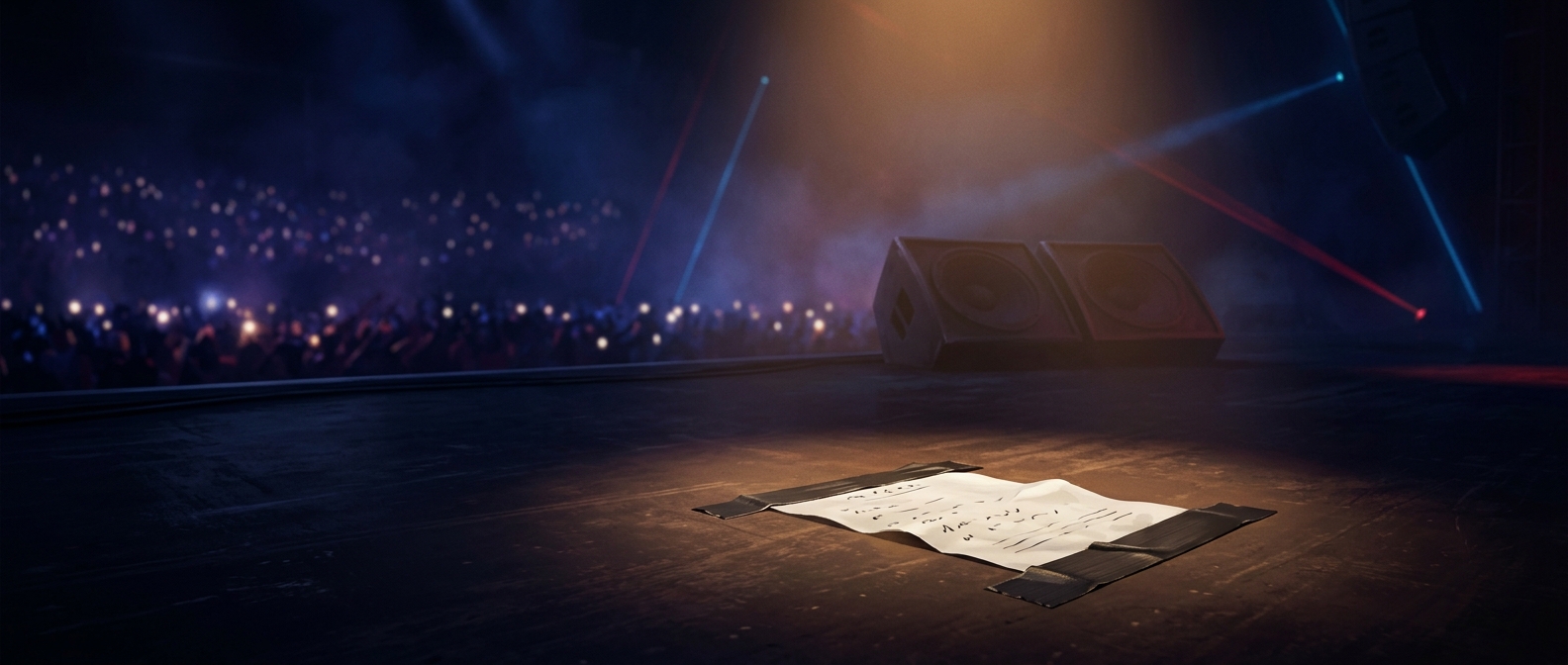
A concert’s apparent ending is often a carefully managed transition, not a decision made from scratch after the crowd starts calling for more. The performers and crew need to know what happens if the band leaves the stage: which song comes next, how the musicians get back into position, and how lighting and sound shift from the final set piece to the return.
Planning that sequence makes the pause useful rather than awkward. It gives the performers a moment to recover while the audience’s anticipation builds, and lets the crew prepare the next cue. A familiar, high-energy song is a natural choice because it can turn that anticipation into a strong finish.
A planned return can still feel spontaneous
The audience’s calls and applause supply the emotional shape of an encore, even when the music is already chosen. The gap invites people to wonder whether the band will come back; the return answers that question in public, as part of the performance. The surprise is less about whether the song exists than about the shared moment before it begins.
That arrangement also gives a concert a dependable ending. Rather than risk finishing on a quiet or abrupt note, performers can reserve a crowd-pleaser for the final stretch—and make the apparent goodbye part of the build toward it.