A battlefield hidden beneath the fields
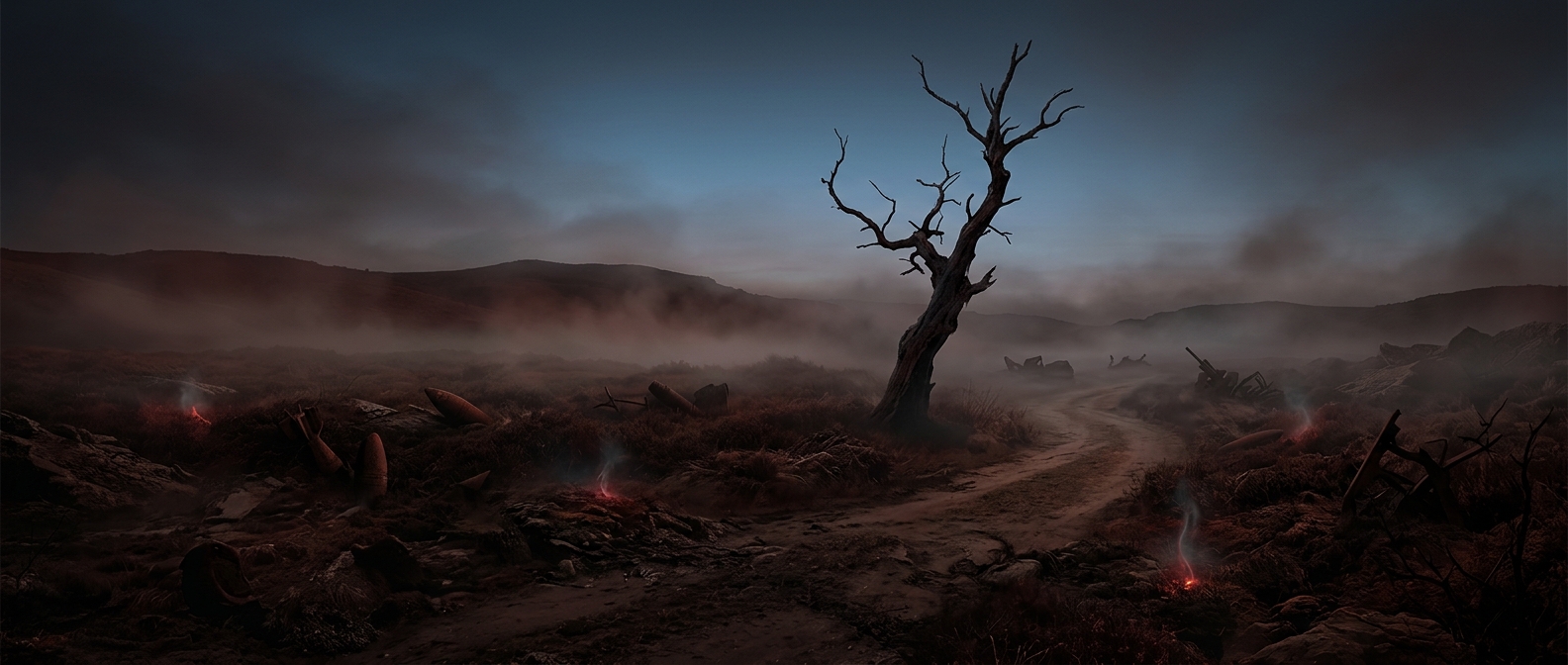
The Zone Rouge—“Red Zone”—is not a single fenced-off ruin but a name for parts of northeastern France so devastated in World War I that they could not safely return to ordinary use after the fighting. Shells had churned the ground, and immense quantities of ammunition were left behind. In some restricted areas, the danger is still underground rather than visible in the landscape.
Why clearing it is so slow
An unexploded shell can remain lethal long after its casing has corroded and its original shape has become hard to recognize. Finding one is only the first step: specialists must identify what it contains and remove or destroy it without setting it off. Chemical munitions add another hazard because damaged casings can release poisonous agents. Metals left by ammunition can also persist in the soil, even after explosives have been cleared.
This is not a matter of sweeping a field with a detector and declaring it safe. Munitions are scattered through soil and vegetation, and each item may require careful handling. Clearing a site also does not automatically make contaminated ground suitable for homes, farming, or public access. The work therefore proceeds cautiously, with safety taking priority over speed.
A landscape shaped by what remains
The long timescale matters to travelers because a quiet stretch of woodland or countryside can conceal a hazardous wartime layer. Restrictions protect people from risks they cannot reliably judge by sight. The Zone Rouge’s most striking feature is that the war’s physical aftermath can outlast the trenches and buildings: a field may look reclaimed while the ground beneath it still demands specialist care.