How a planetary hour is calculated
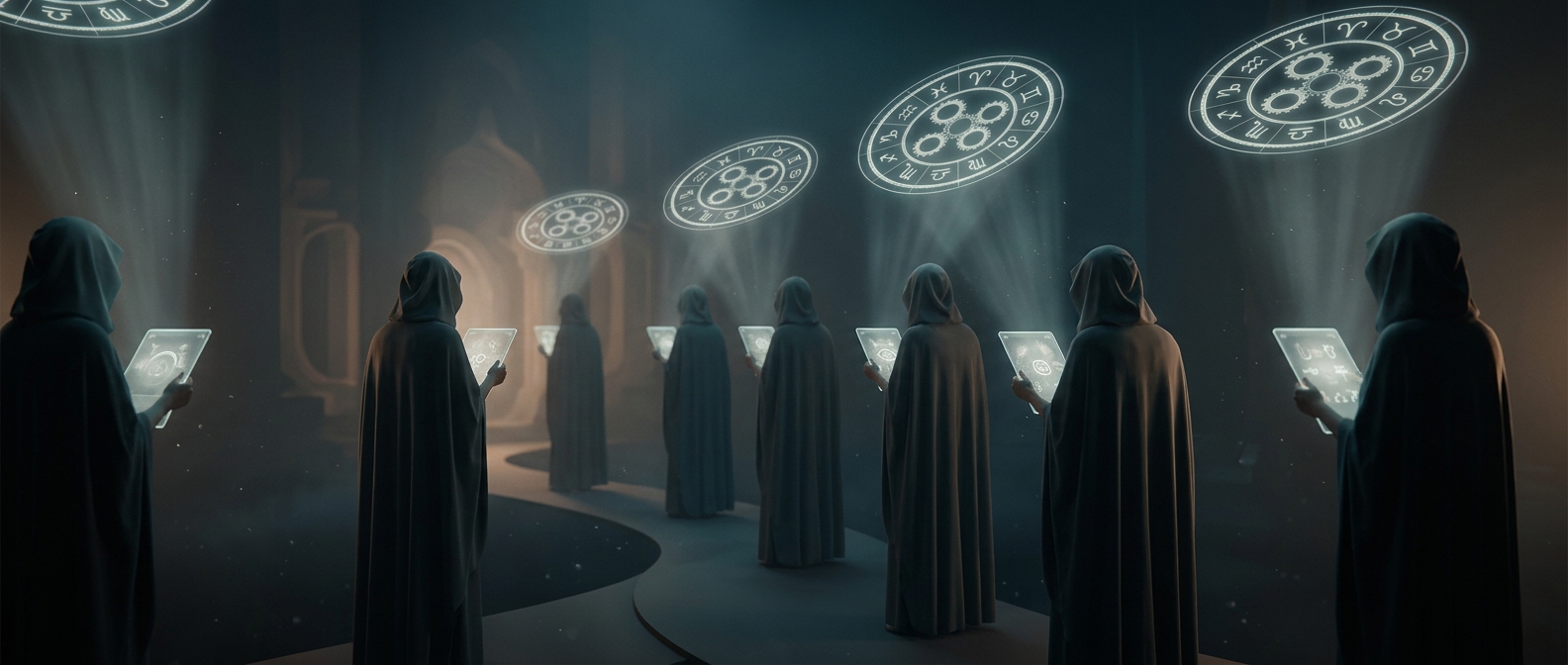
In traditional astrology, a “planetary hour” is not a fixed 60-minute slot. The period from sunrise to sunset is divided into 12 equal parts, and the night—from sunset to the next sunrise—is divided into 12 more. Because daylight changes length through the year, these hours expand in summer and contract in winter; their duration also depends on location and the day’s sunrise and sunset.
Each hour is assigned a planet in a repeating sequence known as the Chaldean order: Saturn, Jupiter, Mars, the Sun, Venus, Mercury, and the Moon. The sequence continues across the day and night. The planet assigned to the first hour after sunrise also gives the weekday its traditional planetary association—for example, the Sun begins Sunday’s sequence, while the Moon begins Monday’s.
What the timing is meant to do
Astrological traditions associate each planet with qualities or kinds of activity. Practitioners may therefore choose an hour whose planetary symbolism seems to suit an intention: a task associated with communication might be timed to Mercury, for instance. Ordinary acts such as drinking coffee can become part of this practice, not because the drink changes, but because choosing a moment gives the act an astrological frame.
The same clock time can belong to different planetary hours on different dates, and a planetary hour’s ruler changes as the sequence advances. So practitioners generally need a chart or calculation based on local sunrise and sunset rather than a universal timetable. The system offers a way to organize action around symbolic cycles; it does not establish a scientifically verified ideal time to wake or drink coffee.