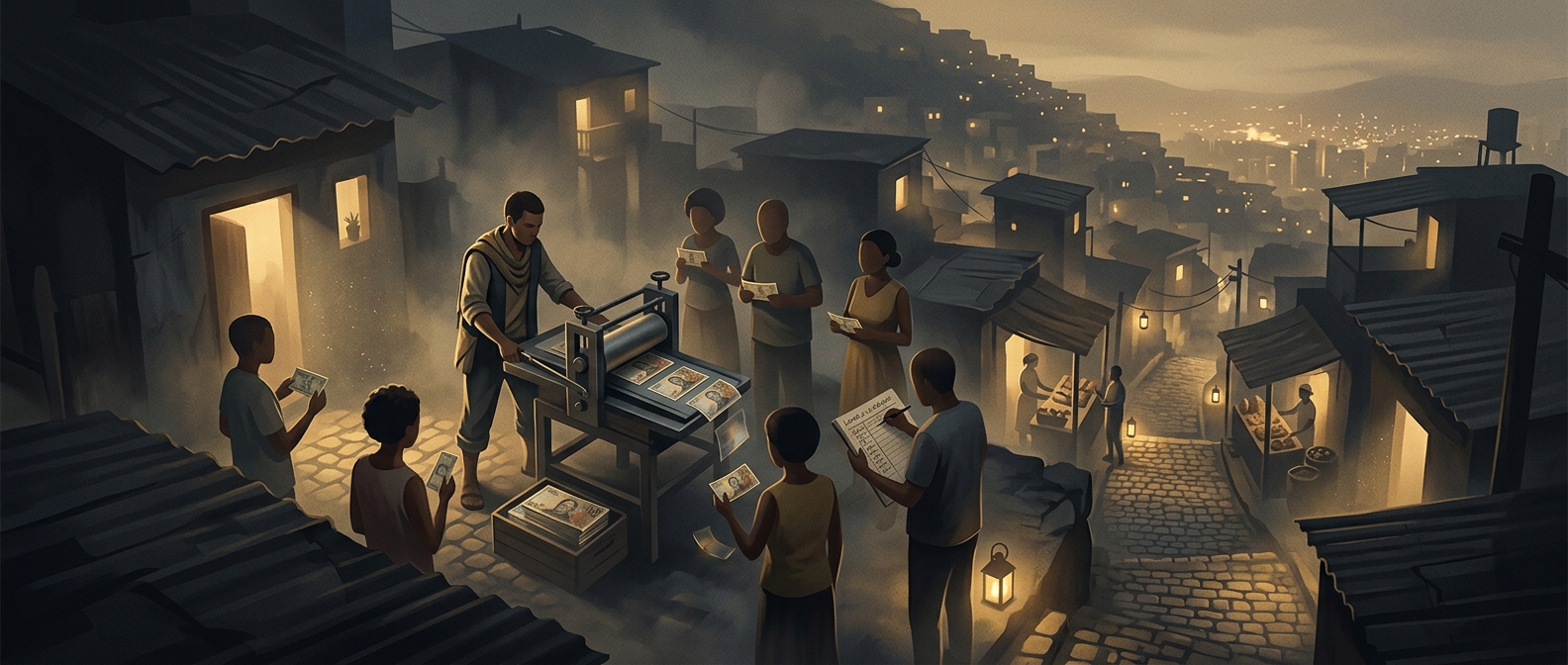
How easy credit became a debt trap
Microloans are small loans intended for people who may not qualify for conventional bank credit. Their small size can make them seem manageable, but borrowers still have to repay principal—the amount borrowed—plus interest and fees, often on a tight schedule.
The danger grows when lenders assess each loan in isolation. A borrower who already owes one lender may still receive another loan elsewhere. Each new payment then competes with household essentials and earlier repayments. If a borrower takes yet another loan to meet an existing installment, the debt can keep expanding even as the money available for daily needs shrinks.
Growth looked good on paper
For lenders seeking rapid expansion, issuing more loans could make the business appear larger and more valuable to investors. A growing loan portfolio—the total amount lent and still outstanding—can signal strong growth, even when some customers are carrying more debt than they can safely repay. The number of loans is not the same as borrowers’ ability to pay them back.
That incentive creates a dangerous mismatch: the lender may benefit from booking new business immediately, while the strain of repayment falls on borrowers over time. When repayment faltered, some lenders used harsh collection tactics, intensifying pressure on people already in financial distress.
When repayment pressure reaches home
A missed installment can mean more than a bookkeeping problem. It may leave a household choosing which obligation to postpone, borrowing again to stay current, or going without basic needs. In the crisis described here, failed repayments and coercive collection practices formed part of a devastating wave of borrower suicides. The broader lesson is that small loans are not automatically safe: responsible lending depends on considering a person’s existing debts, not just the size of the next loan.