A museum visit becomes a test of your cover
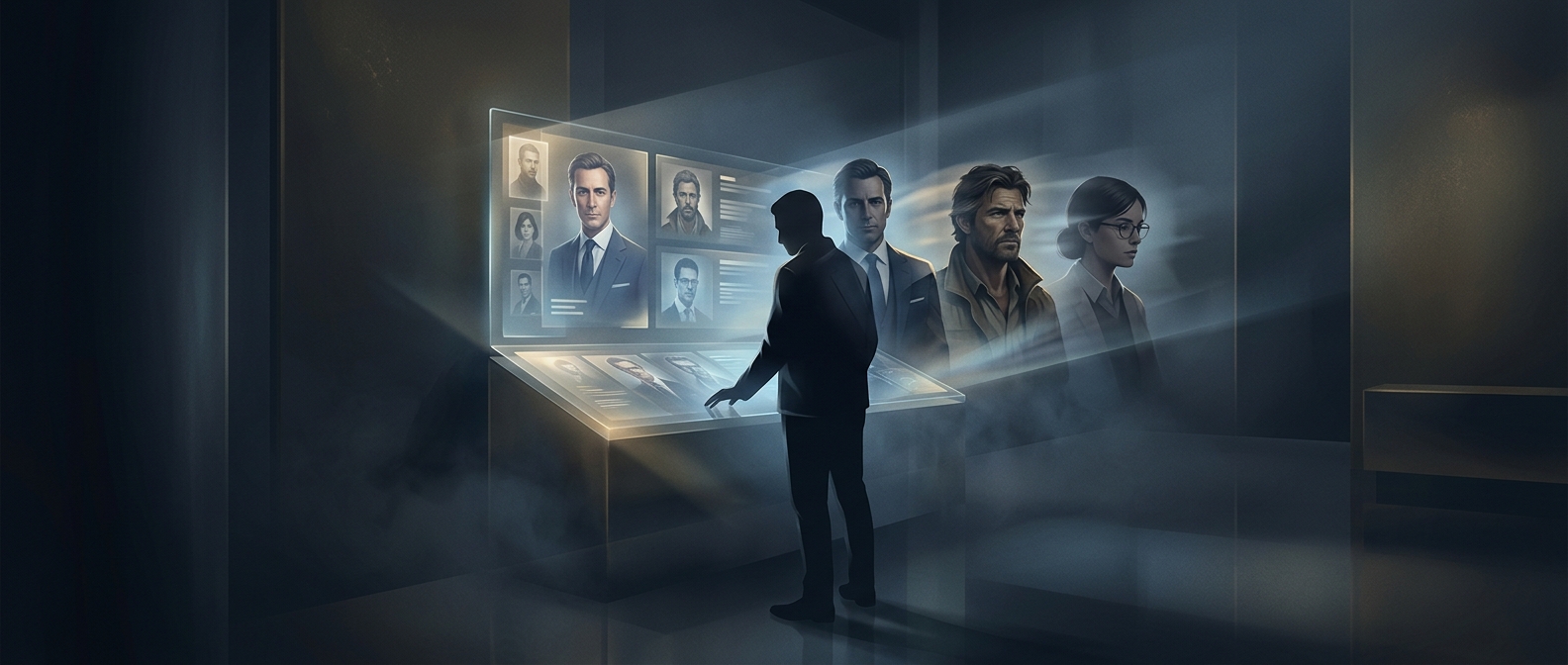
At this spy-themed attraction, the visit begins with a small act of make-believe: each guest is assigned a fictional identity and a backstory to remember. The detail matters because the experience is built around a spy’s practical problem—not just collecting secrets, but behaving naturally while keeping a story straight.
A cover story is a prepared explanation of who you are and why you are somewhere. In the museum’s scenario, guards may question visitors or check whether their answers fit the identity they were given. Guests have to recall their fictional background under pressure, much as a performer must stay in character when a scene takes an unexpected turn.
Why remembering the details is the challenge
A convincing cover depends on consistency. If someone forgets a basic detail or gives an answer that clashes with the story, the disguise becomes less believable. That makes memory part of the activity: visitors are not only shown the idea of espionage, but asked to experience how easily a carefully planned identity can unravel in conversation.
The stakes are playful rather than real, but the awkward pause before answering is the point. By the time a guard asks a question, an ordinary museum visit has turned into a live test of whether you can keep your invented self intact.