The difference between bad art and a joke
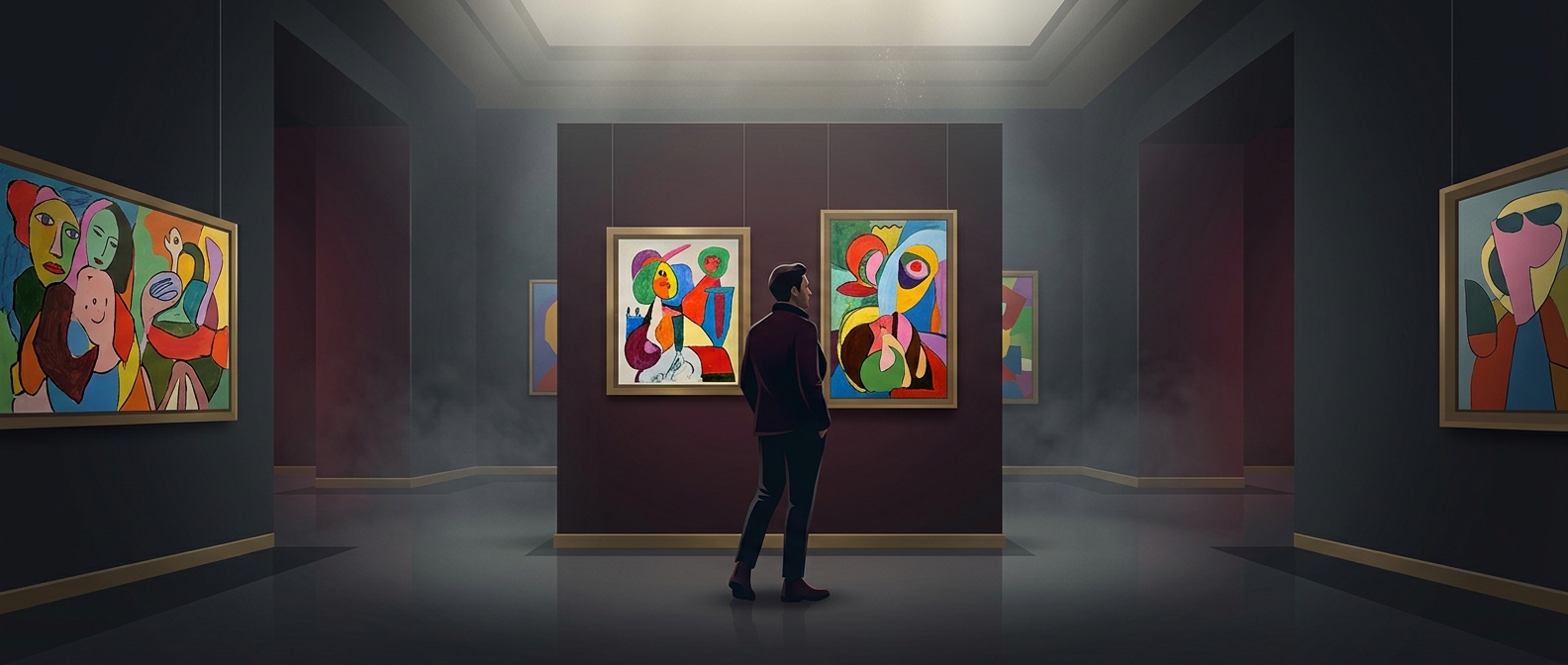
A deliberately ridiculous painting already knows how it wants to be read: the audience is in on the joke. The Museum of Bad Art looks for something different—work made in earnest whose awkward choices, odd proportions, or unexpected details create an effect its maker apparently did not intend. That distinction turns collecting into a kind of close looking. A piece cannot qualify just because it is crude; its peculiarities have to make it memorable.
Thrift-store finds become cultural clues
Sourcing work from thrift stores and dumpsters gives the collection a different story from one built around celebrated artists. These pictures were not necessarily made for galleries or preserved as important heirlooms. They passed through ordinary homes and resale channels, where someone decided to let them go—and where a collector could notice what others might discard.
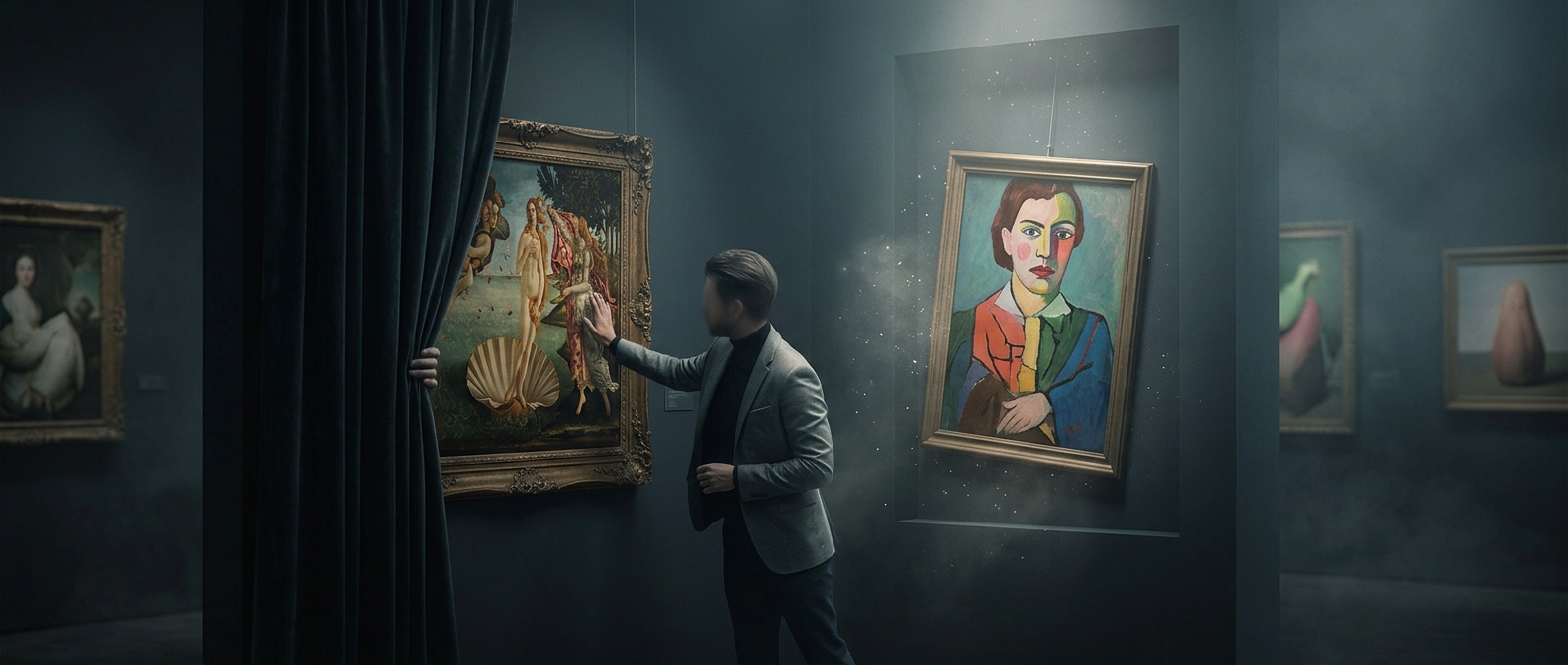
That everyday route is part of the appeal. A strange portrait or landscape can prompt questions about what the artist meant to achieve, what went unexpectedly wrong, and why the result still holds the eye. The museum asks visitors to look closely rather than dismiss the work at first glance. In Massachusetts, a discarded painting can thus get an unlikely second life: not as a masterpiece, but as a singular example of how sincere intention and visual effect can diverge.