How sperm production keeps going
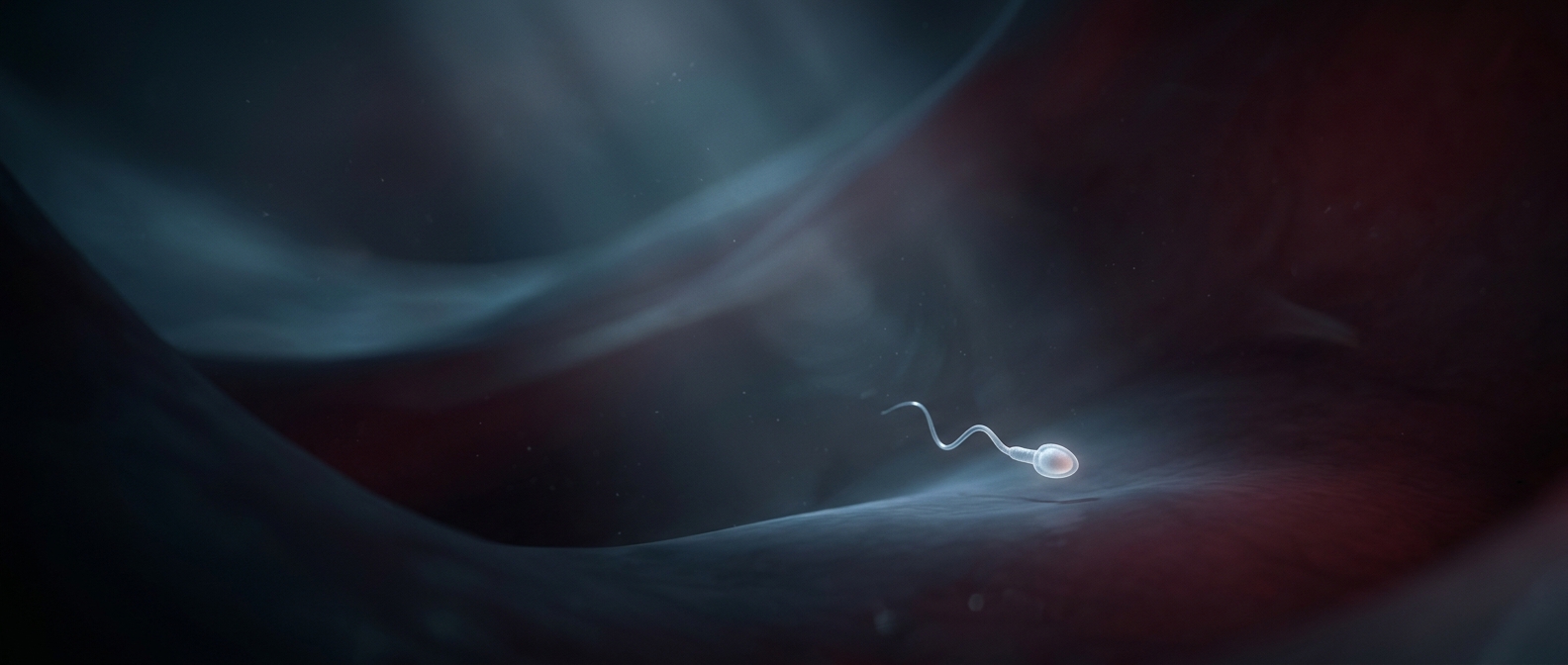
Sperm are made inside tightly coiled tubes in the testes called seminiferous tubules. There, developing cells divide and change shape, gradually forming sperm with a head that carries genetic material and a tail that helps propel it. The process is called spermatogenesis. It takes weeks, not hours, so the sperm released at any moment began developing well before that ejaculation.
Production is supported by hormones, including testosterone, and continues in overlapping cycles after puberty. That overlap is why the testes can keep supplying new sperm rather than waiting for one batch to finish before starting another.
Made in the testes, finished elsewhere
Newly formed sperm are not immediately ready to swim effectively. They move into the epididymis, a long, coiled tube behind each testis, where they mature and are stored. During ejaculation, muscular contractions move sperm through the reproductive tract, where fluids from glands join them to form semen. Semen is the vehicle; sperm are only one component of it.
This pipeline explains why sperm production is continuous but not instantaneous. The body is constantly developing new cells while others mature or are released. Ejaculation does not simply empty the testes, though the amount of sperm in a later ejaculation can vary with the time since the last one.
Why a large supply is not a guarantee
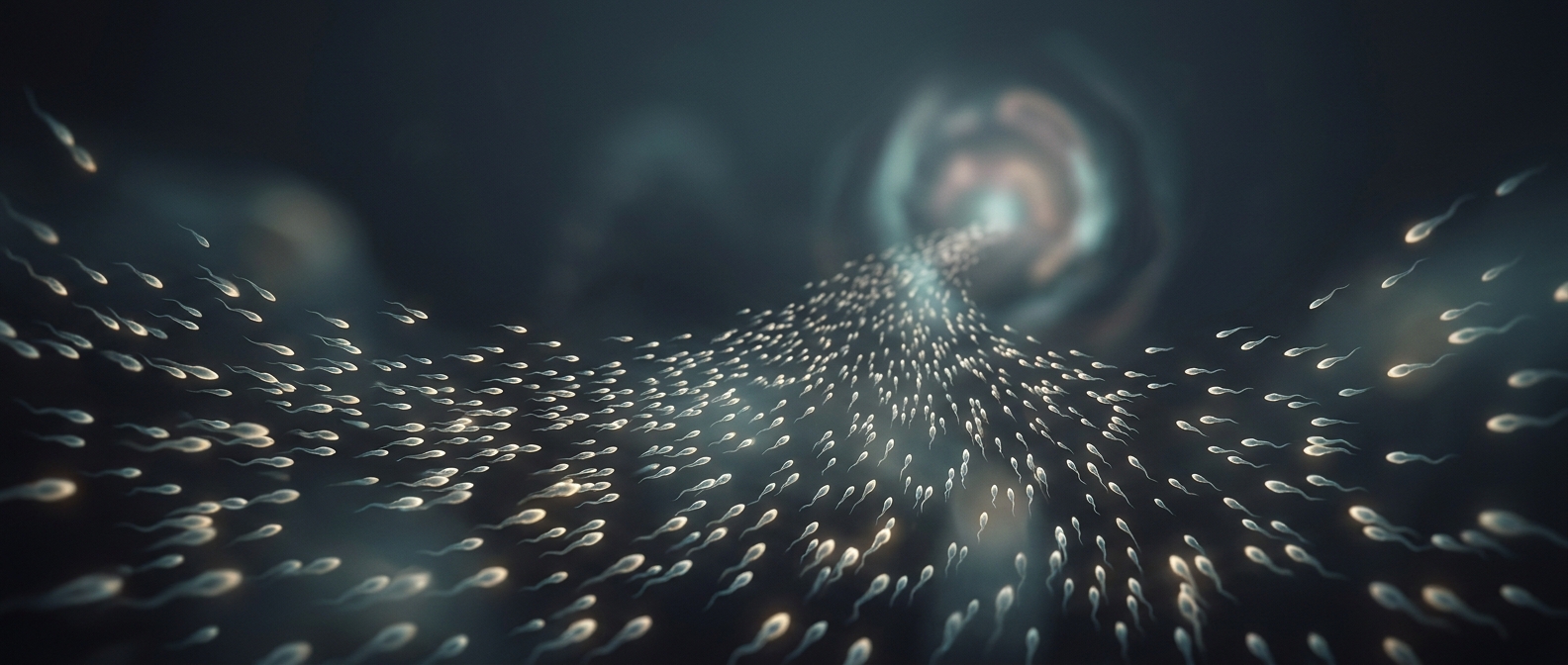
Reaching an egg requires more than having many sperm available. Sperm must be mature and able to move, then pass through the reproductive tract and encounter an egg during a limited window. Many never get far enough to approach it. The daily output is a supply, not a measure of the odds that any particular sperm will fertilize an egg.