How Eternal Darkness Made the Interface Part of the Horror
Most games teach players to trust the screen: menus report what is happening, and a save file is a record of progress. Eternal Darkness turned that trust into a vulnerability. When a character’s Sanity Meter fell, the game could stage apparent technical failures—making the player wonder whether the threat was inside the story or inside the game itself.
A Glitch With a Script Behind It
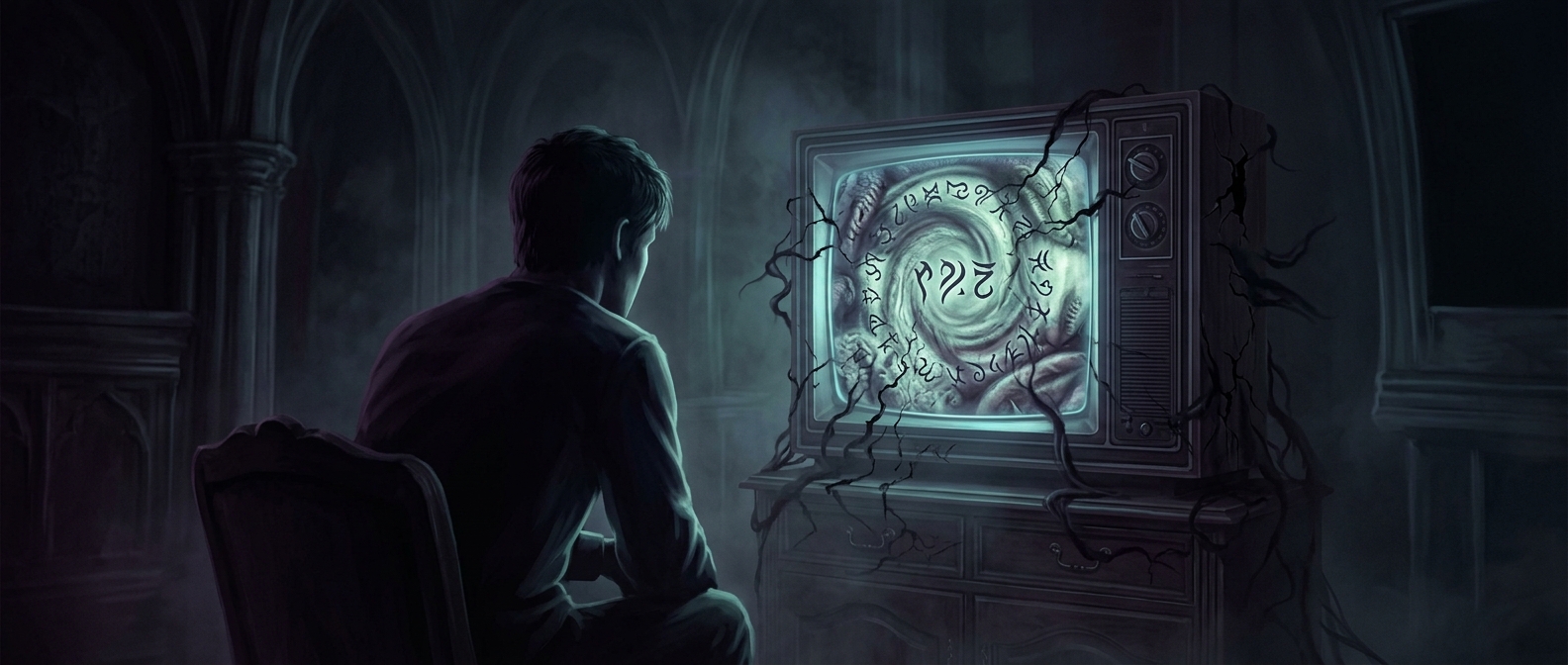
These effects were deliberate tricks, not evidence that the console had malfunctioned. The game could imitate a lost save, cut the television’s sound, or present a bogus blue screen, then carry on as a game. That distinction matters: the scare depended on looking credible for a moment, while remaining under the developers’ control.
The Sanity Meter gave the deception a cause within play. As it dwindled, unsettling events became part of the character’s deteriorating perception. Instead of limiting fear to what appeared in the fictional world, the game could tamper with the player’s confidence in the tools used to play it.
Why Faking a Failure Was So Effective
A monster on screen is easy to identify as a game event. A threatened save file is different: it points at the player’s own time and effort. Even a brief suggestion that progress is gone can provoke a stronger reaction than another creature in a hallway, because the player has to decide whether to believe the warning or wait for the trick to resolve.
Nintendo’s patent on this kind of simulated glitch reflects the idea’s unusual design problem: a game can borrow the visual language of a real malfunction without actually breaking the system. The result made ordinary interface elements—sound, menus, and error screens—available as horror props.