A recipe book alongside the prophecies
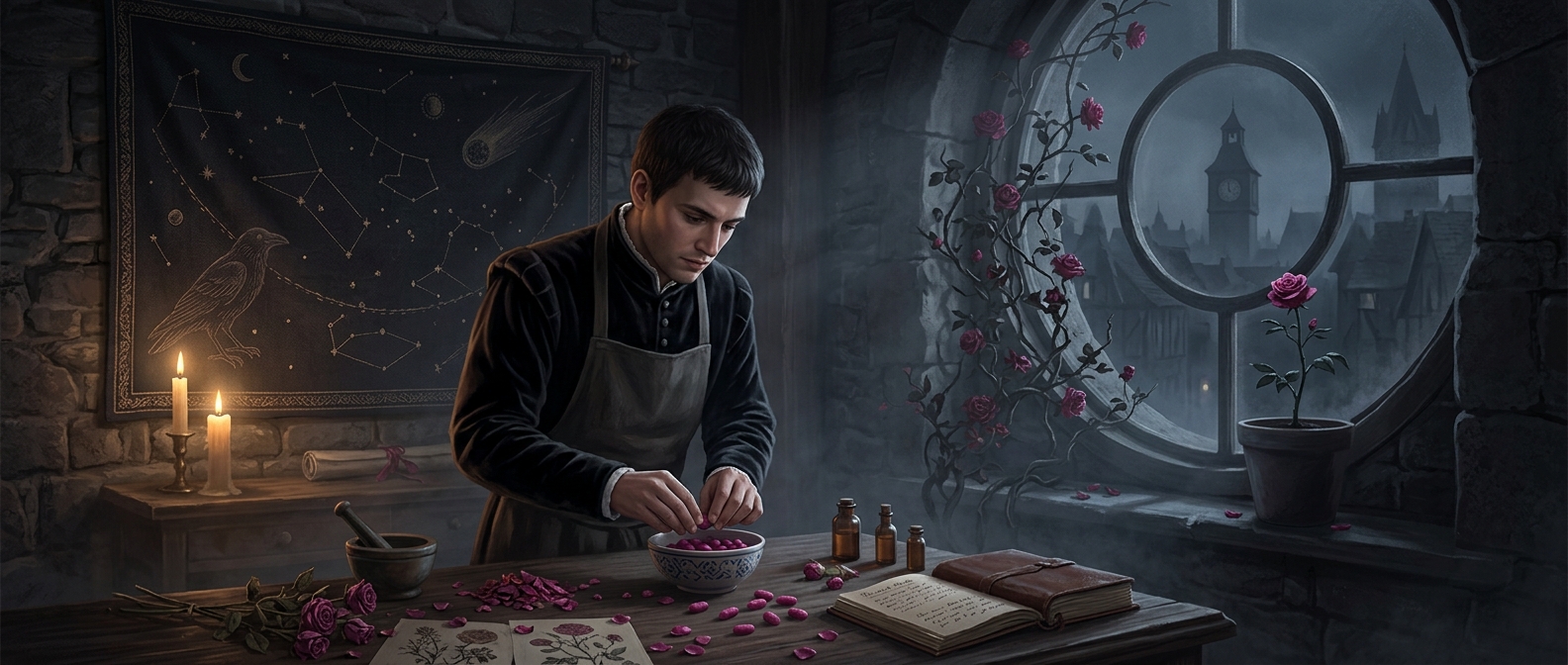
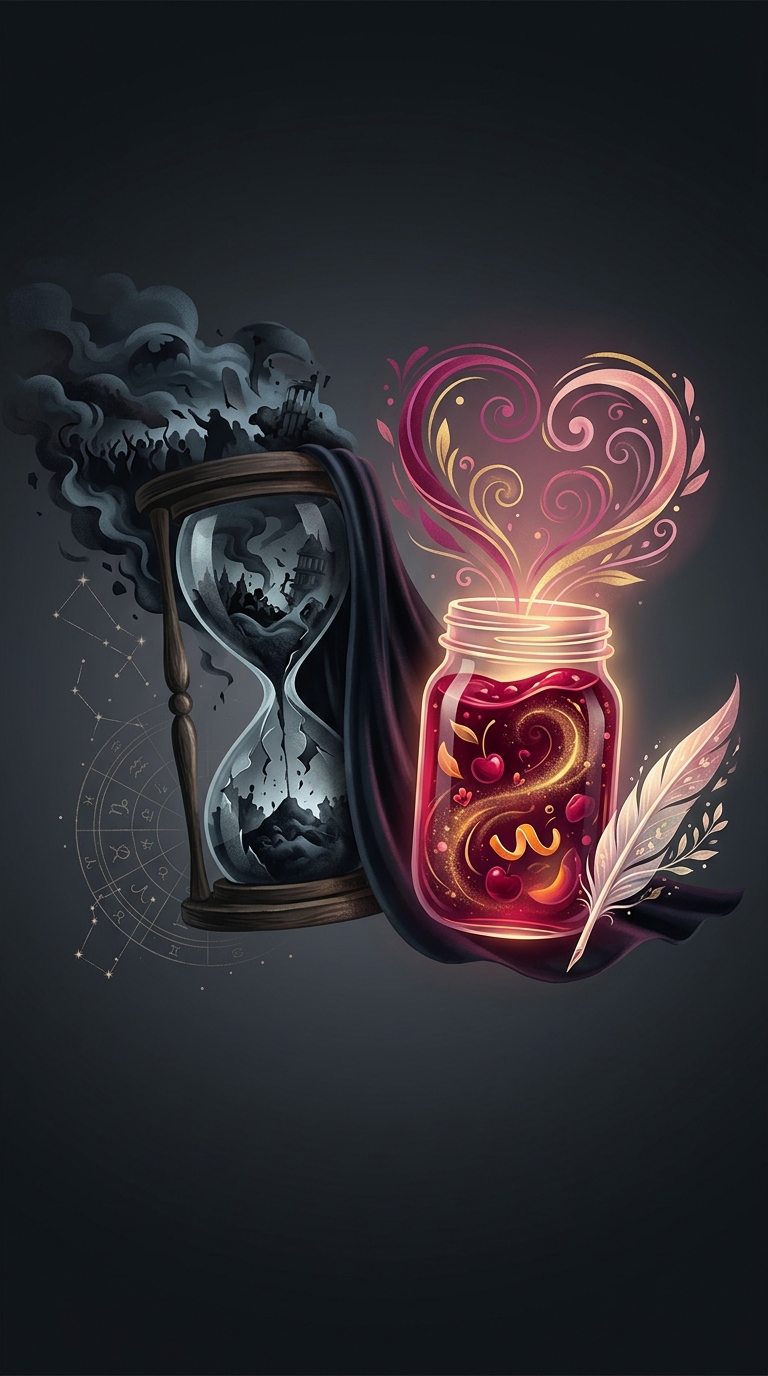
Nostradamus is usually remembered for cryptic verses, but he also wrote about making sweets and preserves. His collection of recipes included marzipan, candied orange peel, and cherry jam—and assigned some preparations effects beyond their flavor. He presented certain treats as capable of inspiring love, giving food a place in the same world of practical household knowledge and hidden influence that shaped much Renaissance writing.
Where cooking and remedies overlapped
In sixteenth-century Europe, a recipe did not always fit neatly into a modern category such as food, medicine, or cosmetics. Written instructions could describe how to prepare something and what people believed it might do. Sugar-preserved fruit, for example, was a way to keep seasonal ingredients; a writer might also attribute restorative or emotional powers to a preparation.
Calling a sweet a love potion reflects that belief, not evidence that it could alter someone’s feelings. The claim is best understood as part of the period’s mixture of culinary practice and ideas about influence, rather than as a reliable effect of the ingredients.
That contrast makes the cookbook a revealing counterpoint to Nostradamus’s public image: beside verses later readers treat as forecasts, he left instructions for ordinary pleasures—and claims that gave those pleasures a touch of magic.