A tuberculosis diagnosis in a pre-antibiotic era
In 1930s Key West, tuberculosis was a feared and often fatal disease. It attacks the lungs, and before effective antibiotics, doctors had few ways to stop it. Maria Elena Milagro de Hoyos was a young patient when she met Carl Tanzler, an X-ray technician at the hospital where she was treated. She died in 1931, at 22.
Tanzler later said he believed he had been destined to marry her. That belief helps explain his fixation, but it does not make what followed a medical treatment or a consensual relationship: de Hoyos was dead, and could not agree to anything he did.
Preserving a body could not stop decay
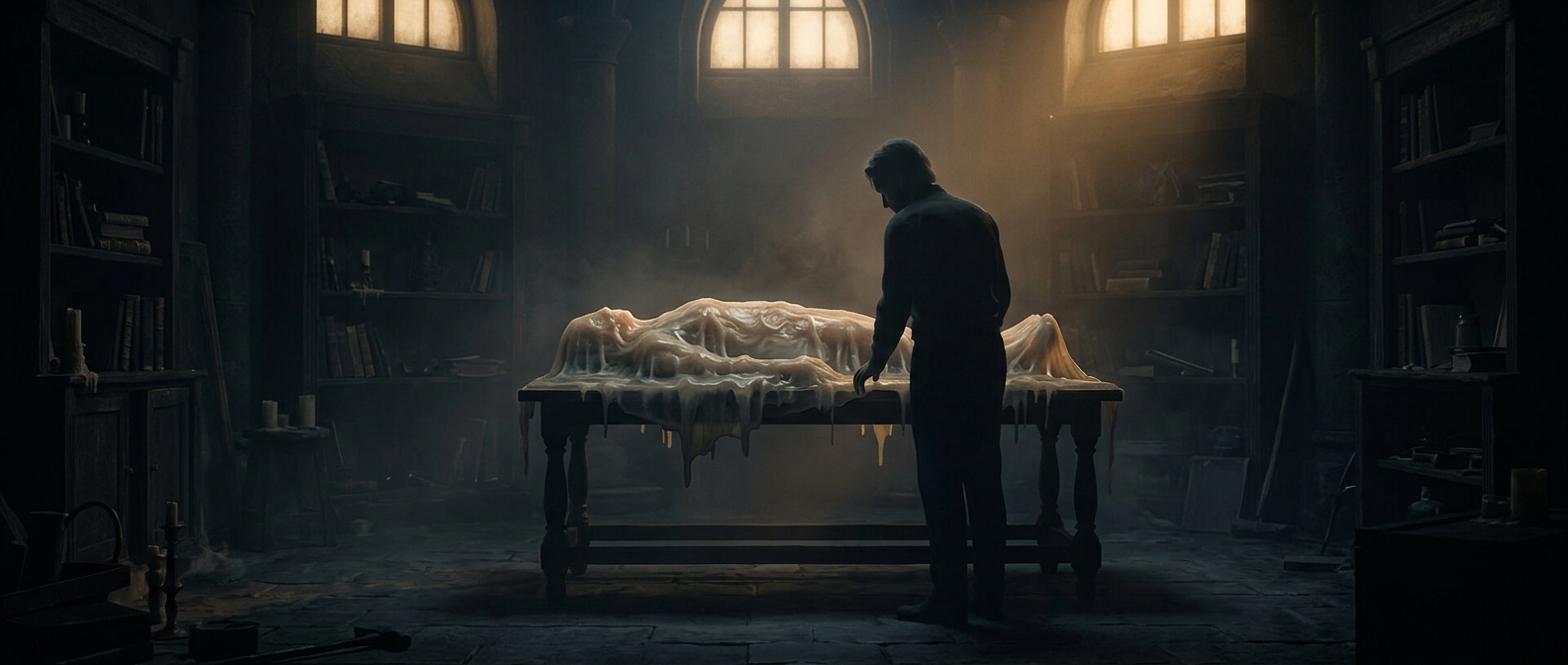
Tanzler initially kept de Hoyos’s remains in a mausoleum. After secretly removing them in 1933, he brought them to his home. He used wire to support the body, rags to replace deteriorated tissue, and a wax mask to restore the face’s appearance. These repairs could hold a shape together, but they could not reverse decomposition—the gradual breakdown of tissue after death.
The arrangement lasted only because it was hidden. Tanzler kept the remains beside him for years, and the household details that made this possible also made the case more than an episode of grave robbery: he had turned a private home into a place where he maintained a dead person’s body as though it could still serve as a living companion.
Discovery ended the illusion
In 1940, de Hoyos’s family learned what Tanzler had done, and authorities intervened. The case is remembered for its grotesque reconstruction, but its sharper lesson is about the limits of control: wax, wire, and cloth could imitate the outline of a person, not restore the life that made that person a partner, patient, or bride.