Why the rider sits at the front
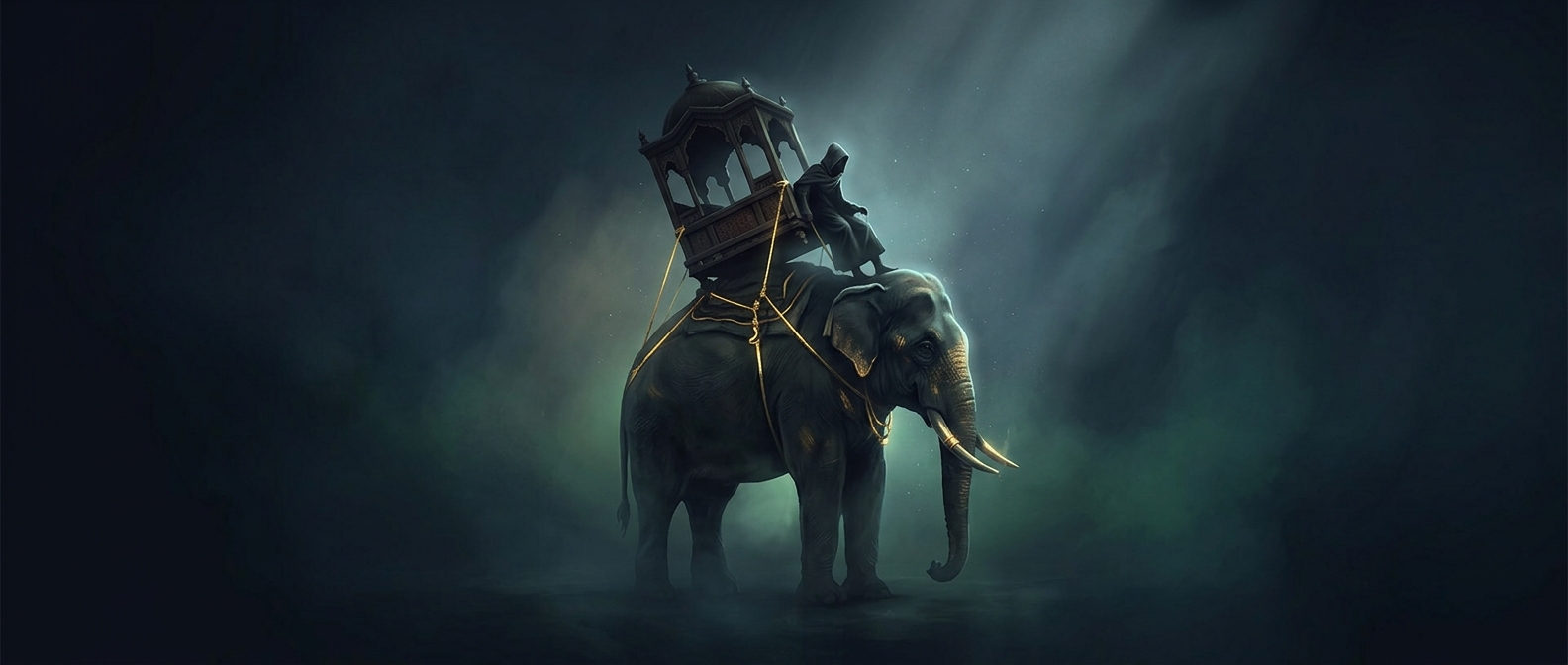
An elephant is not steered by turning a wheel or pulling reins. The rider—often called a mahout, a person trained to handle an elephant—needs to communicate through touch and pressure. From the neck, the rider can use a leg against the animal’s side and make small movements close to its head, where the elephant can also feel direct cues.
That position makes the rider’s body part of the signal. A shift in weight or a light touch can be more useful than a large movement, especially when the animal is already walking and its body is in motion.
The cost of staying close
An elephant’s steps move its broad body from side to side, so a rider near the front must continually adjust rather than sit as if on a stable platform. The neck’s motion can make the ride uncomfortable, but moving farther back would put the rider farther from the point where cues are delivered and received.
The tradeoff is practical: closeness can make communication more immediate, while demanding balance and coordination from the rider. The rider accepts the sway to keep each cue small and within reach. That is why this riding position is less about finding a comfortable seat than about staying connected to an animal whose movements are too large to steer with a simple pull.