The shape forms inside the intestine
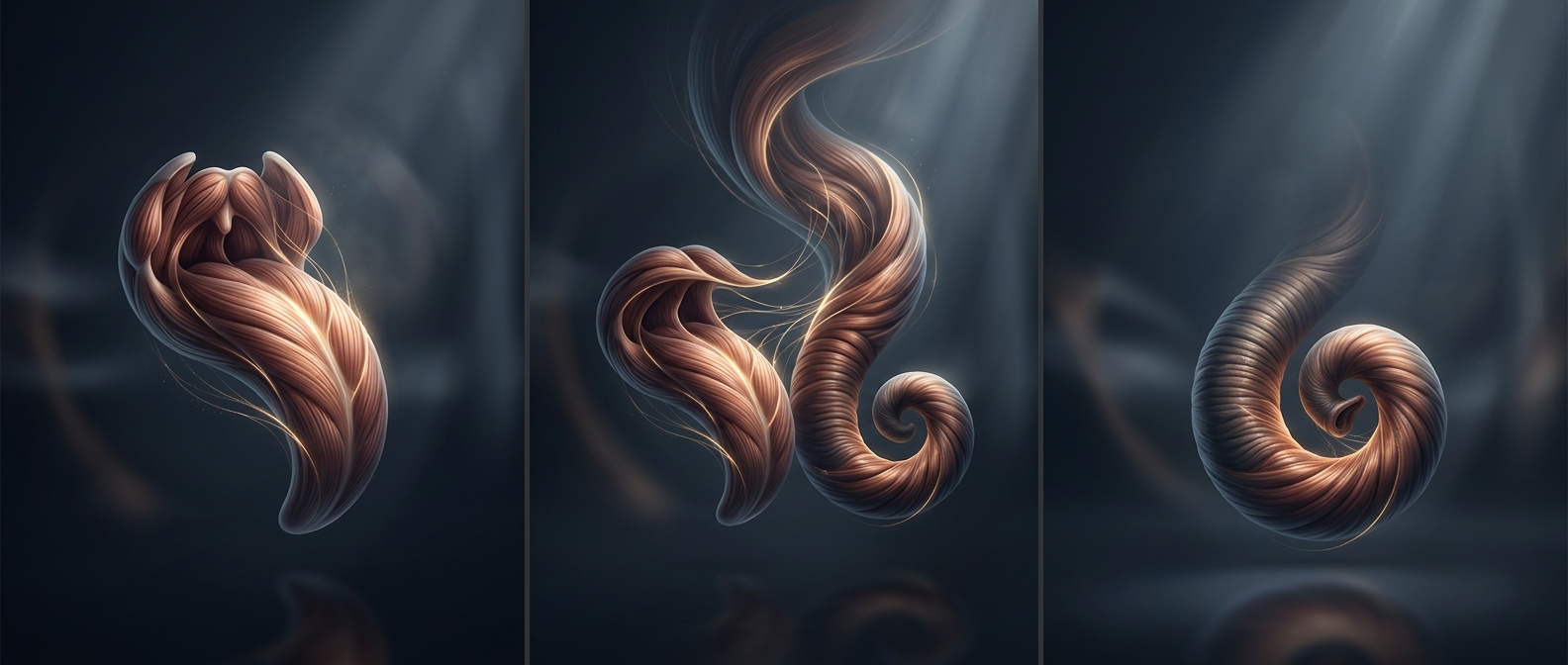
A wombat’s cubes are not pressed into shape at the exit. They take shape in the final part of the large intestine, where the gut’s walls squeeze and relax around waste as it moves along.
The key is that the intestine does not have one uniform stiffness. Some sections are more flexible than others. Their differing movements create uneven pressure on the material inside, gradually producing corners instead of a smooth, rounded pellet. By the time the waste is expelled, it is firm enough to keep that shape.
Drying helps the corners hold
Wombats absorb a great deal of water from their waste in the colon, leaving unusually dry, compact droppings. That dryness matters: a softer mass would deform after leaving the body, while firmer material can retain the shape made by the gut’s contractions.
So the cube is a product of two stages working together: uneven squeezing inside the intestine creates the shape, and drying helps preserve it.
A useful shape for marking territory
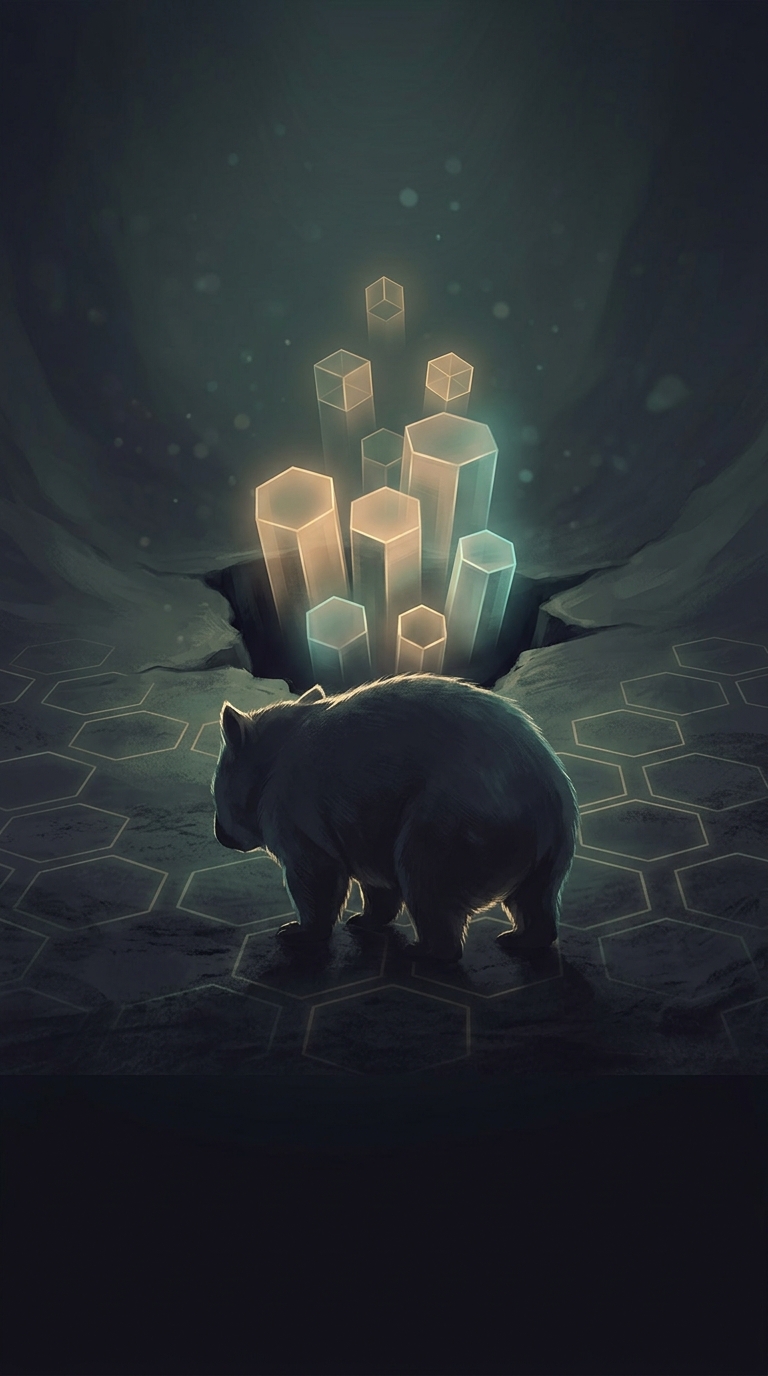
Wombats leave droppings as scent marks, often on prominent spots such as rocks or logs. A round pellet could roll away; a blocky one is more likely to stay where it is placed. The shape is therefore not just a digestive oddity—it helps keep a territorial signal in position.