A disease became a decision with consequences
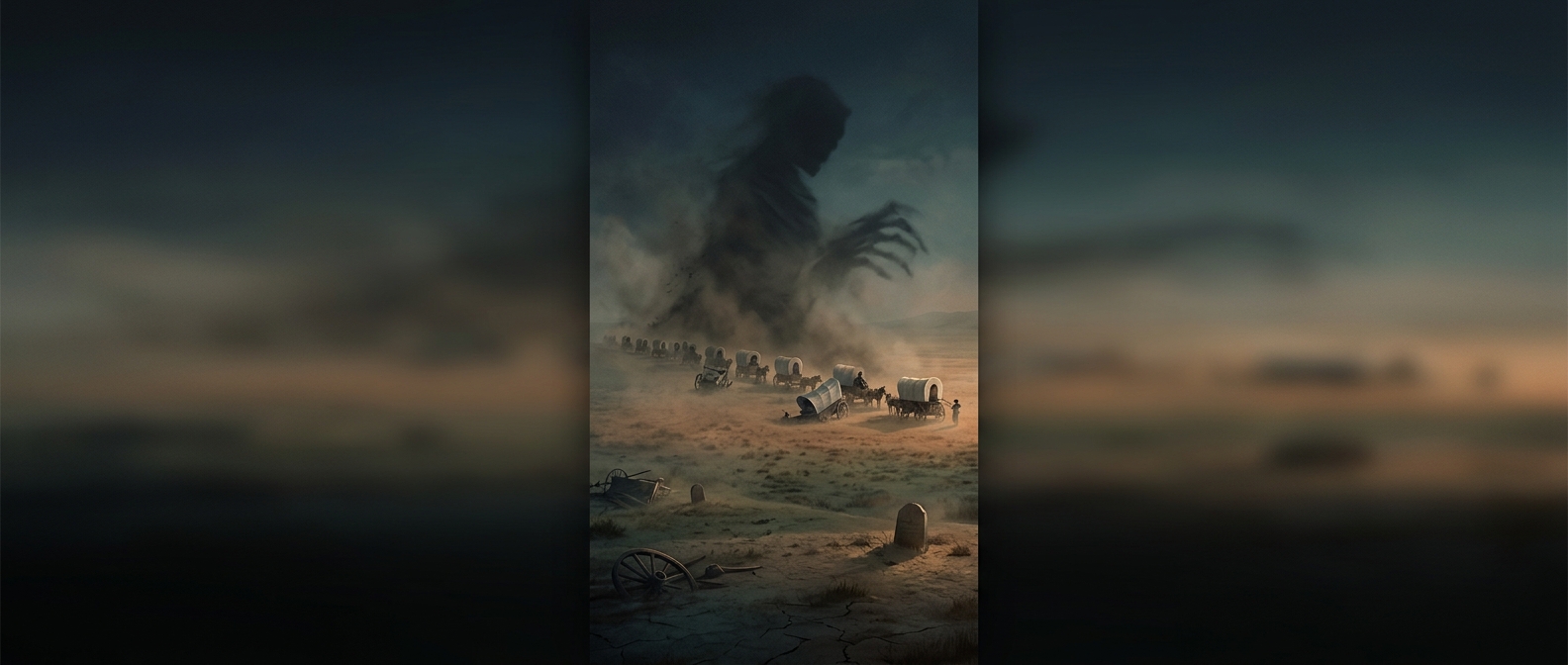
In The Oregon Trail, dysentery was not just a word in a history lesson. It appeared as a danger to the traveling party, turning illness into a possible loss of someone the player was trying to get west. Because players had to keep a group alive while managing scarce supplies and difficult travel, sickness became part of the same problem-solving loop as hunger, fatigue, and accidents.
Why the name stuck
Dysentery is an intestinal illness that can cause severe diarrhea. In a real journey, that could leave a person dangerously weak and dehydrated—especially when clean water, rest, and medical care were hard to obtain. The game compressed that complicated reality into a consequence players could grasp quickly: a disease could strike, and a traveler could die.
That simplification helped make the lesson memorable. A player did not need to master medical terminology to understand that disease was more than an unpleasant interruption; it could change who survived the trip. The possibility of losing a party member gave a clinical-sounding word emotional weight.
A simulation, not a medical textbook
The game could not reproduce the full causes, treatment, or course of disease. Its purpose was to make travel choices and hazards legible through play, not to model every detail of frontier medicine. But when a familiar name for illness was attached to a vulnerable person in the party, it connected an abstract historical danger to a concrete outcome: someone might not finish the journey.