When a fan campaign becomes a legal claim
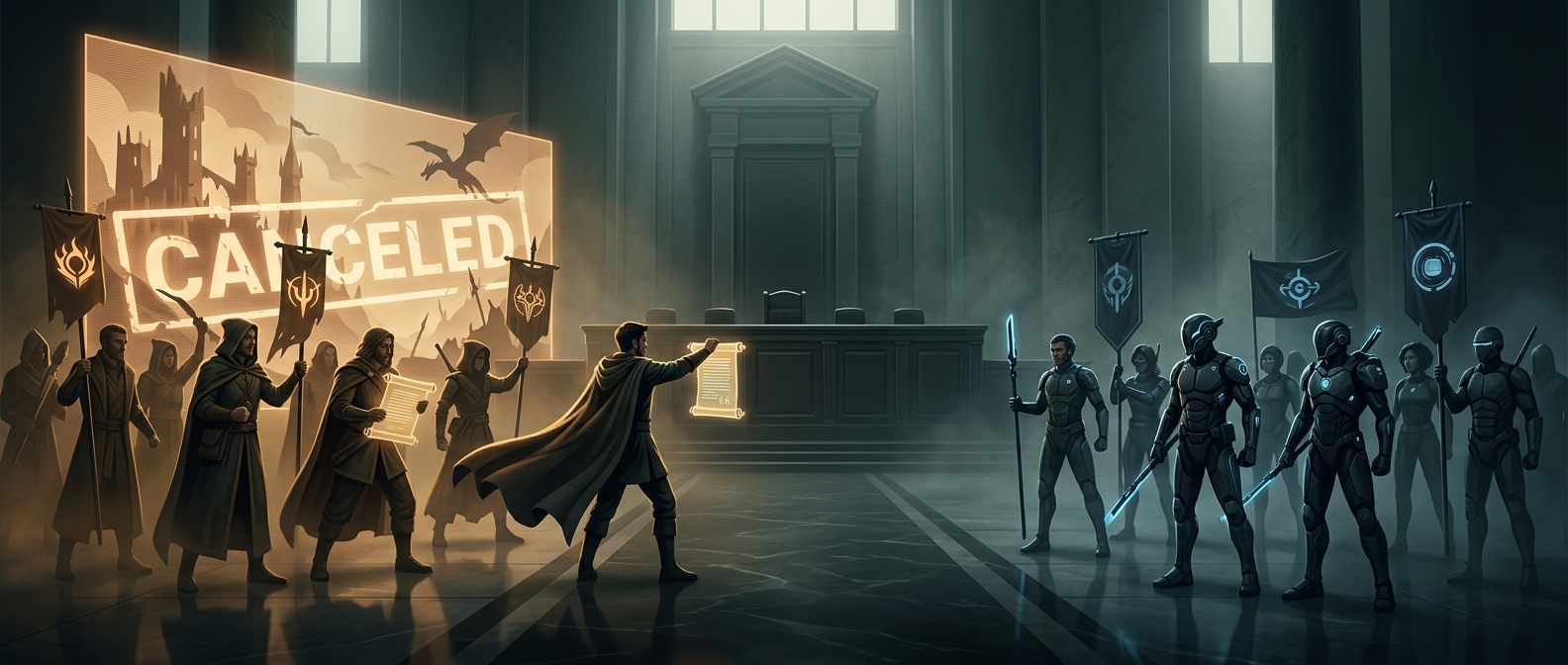
A canceled series can feel unfinished to viewers, but disappointment alone generally is not a legal claim. Courts decide disputes about enforceable rights and obligations; they do not ordinarily require a studio or network to keep telling a story because its audience wants more episodes.
That is why a campaign that reaches court has to be framed around something more concrete than attachment to the characters. The relevant question is whether someone had a legal right that was violated—for example, an alleged breach of a specific promise or agreement. The fight is less about whether a show deserves another season than about whether the people involved were legally entitled to one.
Why fans face a steep hurdle
The contracts that govern a production are usually between companies and the people who make or distribute the show. Fans who are not parties to those agreements generally cannot enforce them. A court also needs a claimant with a recognized stake in the dispute, not simply a person who cares deeply about its outcome.
Even when a case is filed, that does not mean a judge can—or will—order new episodes. A legal remedy must fit the underlying claim, and creative decisions such as renewing a series are not automatically obligations owed to viewers. The courthouse can test a specific alleged wrong; it cannot turn audience devotion into a right to a continuation.
That distinction explains the limits of a fan campaign: public pressure may persuade a company to reconsider, but a lawsuit needs a legal hook. Without one, the story can end in court just as firmly as it did on screen.