A Shortcut That Still Needs a View
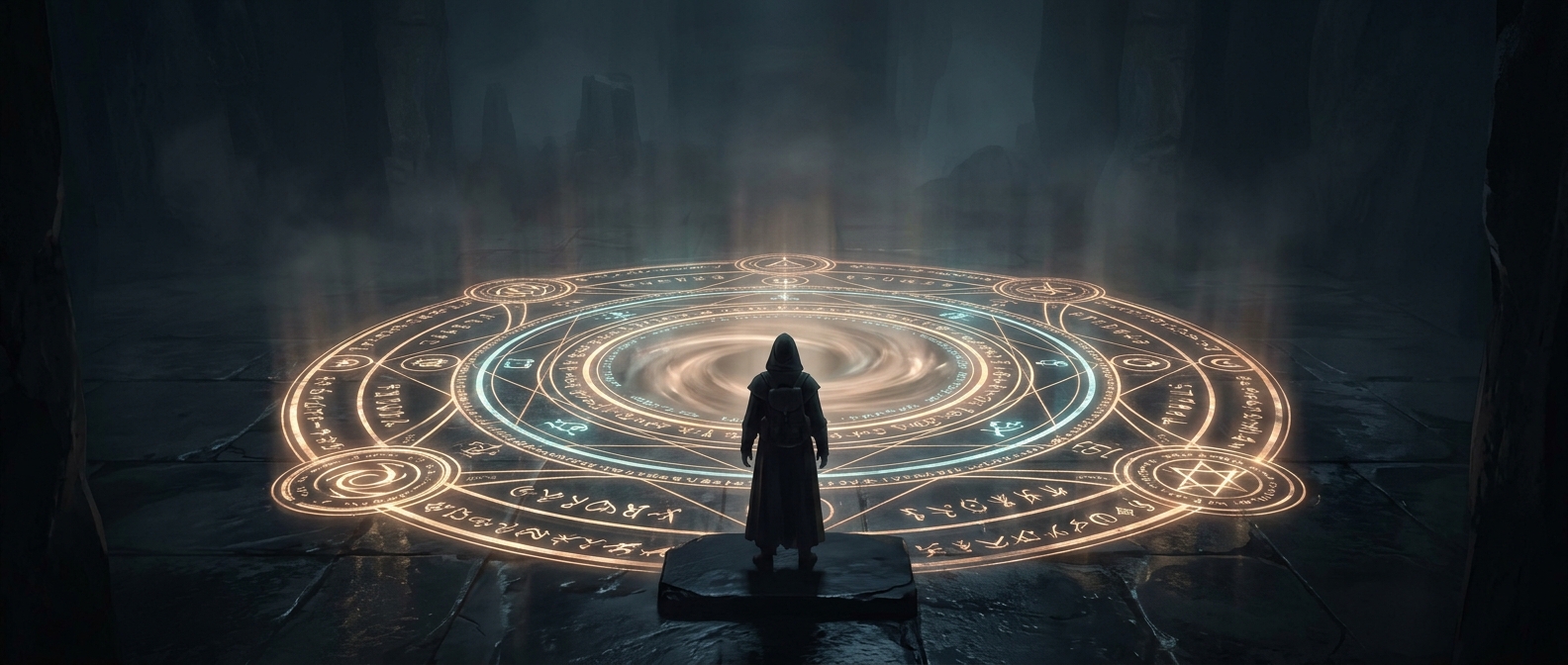
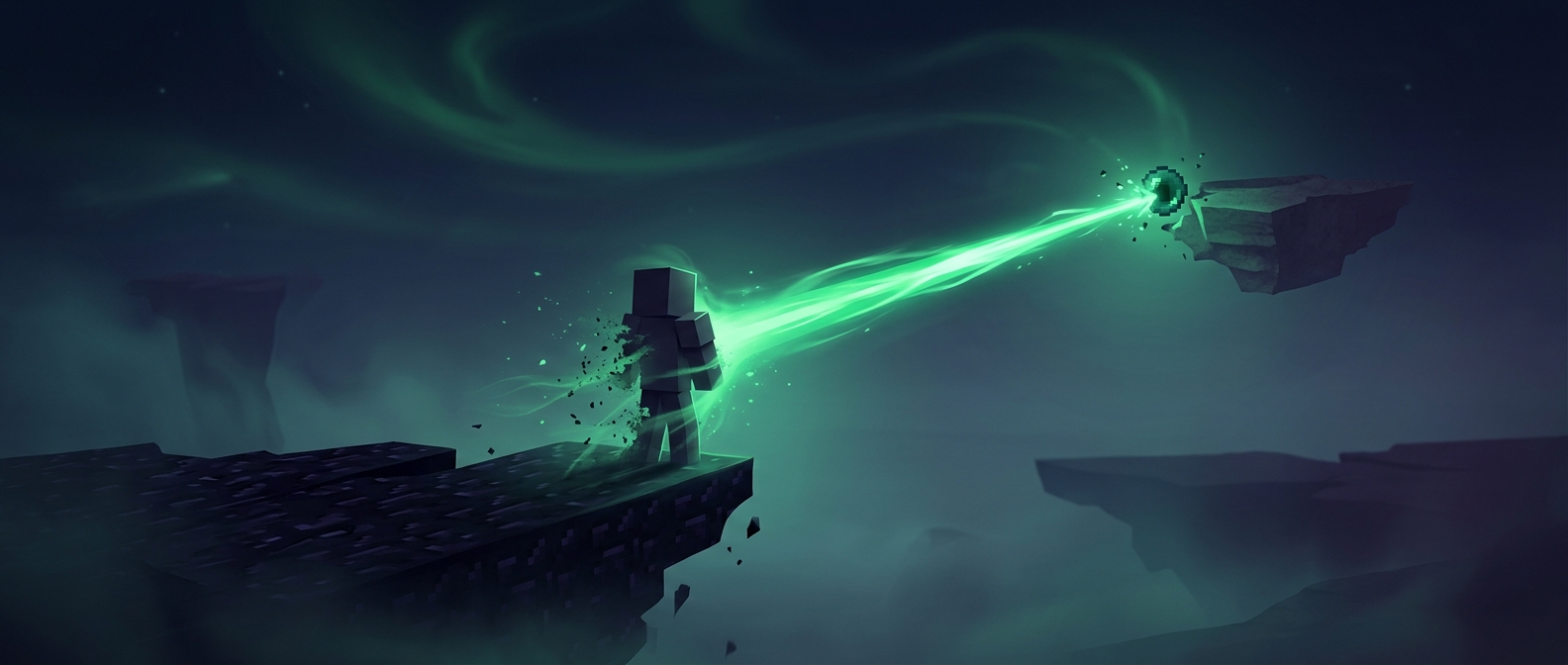
A dimension door removes the ground between two places, but it does not remove the need to identify the destination. The traveler must be able to see the spot they intend to reach; the opening bridges distance, not uncertainty.
That rule makes the power less like dropping a pin on a map and more like stepping through a doorway you can inspect. A visible landing place gives the traveler a reference point. A location hidden behind a wall, around a corner, or beyond the horizon cannot be chosen just because its position is known.
Sight Becomes Part of the Route
This changes how the shortcut works in practice. To reach a courtyard, a traveler may first need to get a view into it. A bend in a passage or a closed door is not merely an obstacle to ordinary travel—it can block the information required to open the route at all.
And seeing a spot is not the same as knowing it is safe. The traveler still has to judge what is there and whether there is room to arrive. The power skips the approach, but the final decision remains a physical one: look at the landing place before committing to it.
That constraint turns visibility into a kind of infrastructure. Windows, balconies, and open sightlines can become valuable routes, while concealed spaces remain inaccessible from afar. The door may erase the distance between two visible points, but it cannot make an unseen destination safe—or even available.