A thrown pearl turns an arc into a route
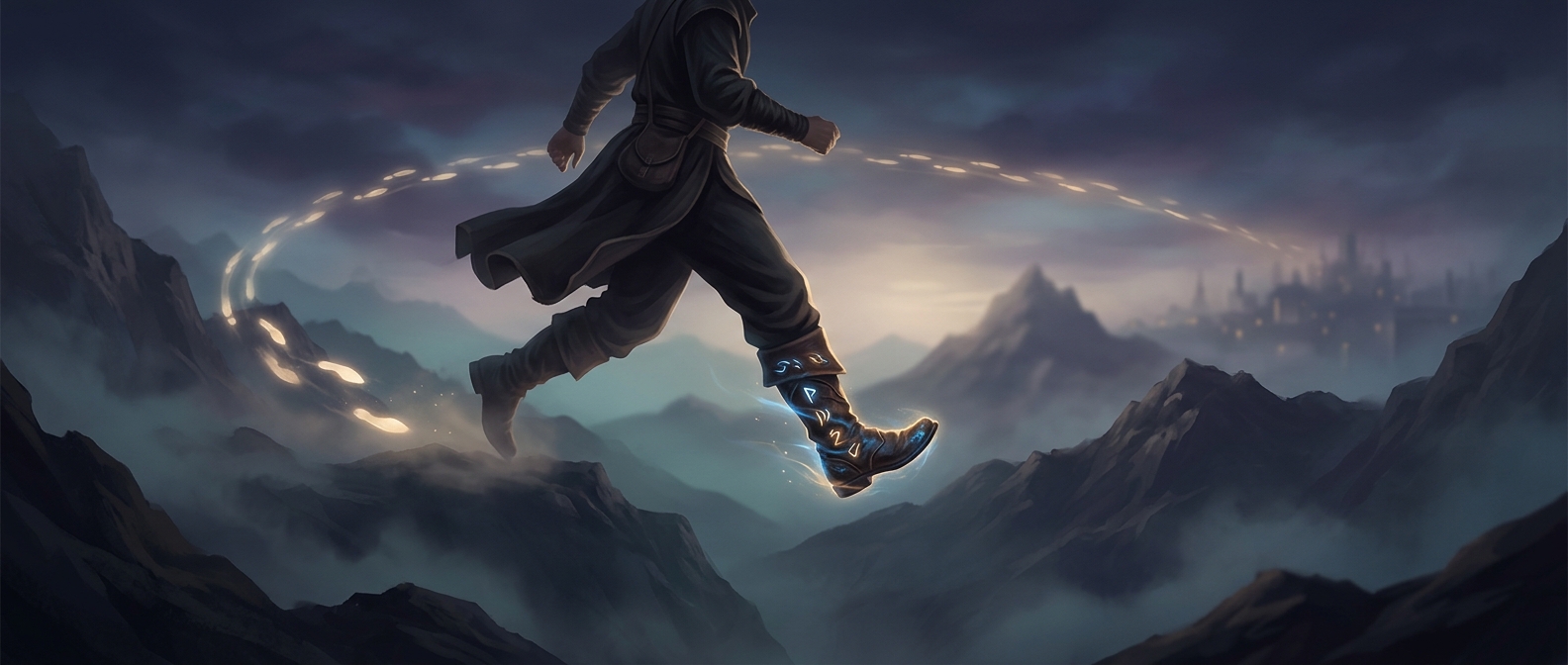
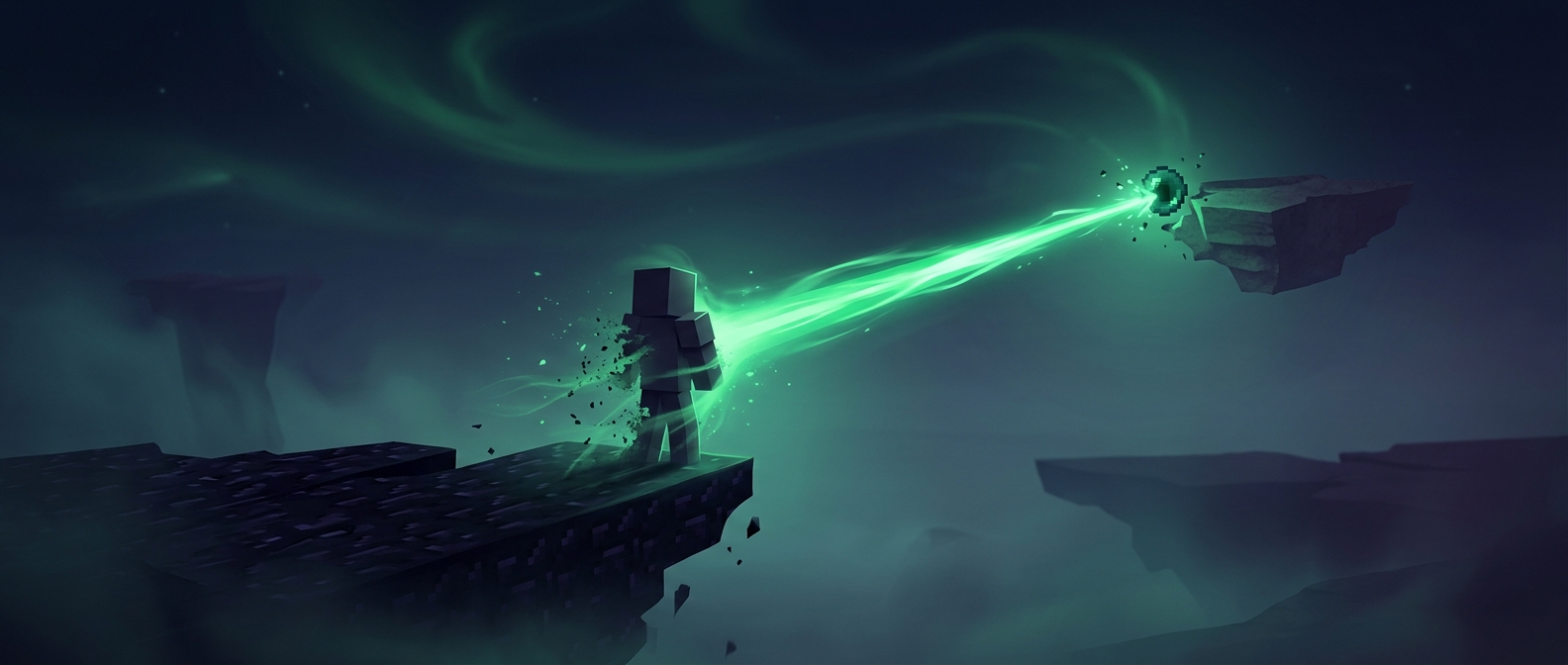
An Ender pearl behaves like a small projectile, not a point-and-click teleport. Once thrown, it travels forward while gravity bends its path downward. The player’s destination is set by the first place the pearl hits—such as a wall, the ground, or a ceiling. Aim and trajectory therefore matter: a low throw can land nearby, while a high arc can carry the player over an obstacle or across a gap.
The impact point is the key. The pearl does not pull the player along its flight path; it marks where the trip ends. That makes it useful for crossing terrain that would otherwise require a long detour, but it also makes a bad throw costly. A pearl that strikes the wrong surface can deposit the player somewhere awkward or dangerous.
The shortcut charges health
When the pearl lands, the game moves the player to its impact location and inflicts damage. That cost is separate from any danger waiting at the destination: a teleport onto a hazardous surface can add further harm. In effect, the pearl trades a predictable health loss for speed and access.
This creates a practical choice rather than a free escape. A player with enough health can use a pearl to cross a gap, reach a ledge, or get out of immediate danger; a player already near defeat may be better off finding another route. The pearl’s real constraint is not distance alone, but whether the landing spot is worth paying health to reach.