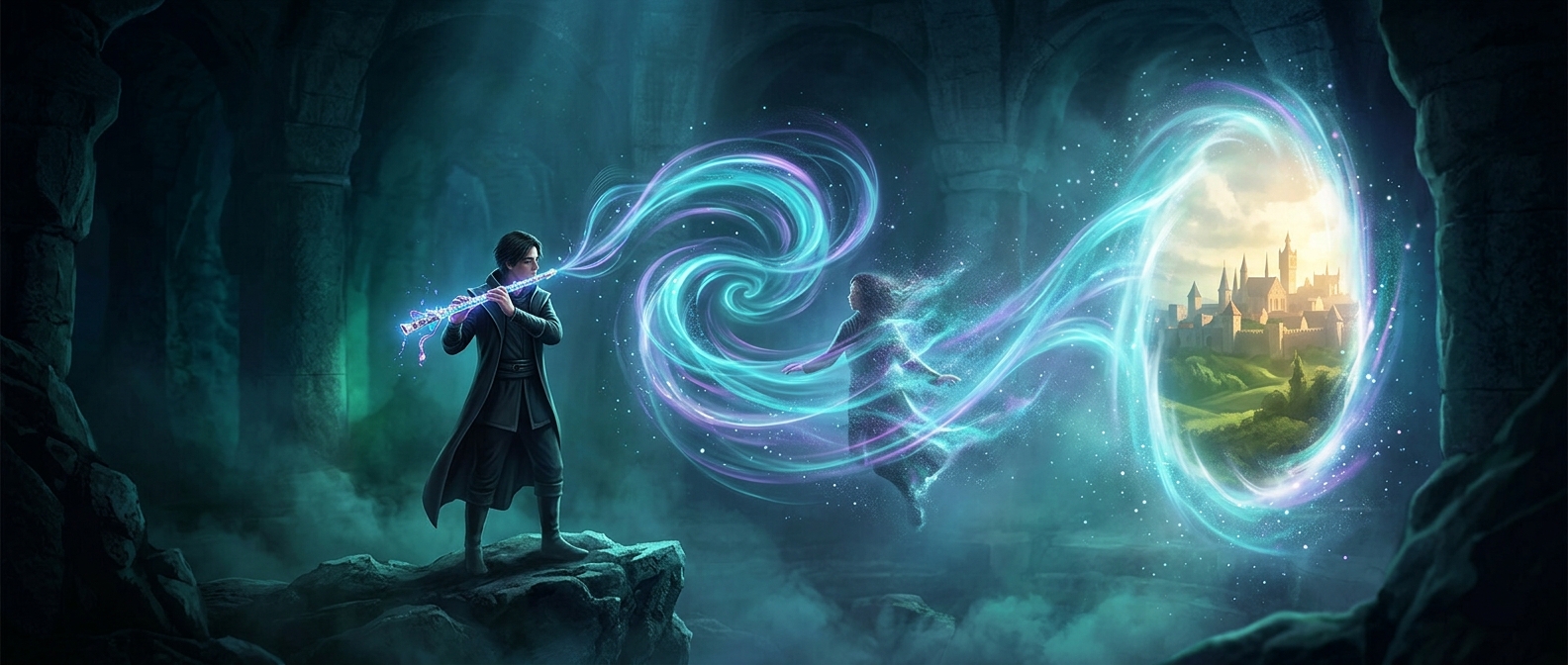
A Journey With No Distance in Between
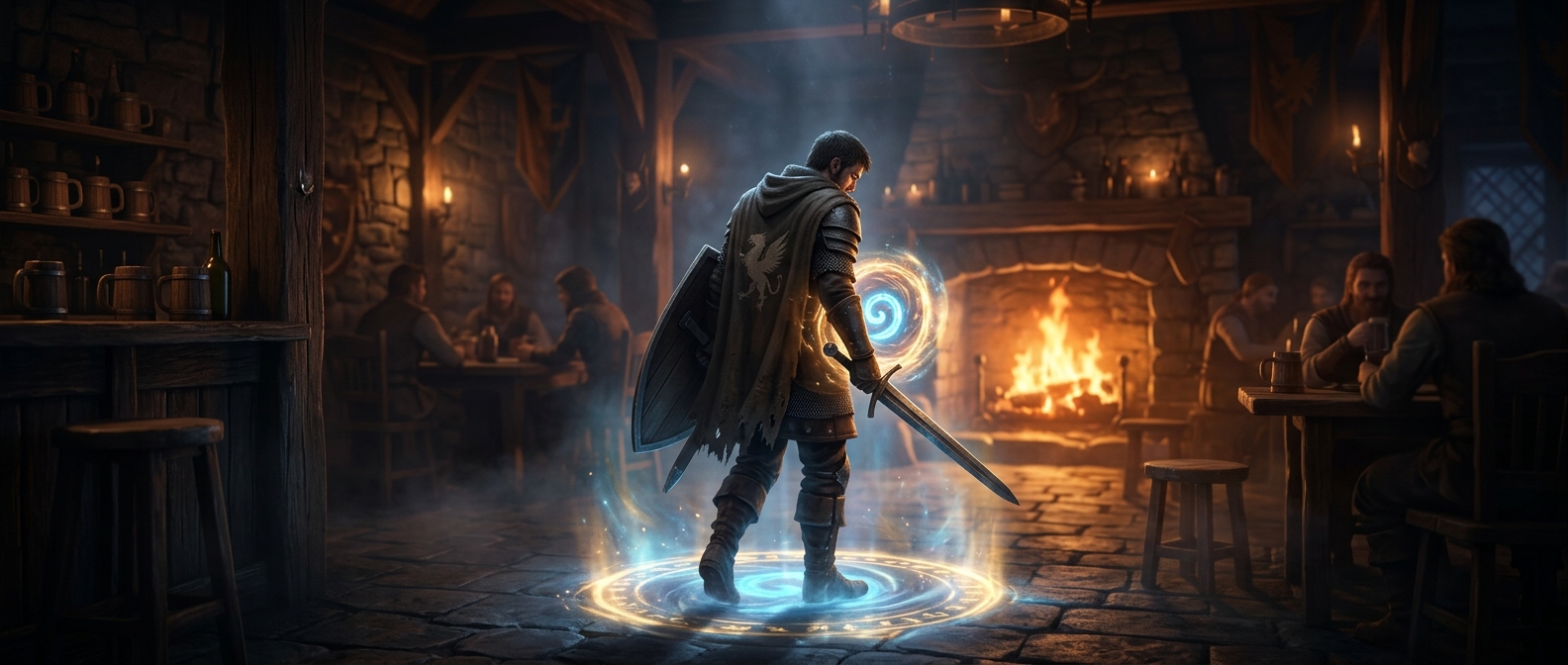
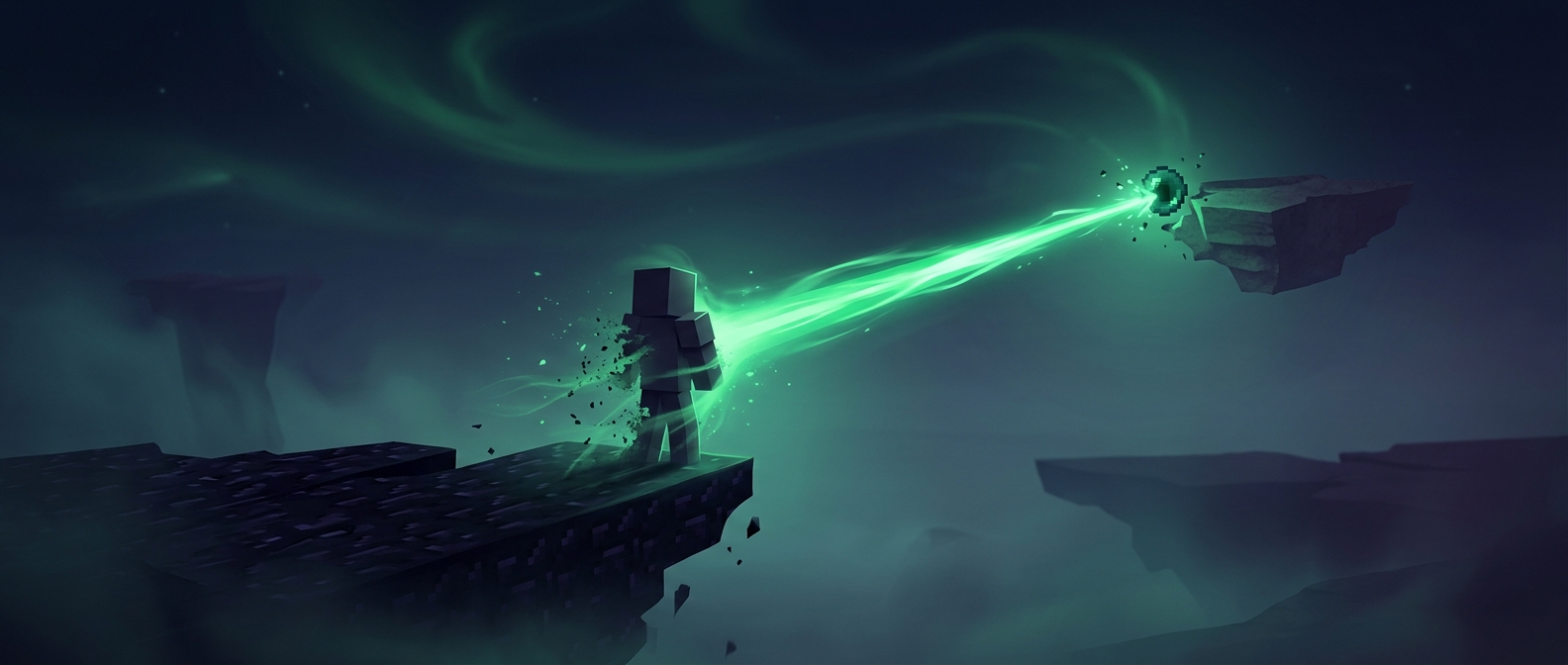
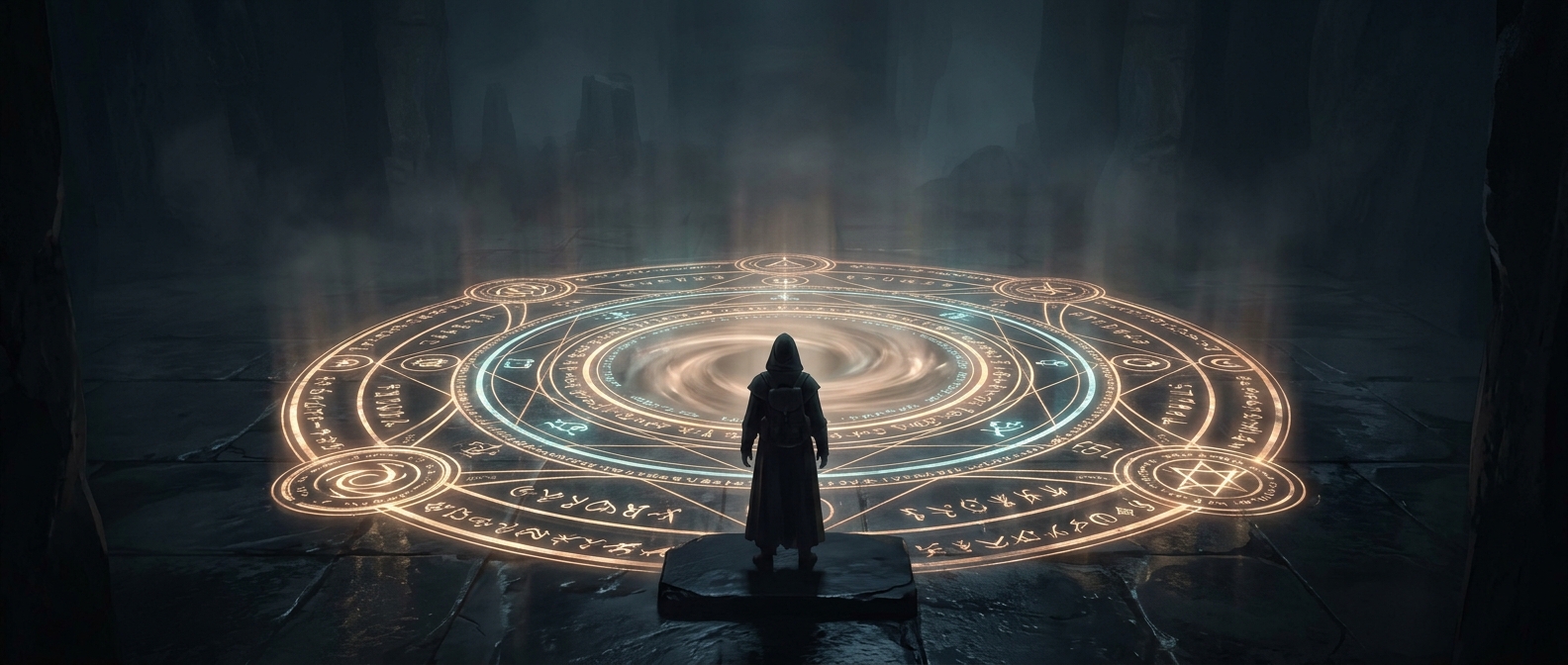
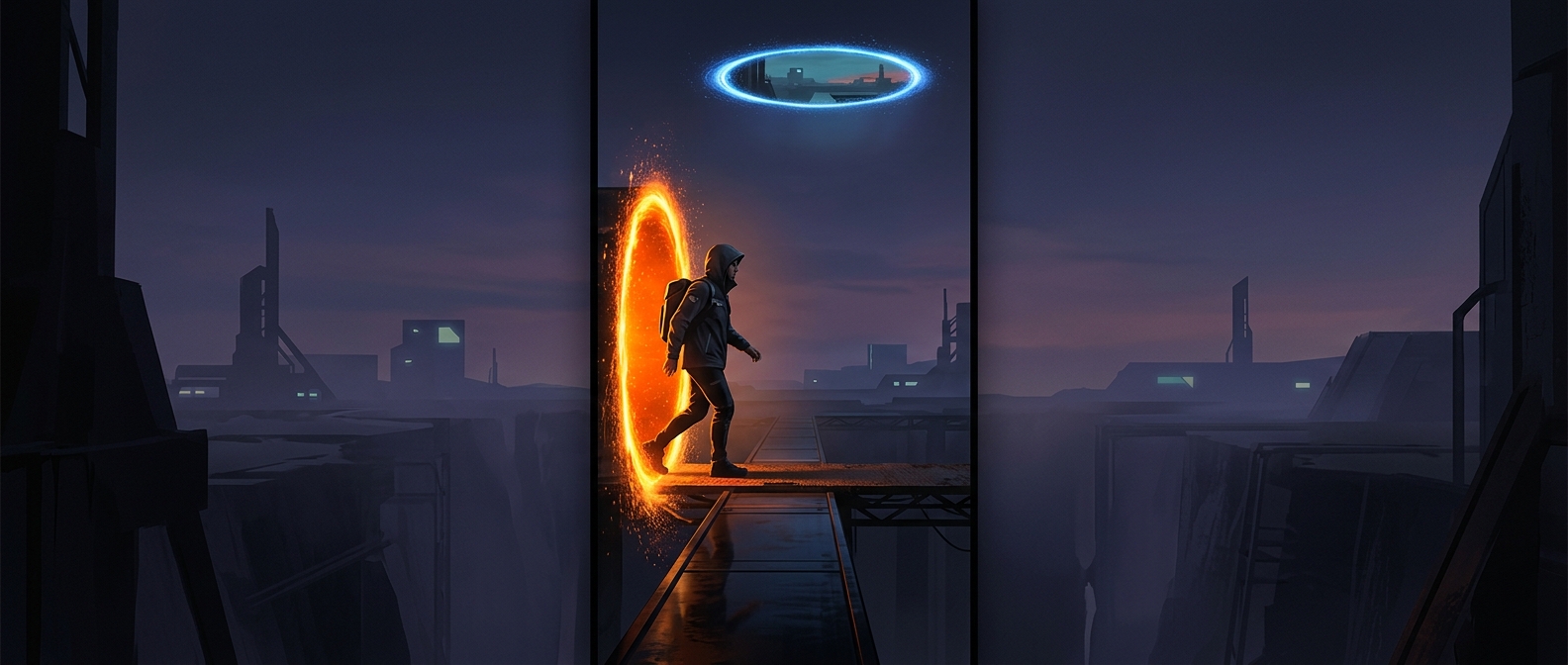
A magic flute that relocates its player at the end of a tune works less like a faster vehicle than a doorway with a musical trigger. A train still has to cross the land between stations; this flute makes that crossing irrelevant. The player begins in one place, plays, and arrives somewhere else when the music stops.
That difference changes what “travel time” means. There is no need to accelerate, follow a route, or spend hours covering miles. The tune is the interval the traveler experiences, but it does not measure how far apart the two places are. A nearby destination and a distant one could, in principle, take the same time to reach.
The Hard Part Is the Destination
In ordinary transport, a timetable coordinates a journey through space: vehicles move along known routes, and stations give passengers reliable places to board and exit. A flute that skips the route would replace that network with a different problem: knowing where the music will leave its player. The premise does not specify how the destination is chosen, so its convenience depends on that missing detail. If the player can select a safe, precise arrival point, the flute could make remote places feel next door; if not, arrival itself becomes the risk.
The train’s timetable is still useful for everyone who cannot—or does not want to—vanish between notes. The flute’s real disruption is narrower and stranger: it turns distance from an obstacle to be crossed into a destination-setting problem.