The Manual Gave the Bricks a Backstory
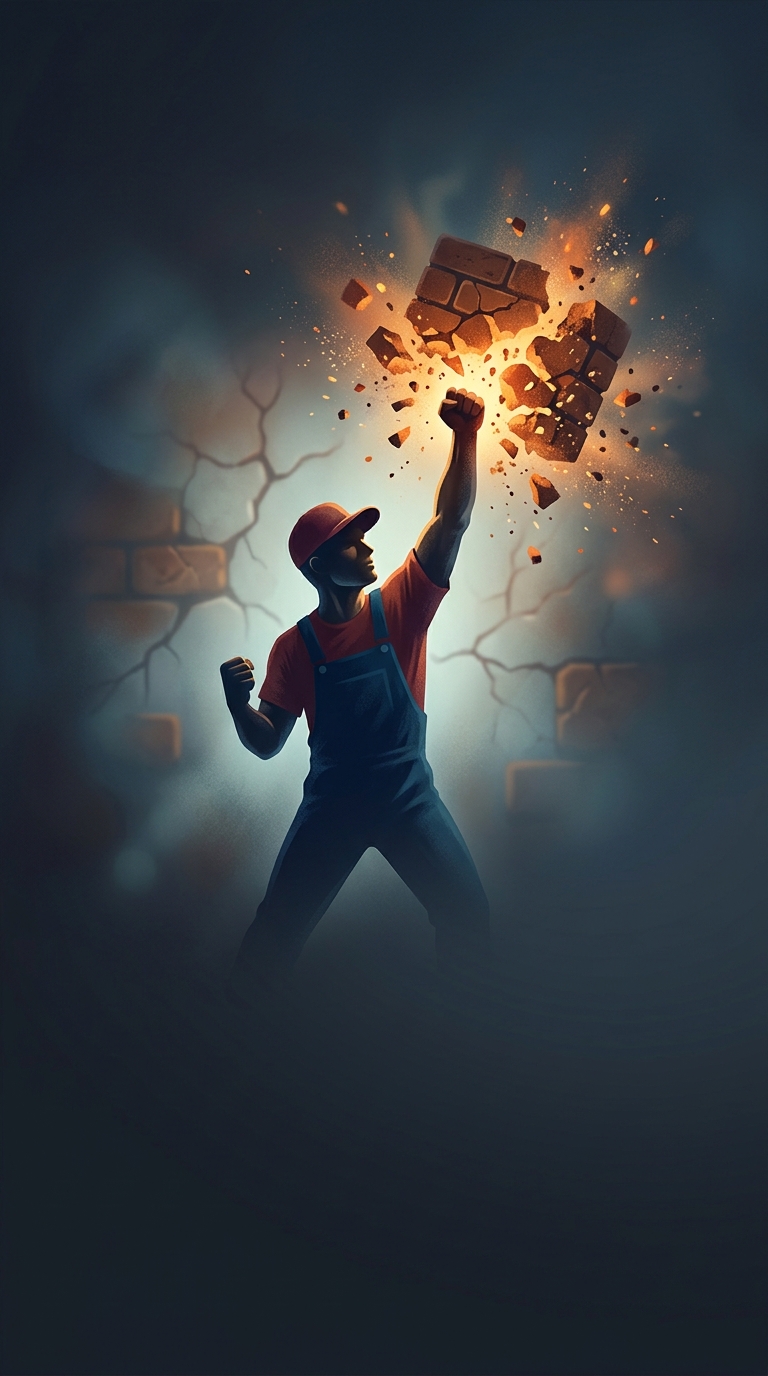
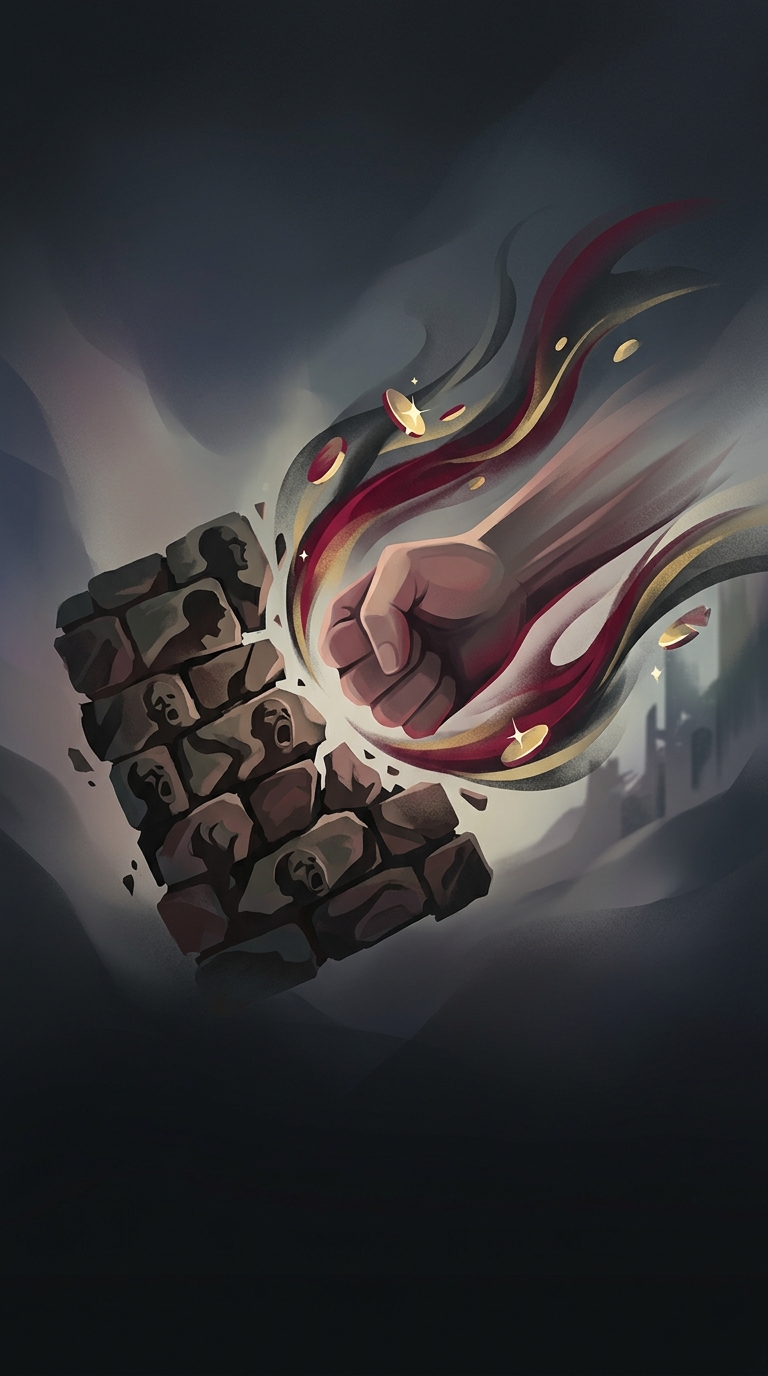
In the original Super Mario Bros. manual, the game’s ordinary scenery has an unsettling explanation: the Koopa wizard’s spell transformed Mushroom Kingdom citizens into stones, bricks, and horsetail plants. That bit of story turns familiar platform-game objects into people in disguise. The bricks Mario breaks are no longer just obstacles; at least within the manual’s fiction, some may be the kingdom’s residents.
The explanation also makes the game’s simple visual language do double duty. A player sees a block to hit or a barrier to clear. The manual supplies a kingdom-wide disaster behind those shapes, giving Mario a reason to fight through the landscape and a way to understand why so much of it looks inanimate.
A Story That Doesn’t Quite Match the Controls
The game’s mechanics were built around jumping on enemies, striking blocks, and collecting coins and power-ups. The manual’s spell explanation overlays that action with a more serious rescue premise, but the game does not identify which bricks contain transformed citizens or let Mario restore them one by one. Breaking a brick is therefore both a useful move in play and, if read literally alongside the manual, an uncomfortable image.
That mismatch is part of the original game’s odd charm: its sparse story asks the player to imagine a crisis larger than the controls can represent. Mario’s victory over the Koopa threat is meant to end the spell and save the kingdom, while the moment-to-moment adventure remains a brisk sequence of jumps and broken blocks. The manual makes even a routine brick-smash carry a tiny, unintended moral complication.