A game card hidden beneath the battery
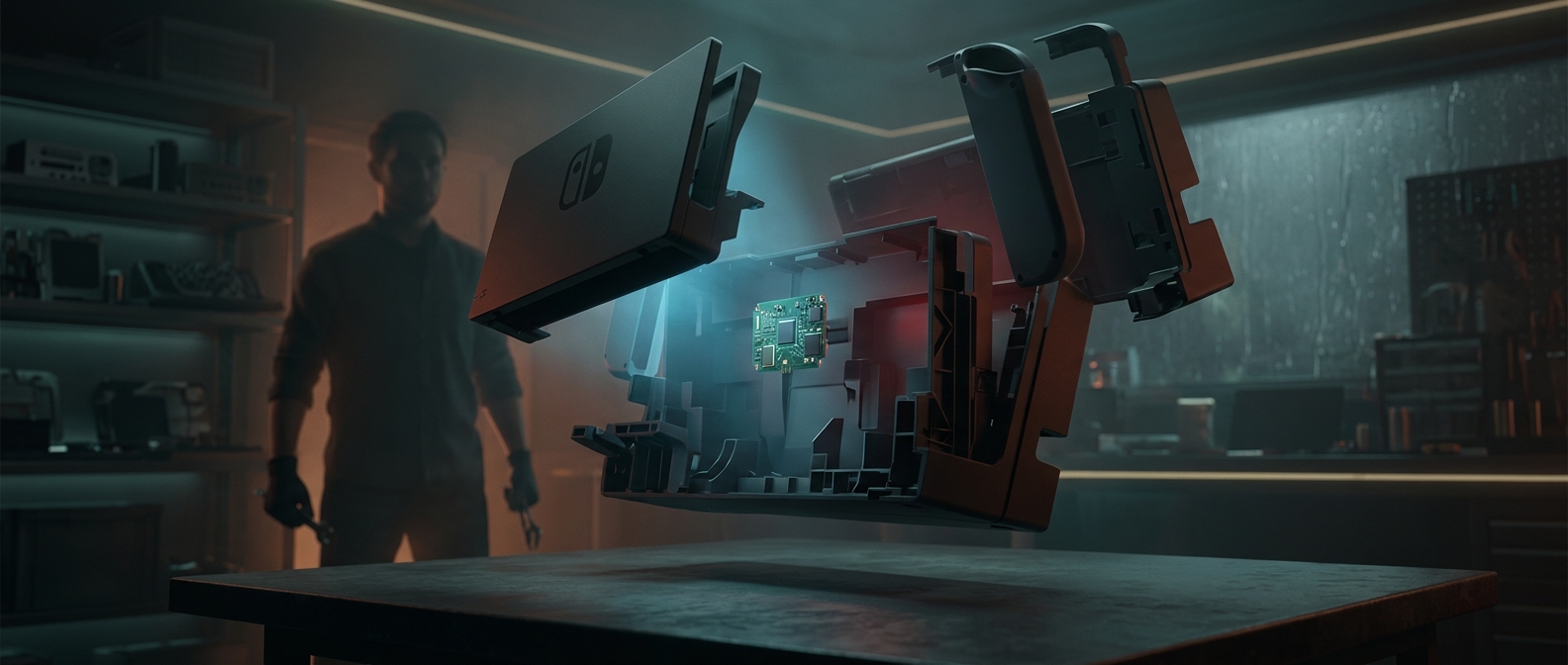
On the original Nokia N-Gage, games came on small memory cards. But the card slot sat inside the phone, beneath its battery. To change games, players had to shut the device down, remove the back cover and battery, replace the card, then put everything back before turning the phone on again.
That turned what should have felt like swapping a handheld-console cartridge into a miniature repair job. A player could not simply pause one game and slide another into an exposed slot; changing titles meant interrupting the phone as well as the game.
The cost of combining phone and handheld
The N-Gage was meant to serve as both a mobile phone and a portable game system. Its removable game cards made it possible to own and exchange separate titles, but their placement made that exchange cumbersome. The awkwardness was especially noticeable because cartridge swapping was already familiar from dedicated handheld consoles: the game itself was easy to change, while the phone’s construction added several steps.
The design’s memorable contradiction was practical, not technical: the games were replaceable, but reaching them required dismantling part of the device. Before a new round could begin, the battery had to come out first.