A console built more like a computer
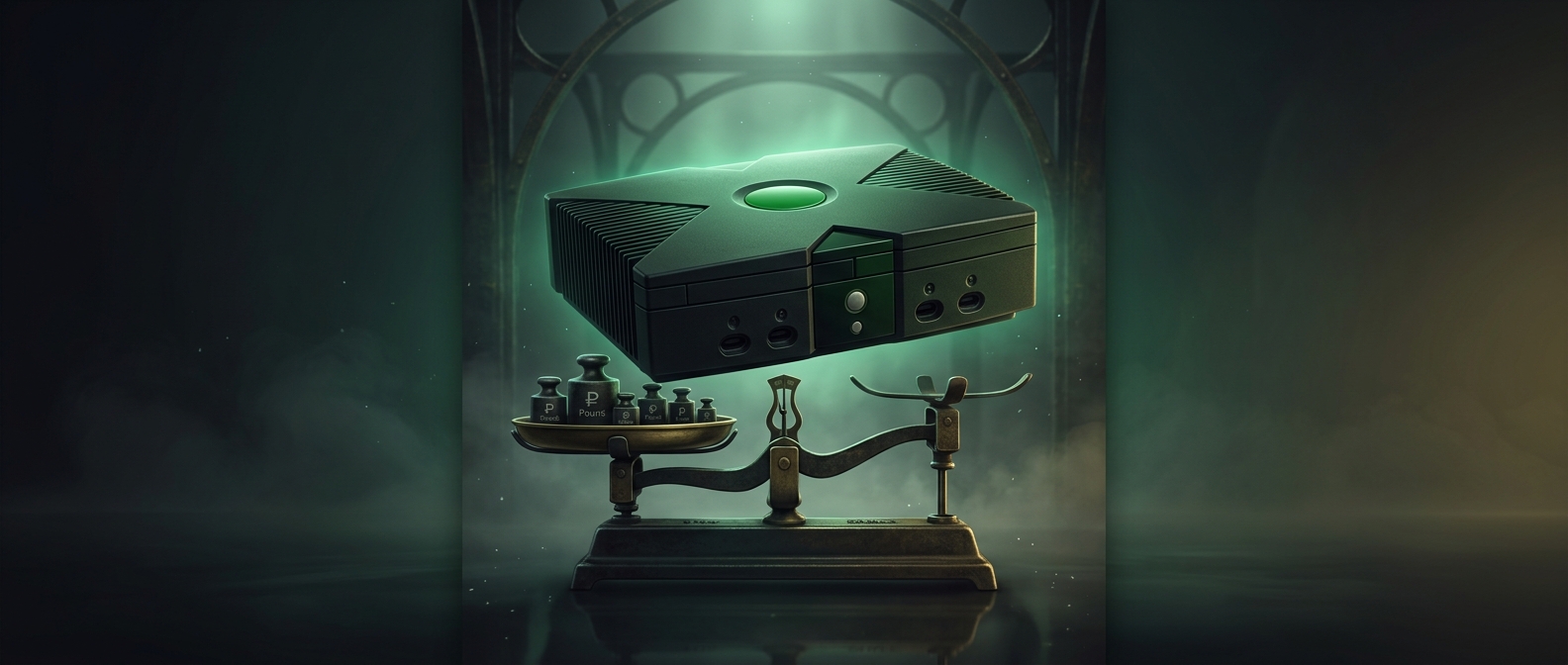
The original Xbox’s heft came from what Microsoft put inside the box. Rather than rely on a cartridge slot and a small set of specialized chips, it used a PC-like arrangement: a processor and graphics chip, memory, a DVD drive, and an internal hard drive. Each component needed space, support, and connections to the others.
The hard drive was especially consequential for a console of its era. It let games store data locally, while the DVD drive handled game discs; both added substantial hardware beyond the basic processing components. The system also needed a power supply and cooling, adding to the amount of material packed into the case.
The cost of keeping it all in one box
Putting those parts together made the Xbox a self-contained system, but it also meant a larger, heavier machine than a compact console built around fewer components. Its design favored the capabilities of a computer-like platform over easy portability. That tradeoff showed up in an ordinary place: a shelf that could hold a lightweight console might need sturdier support for the Xbox.