Why Kinect Was Built Into the Xbox One’s Plan
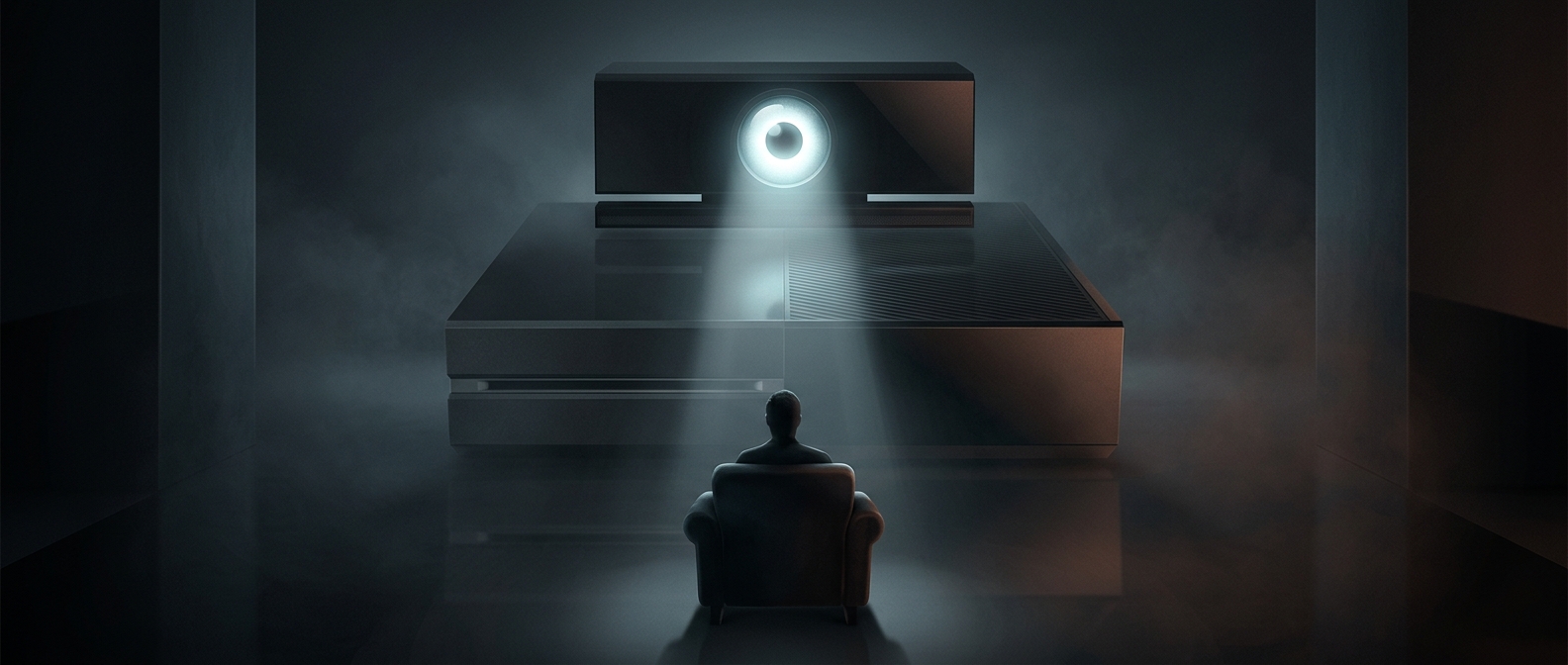
Microsoft designed the original Xbox One around Kinect, a camera-and-microphone accessory that could recognize movement, respond to voice commands, and identify a player by face. The idea was to make the console feel less like a box controlled only by a gamepad: a spoken command could switch functions, while a gesture or a player’s presence could help navigate the interface.
That ambition shaped the launch plan. Microsoft initially said Kinect had to remain connected for the console to work. In a living room, that meant a device with a camera and microphone would be physically present even when someone was simply watching television or playing a game that did not need motion controls.
A Hardware Requirement Became a Privacy Question
The objection was not just that Kinect could capture images or sound. It was that users were being asked to trust a sensor they could not unplug while using the console. For a product meant to sit beside a television in a shared, private space, the difference between “available for voice commands” and “required to stay connected” mattered. People wanted control over when the camera and microphone were present, not only assurances about how the data would be handled.
Microsoft reversed course before the console launched, saying the Xbox One would function without Kinect attached. Kinect still came with the console at first, but the reversal changed it from a condition of using the system into an optional accessory. That distinction was consequential: it let owners physically disconnect the sensor, turning a debate about trust into a simple choice about what stayed plugged in at home.