A headset made talking part of the game
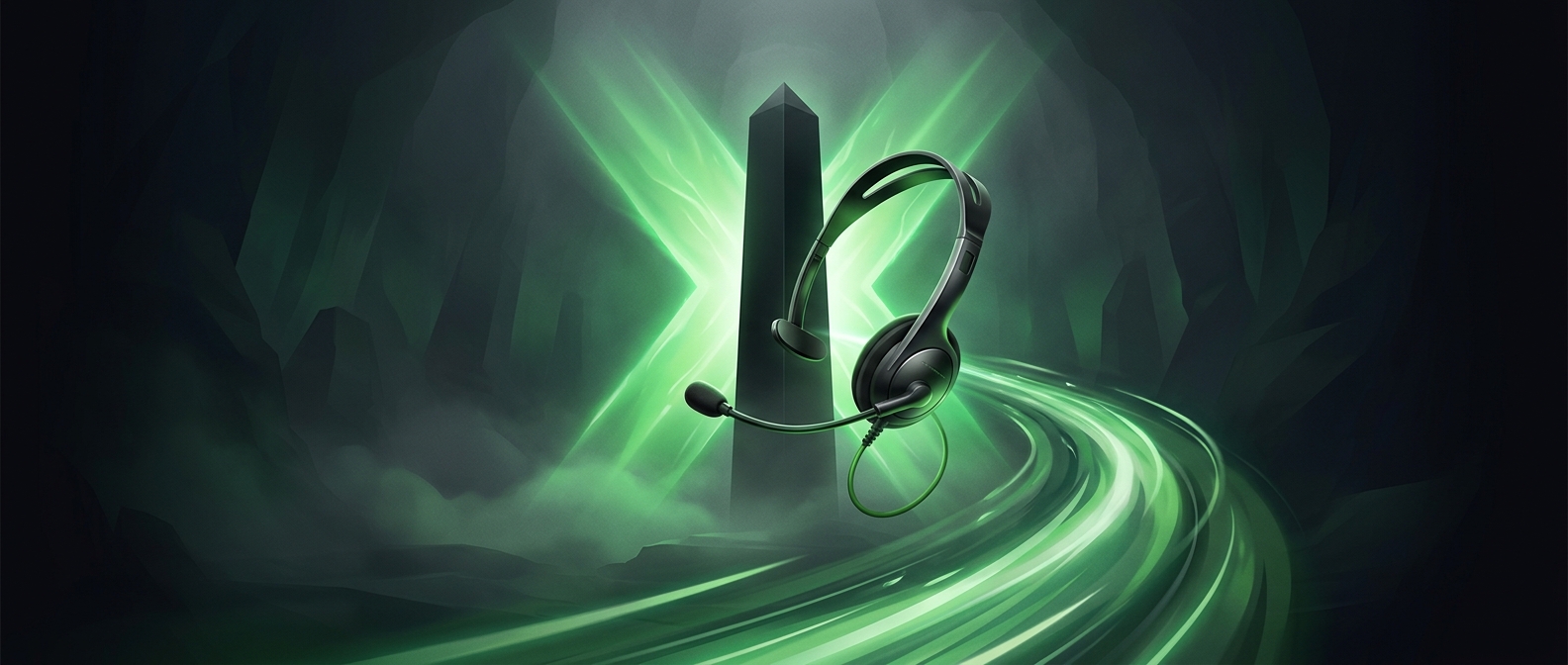
The original Xbox’s headset mattered because it turned voice chat from an extra purchase into a normal part of getting online. Players could speak through a small microphone and listen through a single earpiece while keeping the game’s sound on the television. The headset connected through an adapter on the controller, putting the microphone within easy reach without requiring a separate desk setup.
That low-cost design lowered the barrier to a behavior that was still new for many console players. Instead of typing messages with a controller, teammates could call out an opponent’s position, ask for help, or coordinate a move as it happened. In fast multiplayer games, a spoken instruction could arrive in the moment it mattered.
The hardware shaped the social experience
Making voice chat readily available also gave developers a reason to design around it. Online matches could feel less like anonymous rounds against distant opponents and more like conversations among people sharing a team—or arguing across one. The microphone did not guarantee friendly talk, but it made speaking an ordinary option rather than a feature reserved for players who had bought additional gear.
The tradeoff was simplicity over polish: a basic, one-ear headset was inexpensive and functional, not a high-quality audio setup. Its significance was less about sound quality than access. By putting a microphone in players’ hands at the start of their online experience, Xbox helped make talking to strangers in a console lobby feel like part of playing.