A muscle can change what the ear hears
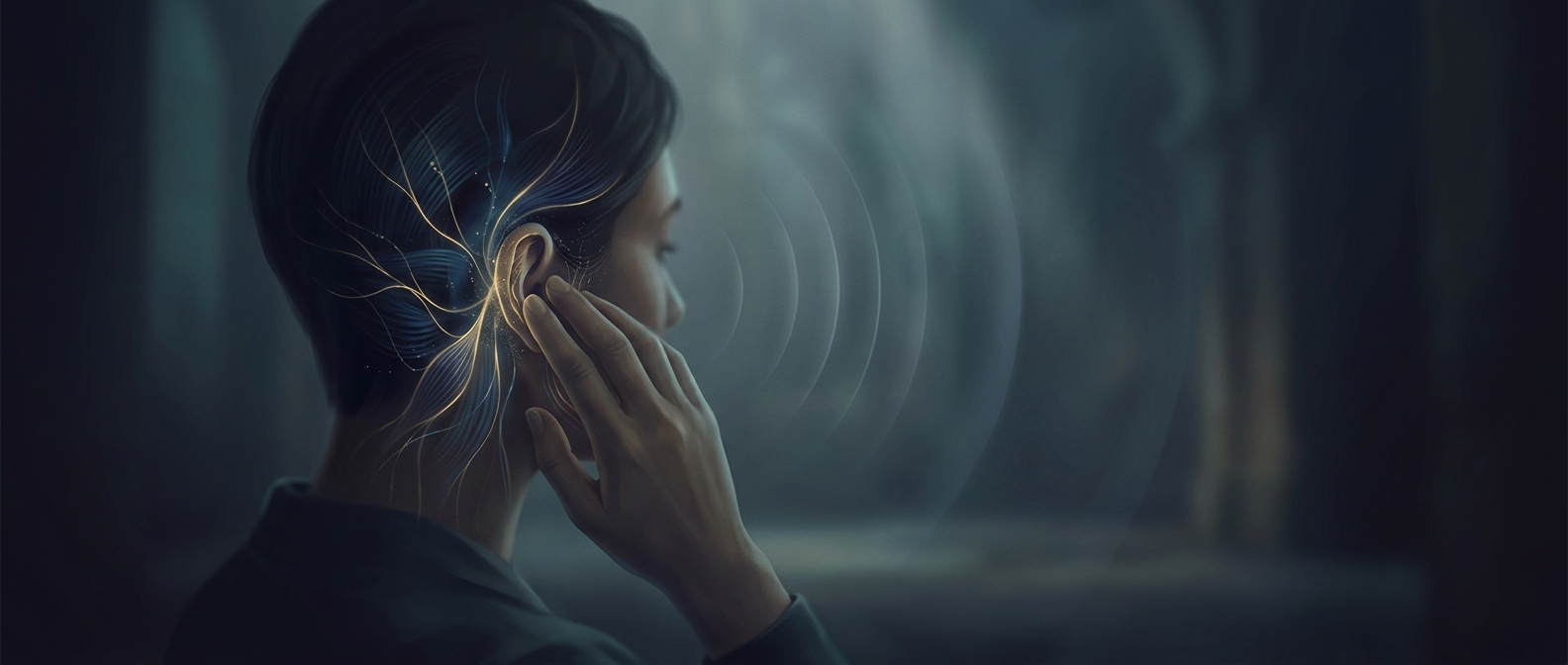
The tensor tympani is a small muscle tucked inside the middle ear. It connects to one of the tiny bones that carry sound vibrations from the eardrum toward the inner ear. When the muscle tightens, it pulls on that bone and makes the sound-transmitting system less free to vibrate.
Most people never consciously control this movement. For some, though, tightening the muscle produces a low, muffled rumble that seems to come from inside the head. The sensation is not an outside noise reaching the ear; it comes from the ear’s own movement and the vibrations that movement creates.
The ear’s built-in volume dampener
The tensor tympani can contract automatically in response to certain actions or sounds. By stiffening the middle-ear system, it can reduce how strongly some vibrations are passed along. It is part of the body’s way of adjusting the ear, though it does not simply switch off loud sound or protect hearing from every damaging noise.
People who can tense it on purpose are noticing and controlling a small movement that usually happens outside awareness. The resulting rumble can vary in intensity and may be easier to trigger with effort, such as tightening muscles around the jaw or face.
Why it sounds so private
Because the source is inside the ear, the rumble is heard differently from a sound in the room. It may feel more like a brief internal vibration than a clear pitch, and another person generally cannot hear it just by standing nearby. The striking part is that a muscle usually working behind the scenes can become a consciously operated sound source.