How the Brain Builds a Creative Idea
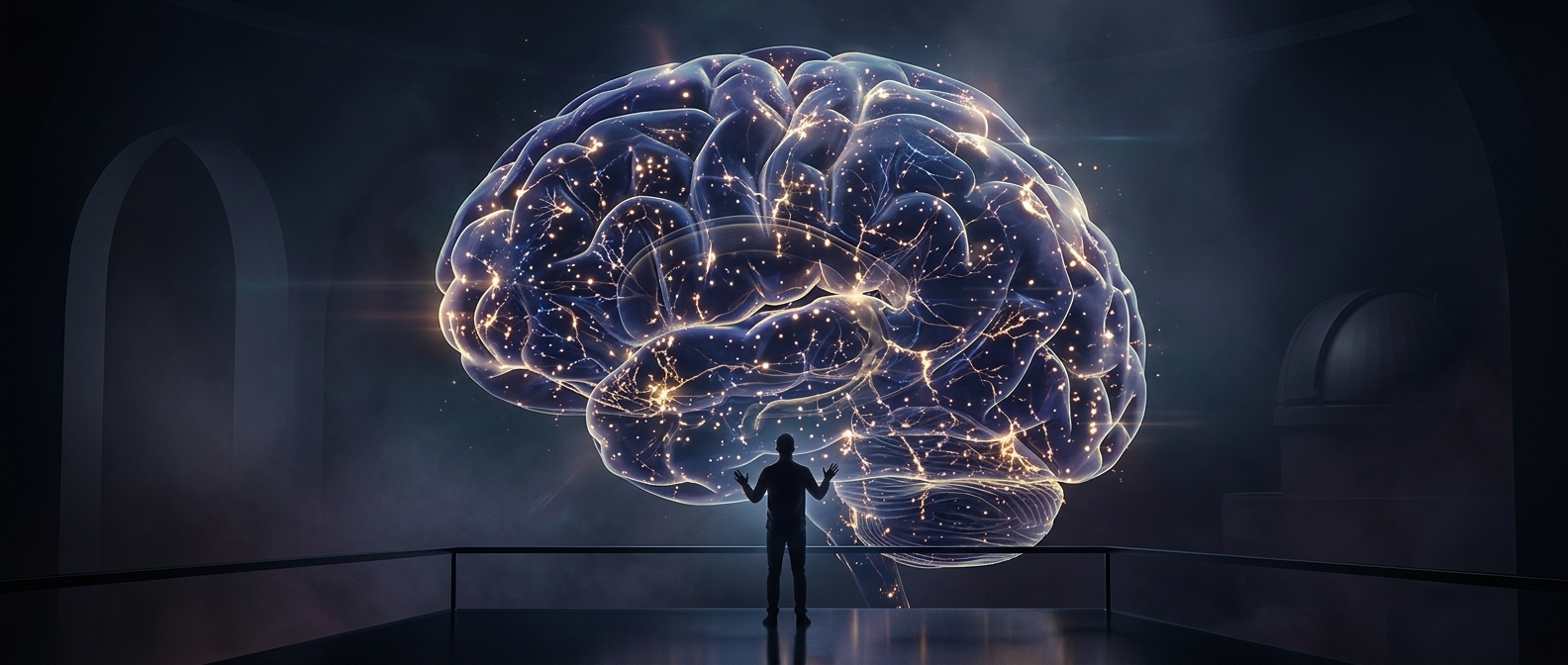
A creative result can look like one sudden flash, but producing it usually takes several kinds of thinking. Someone writing a song, for example, may recall a phrase, notice how it sounds, connect it to an emotion, and then judge whether it belongs in the piece. These steps draw on different mental abilities, rather than a single “creative” faculty.
From Association to Revision
Memory supplies fragments: words, images, experiences, and patterns learned over time. Attention helps a person hold some of those fragments in mind while letting others fade into the background. Language, spatial reasoning, or knowledge of a craft can then help turn a promising combination into something that can be expressed.
Making a new connection is only part of the work. Creativity also depends on evaluating and revising ideas. A painter may test a color, see that it changes the balance of the composition, and adjust it. That back-and-forth between generating possibilities and assessing them is why creative work can feel both exploratory and deliberate.
Why One Brain Side Isn’t Enough
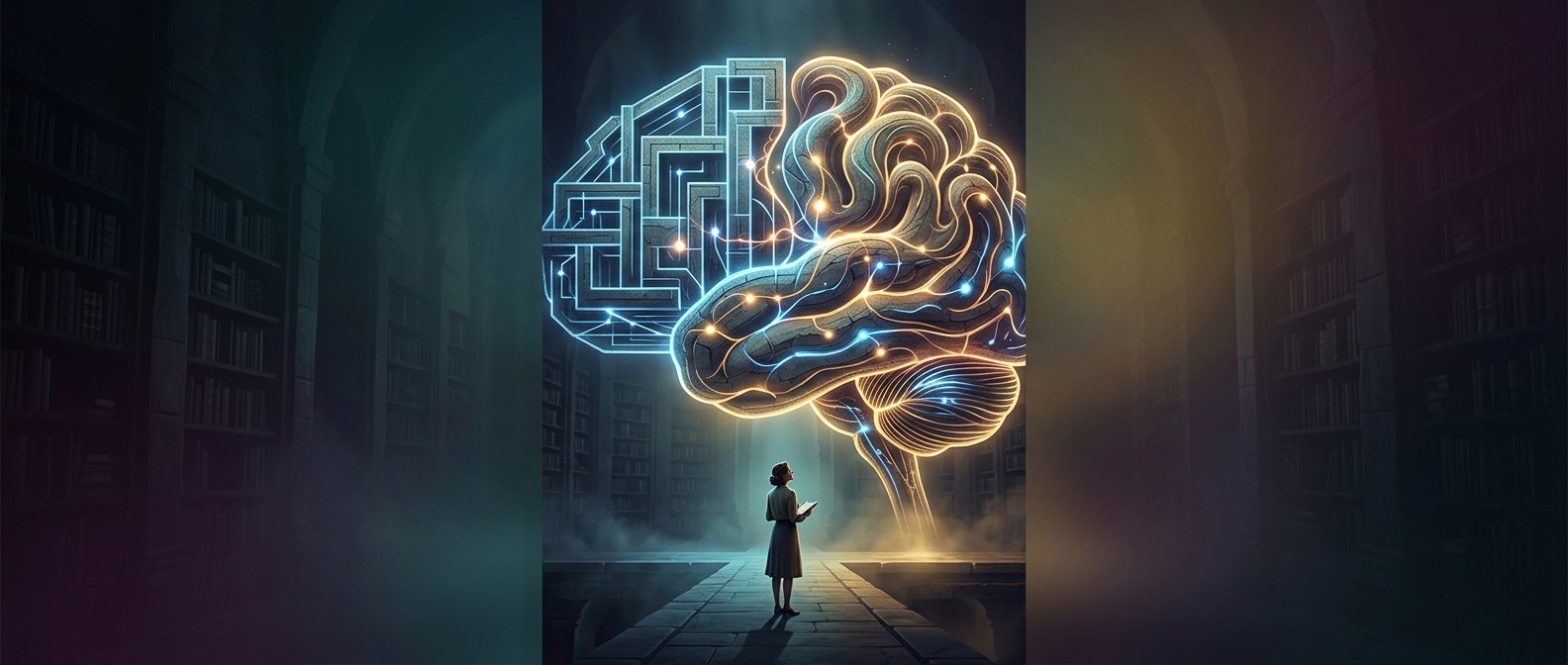
The popular left-brain/right-brain shorthand assigns logic to one hemisphere and creativity to the other. But a complex task such as composing, designing, or solving an unfamiliar problem involves multiple processes working together. The brain’s hemispheres have some specialized functions, yet creative work is not simply switched on in one half.
The practical implication is that creativity is not limited to people who experience dramatic inspiration. It can emerge through ordinary actions—remembering, making connections, paying attention, and refining a result. A first idea may begin the work; the choices that shape it are part of the creativity too.