How the Koh-i-Noor’s curse took shape
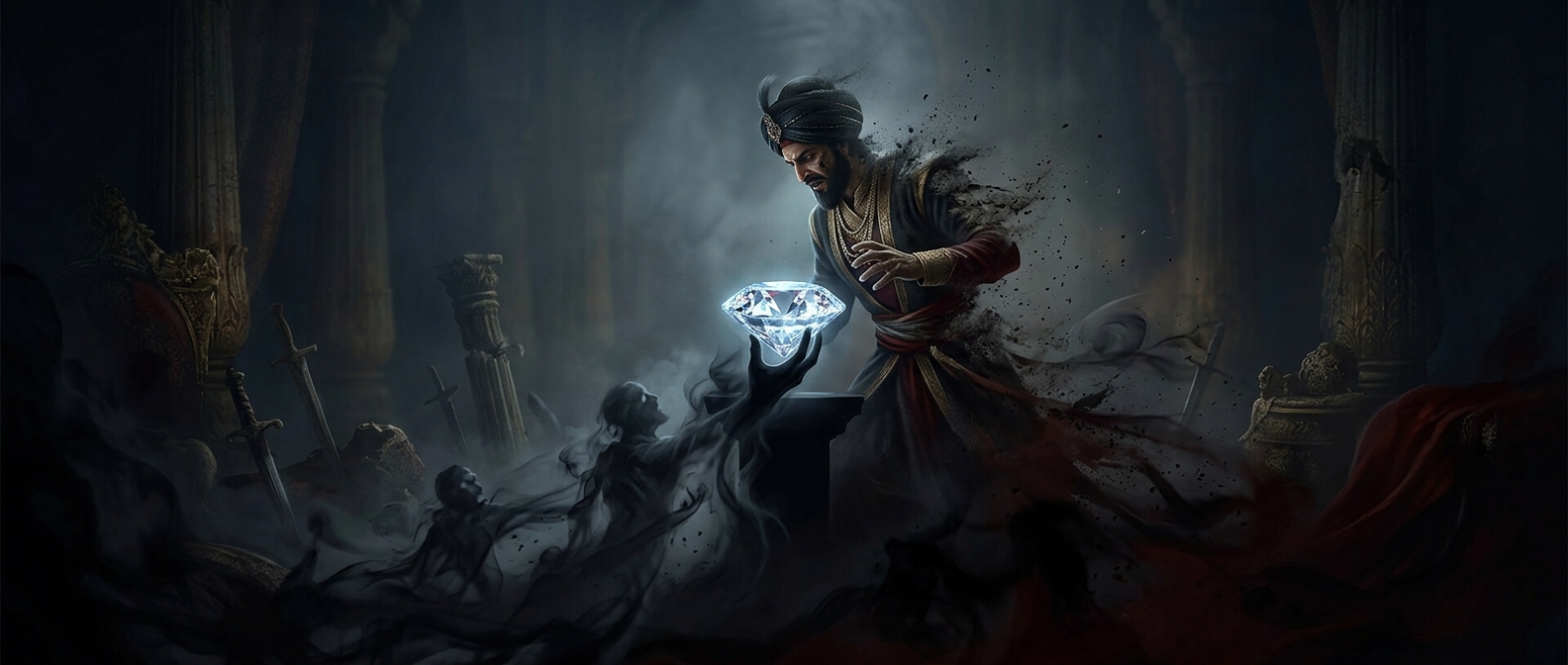
The Koh-i-Noor’s legend turns a turbulent history of royal ownership into a warning: a man who possesses the diamond will lose his crown and his life. The jewel changed hands among powerful rulers during periods of conquest and political upheaval. In the curse story, those events become a pattern—with the diamond cast not as a prize but as a dangerous burden.
That is how a legend can gather force around a famous object: later misfortunes are remembered as evidence of the warning, while the many events that do not fit it recede from view. The curse belongs to folklore, not to a demonstrated power of the stone.
Why British royals wear it differently
British royal tradition has kept the diamond out of crowns worn by kings and placed it in crowns associated with queens and queen consorts. That custom echoes the legend’s gendered warning, but it does not establish that the jewel causes a ruler’s downfall.
The distinction gives the story a lasting, visible form. The Koh-i-Noor can remain part of royal display while male sovereigns avoid wearing it—a practical accommodation to a legend that has become part of the diamond’s public identity.