From Seat-Pocket Pouch to Photo Mailer
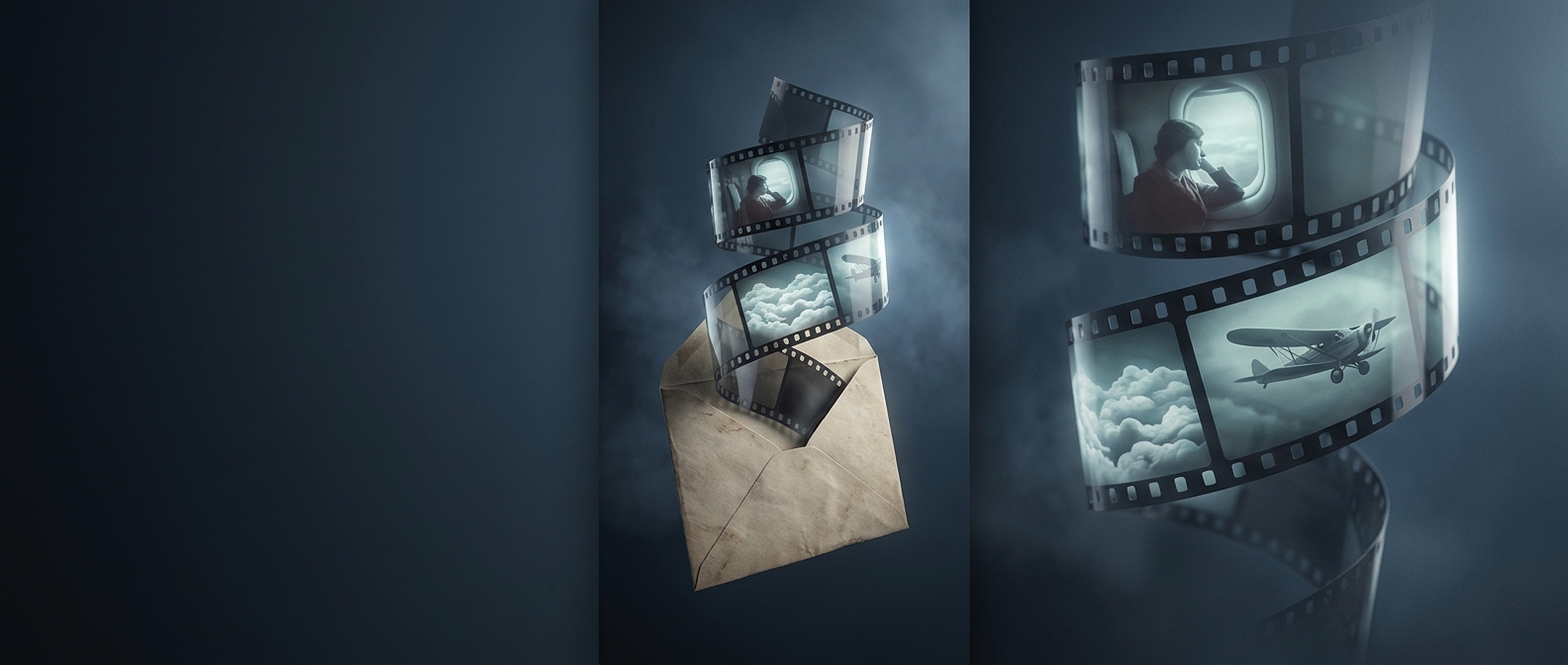
Before digital cameras made pictures available instantly, exposed film had to be developed: a lab used chemicals to turn the image recorded on the film into prints or negatives. That left travelers with a small but practical errand after a trip—getting the roll to a processor.
Airlines already placed airsickness bags within reach of passengers. Repurposing one as a film mailer gave travelers a ready-made container to send a roll to a processing lab, rather than requiring a separate envelope. The bag’s role changed from holding something unpleasant during a flight to carrying something a passenger hoped to keep.
A Small Link in Film Photography’s Longer Journey
The bag was a carrier, not a substitute for protecting film from light: exposed film had to remain enclosed in its light-tight roll or canister until it reached the lab. Once sealed for mailing, it joined the ordinary postal journey from traveler to processor.
That simple handoff reflects how photography worked before people could review pictures on a screen. Taking the photo was only the first step; the images still had to travel somewhere and be processed before they could be seen. An item designed for an uncomfortable flight could help send those memories home.