Why a flash catches a pilot’s eye
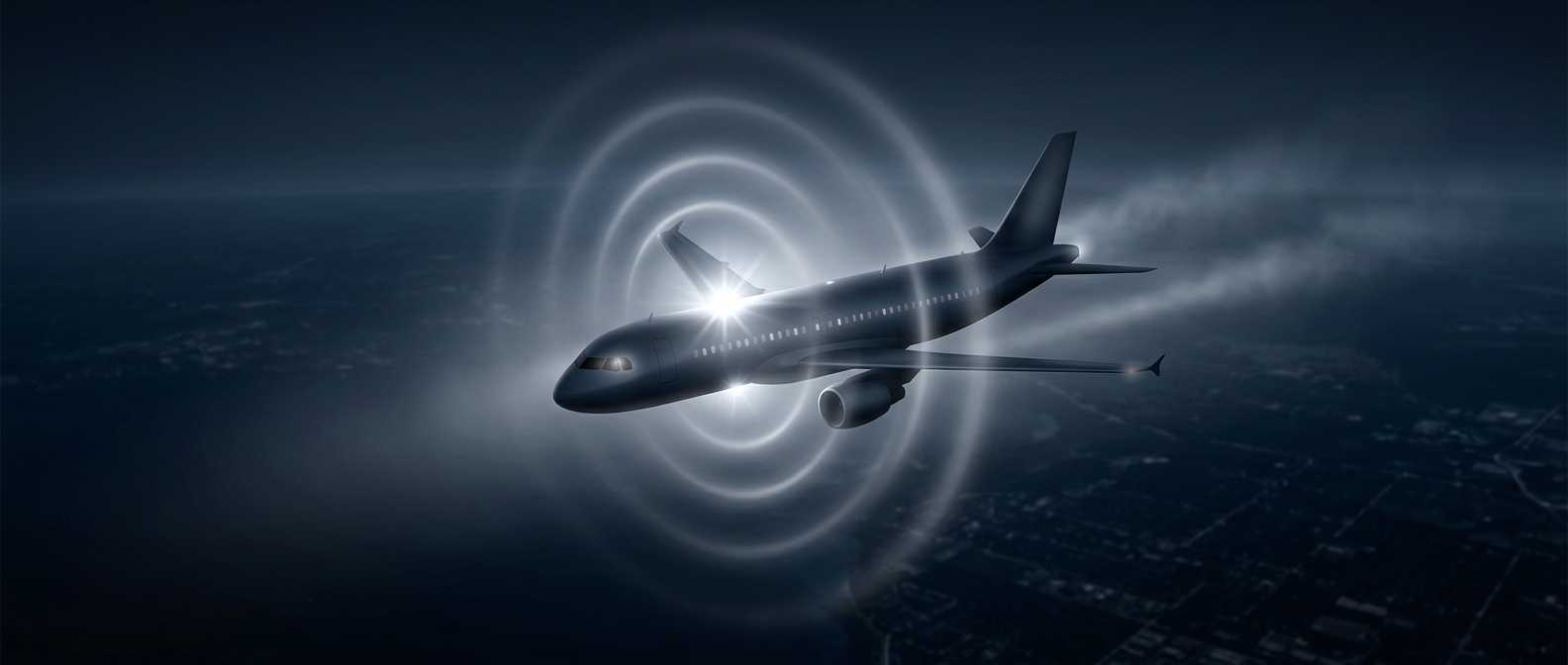
A pilot looking outside is scanning a huge field of view, often while tracking instruments, weather, and other traffic. A brief, bright pulse is more likely to break through that visual search than a light that stays constant. The strobe’s job is not to show exactly where an airplane is headed; it is to make the aircraft easier to notice in time for another crew to assess the situation.
One light system, several clues
Strobes are part of an airplane’s anti-collision lighting, commonly mounted at the wingtips and sometimes on the tail. They work alongside other exterior lights that serve different purposes. Position lights—red on the left wing, green on the right, and white toward the rear—help an observer infer which way an airplane is facing. A flashing red beacon, often on the fuselage, is another anti-collision signal.
Together, these lights offer more than a single point of brightness: their locations and colors can help pilots distinguish one aircraft from another and judge its orientation. But they cannot reliably tell an observer how far away an airplane is or how quickly it is approaching; those judgments also depend on watching how its position changes against the surroundings.
A cue, not a collision-avoidance system
The flashes add a conspicuous visual signal, especially when aircraft are difficult to see against darkness or a cluttered background. They do not replace air-traffic instructions, cockpit instruments, or a pilot’s ongoing scan for traffic. The strobe’s value is that it can prompt attention before a pilot has enough visual information to understand the whole encounter.