Why a Curved Seat Needs More Than Flat Leather
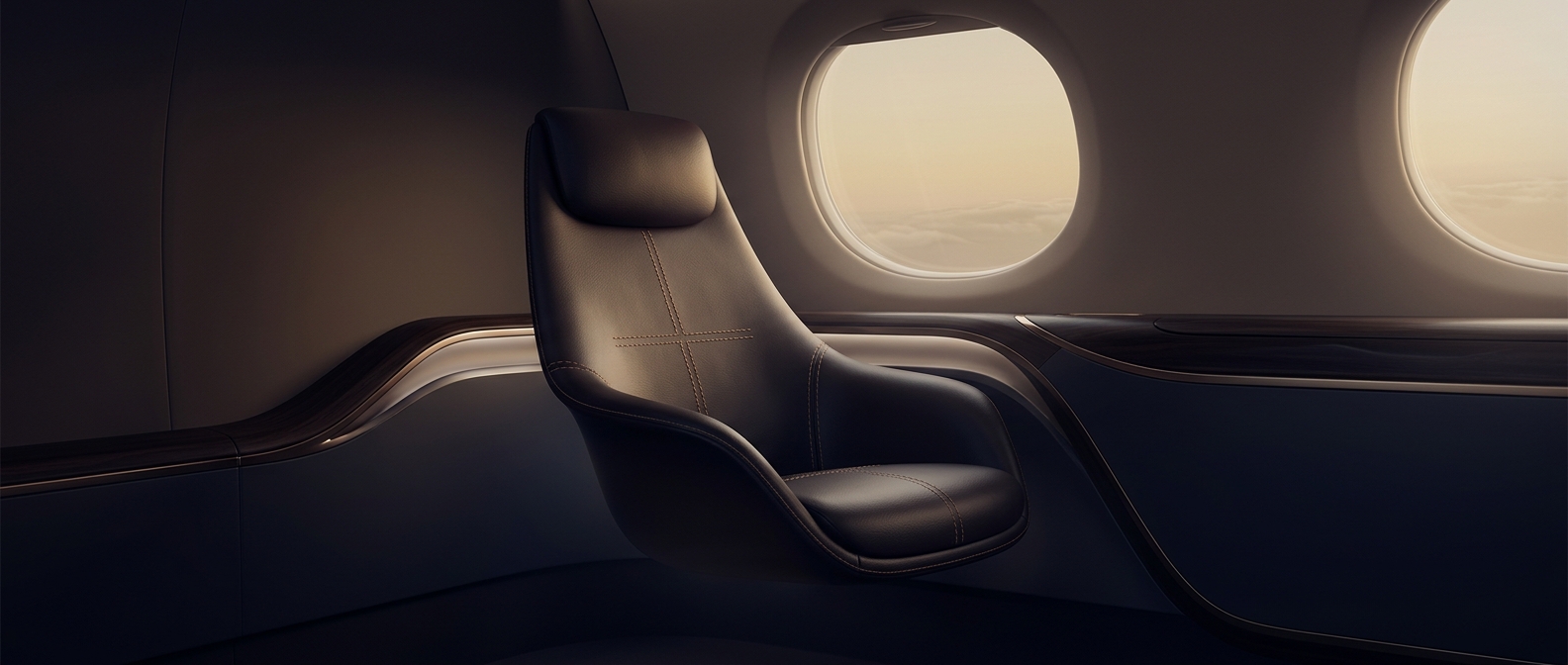
A cabin seat may look like a single smooth surface, but its foam and frame turn through corners, bulges, and changing slopes. A flat leather panel pulled over that shape tends to wrinkle in loose areas and stretch tight across raised ones. Upholsterers instead divide the covering into shaped pieces, then join them along seams placed to follow the seat’s contours.
Leather varies in thickness and stretch, so fitting is a hands-on process. The maker can ease the material around a curve and adjust the seam as the cover is assembled, helping it sit close without forcing every bend into one oversized piece. The stitching is not just decoration: it holds those shaped panels together under the tension of the finished cover.
A Bespoke Cabin Has Bespoke Upkeep
Private cabins often use custom seats and trim rather than a standard, interchangeable layout. That gives designers freedom to work around the cabin’s particular shape, but it also means a replacement panel may need to be cut and stitched to match the original rather than taken from a universal template. The tailored fit is created in the workshop—and can make later repairs tailored, too.