A Channel crossing in an exposed machine
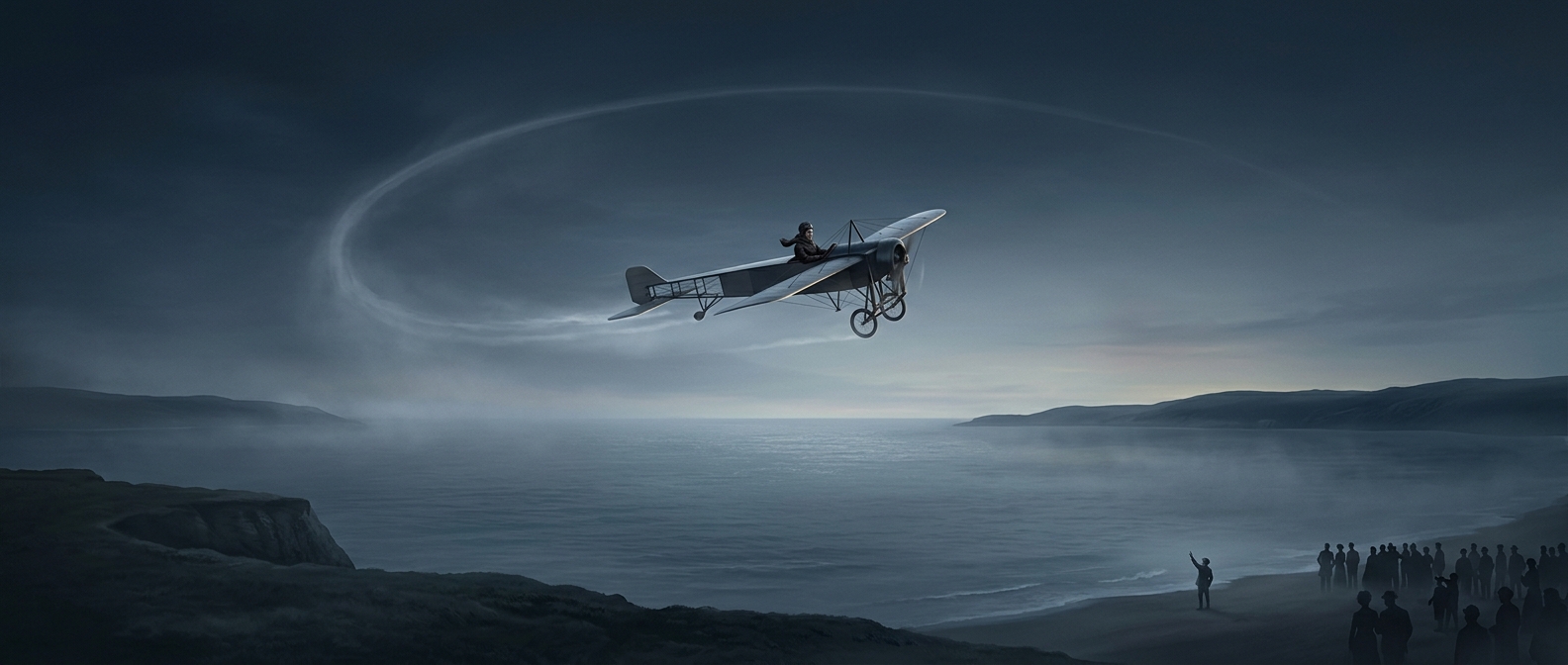
Harriet Quimby made her flight in a Blériot monoplane, an early aircraft with a lightweight frame and wings braced by wires. It offered little protection from weather: the pilot sat in the open, relying on engine power, balance, and a clear enough view to keep the aircraft on course. Crossing the English Channel meant leaving the familiar ground behind and navigating over water, where there were few places to land safely if the engine failed.
The achievement was not simply that a woman had taken the controls. Quimby had to manage the same practical risks confronting other early aviators while attempting a route that made mistakes especially costly. The flight demonstrated that a woman could undertake a demanding long-distance journey in an era when aviation itself was still new and dangerous.
Why the headlines moved on
A newspaper editor had to choose what readers would see first. A Channel crossing was a remarkable event, but it was a single achievement; the Titanic disaster was unfolding into a continuing international story, with deaths, survivors, and unanswered questions. Its scale and urgency pulled attention toward it just as Quimby’s flight offered editors a competing lead.
That contrast helps explain how a milestone can be historically important yet quickly disappear from the day’s news. Quimby’s crossing widened the public idea of who could be an aviator, but its timing made the feat easy to overlook. The aircraft completed the journey; the headlines had already taken another course.