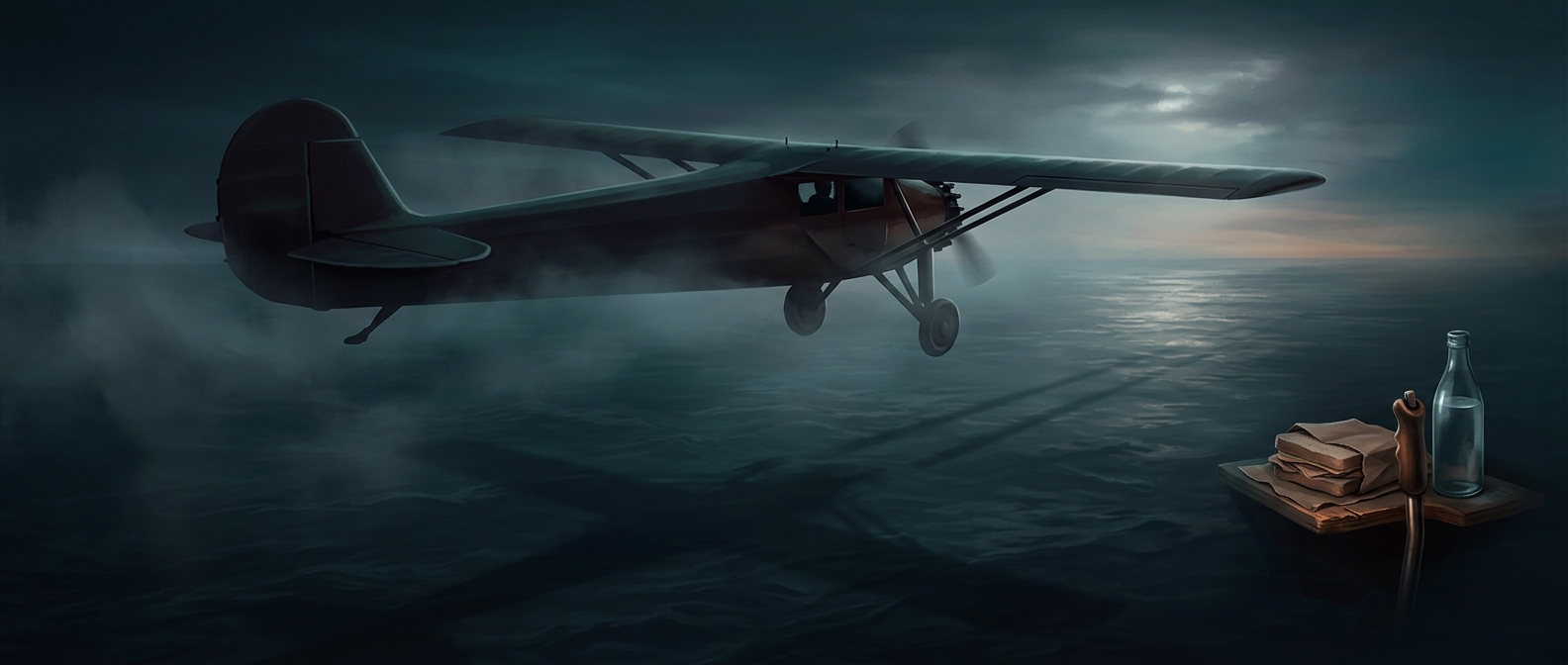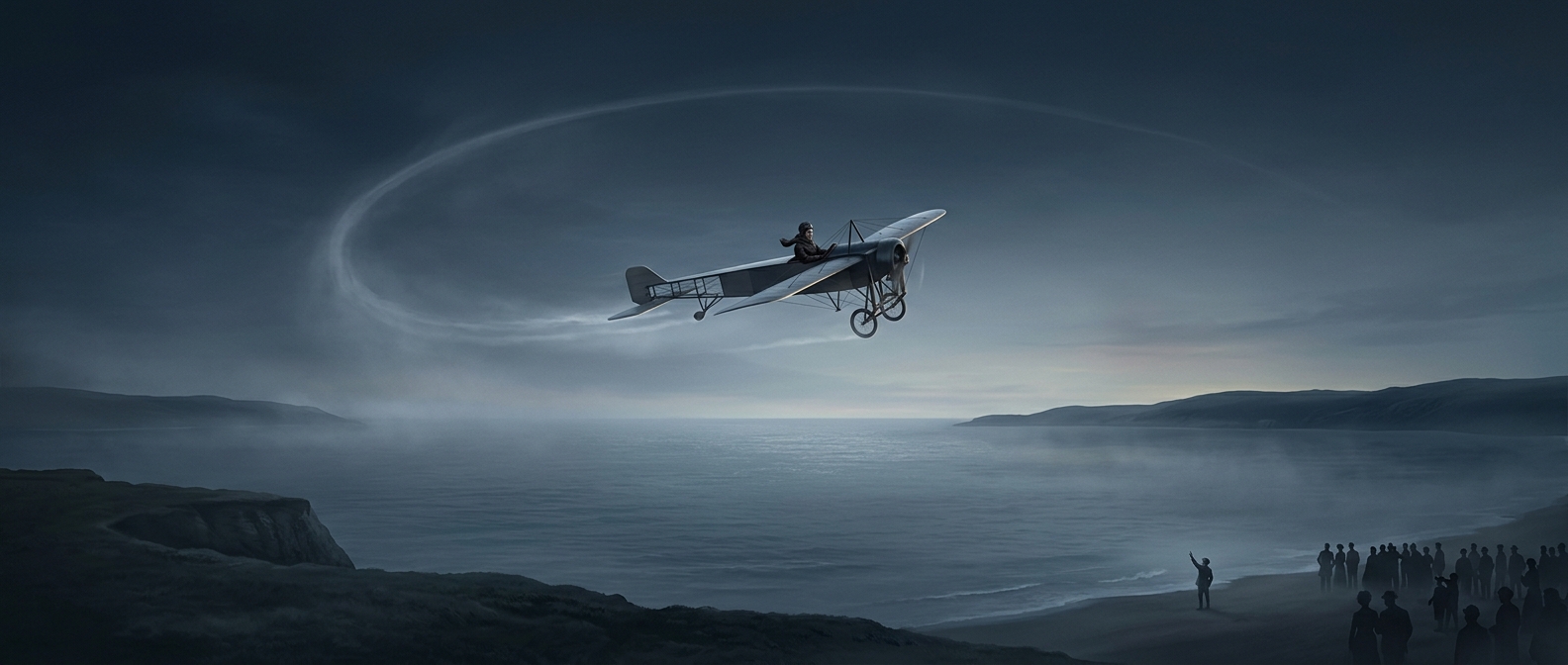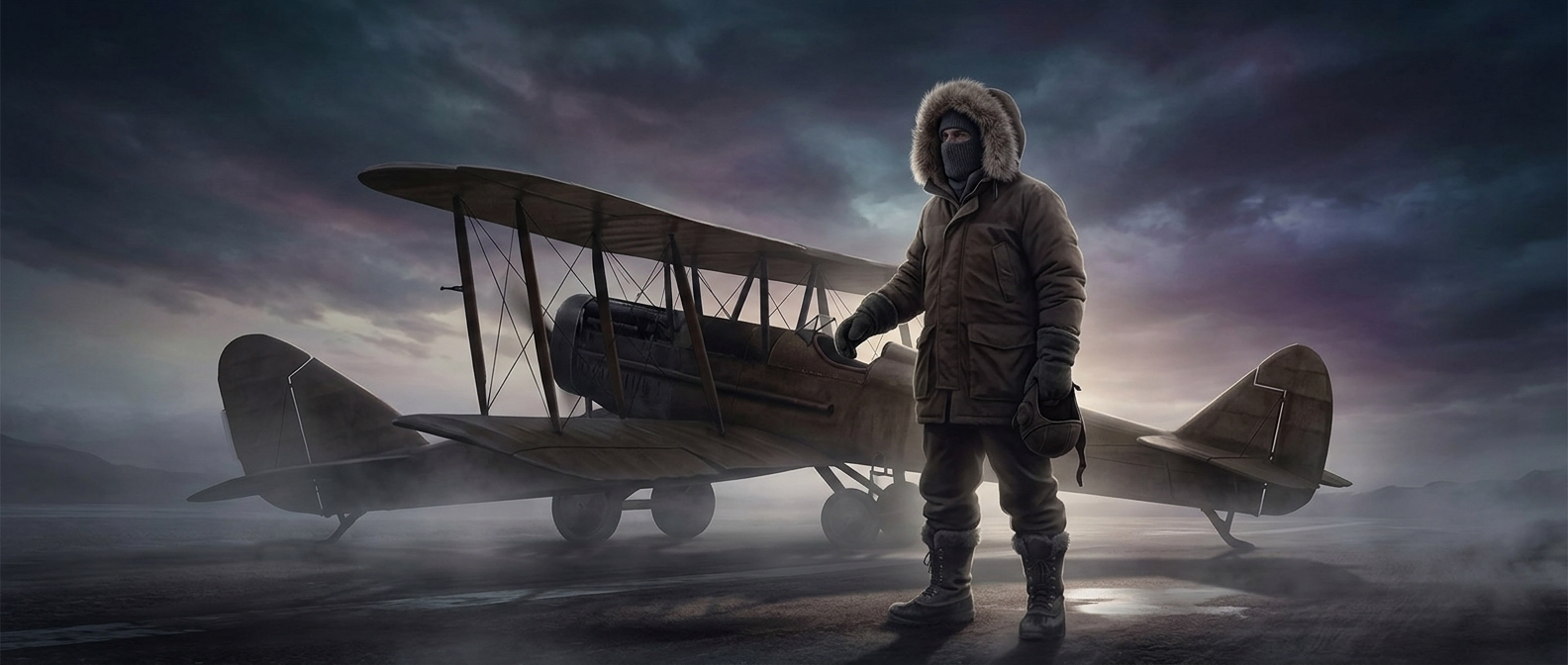
An open cockpit made the sky a cold workplace
Early airplanes offered little protection from the air rushing past them. With no enclosed cabin to block the wind, a pilot sat directly in the slipstream—the fast-moving airflow around the aircraft. Even on a warm day at ground level, that exposure could chill a pilot quickly, especially as the aircraft climbed into colder air.
The problem was more than discomfort. Cold hands could make it harder to grip a control stick or operate instruments, while wind and airborne grit threatened the eyes. Goggles shielded vision; leather caps and gloves helped protect exposed skin and preserve dexterity. Heavy layers added insulation, much as they would for anyone working outdoors in harsh weather.
Clothing became part of the flying equipment
An airplane’s controls demanded steady, precise movements, so pilots needed gear that kept them capable rather than merely warm. A scarf or snug cap could also reduce the sting of air streaming past the face and neck. These were practical adaptations to a machine whose cabin—if it had one at all—did not yet separate its occupants from the elements.
As aircraft gained enclosed cockpits, the wind stopped striking pilots directly, and the need for this particular combination of expedition-like clothing diminished. The early aviator’s look therefore records a design limitation as much as a fashion: before the airplane could make flight comfortable, its pilot had to dress for the weather inside it.