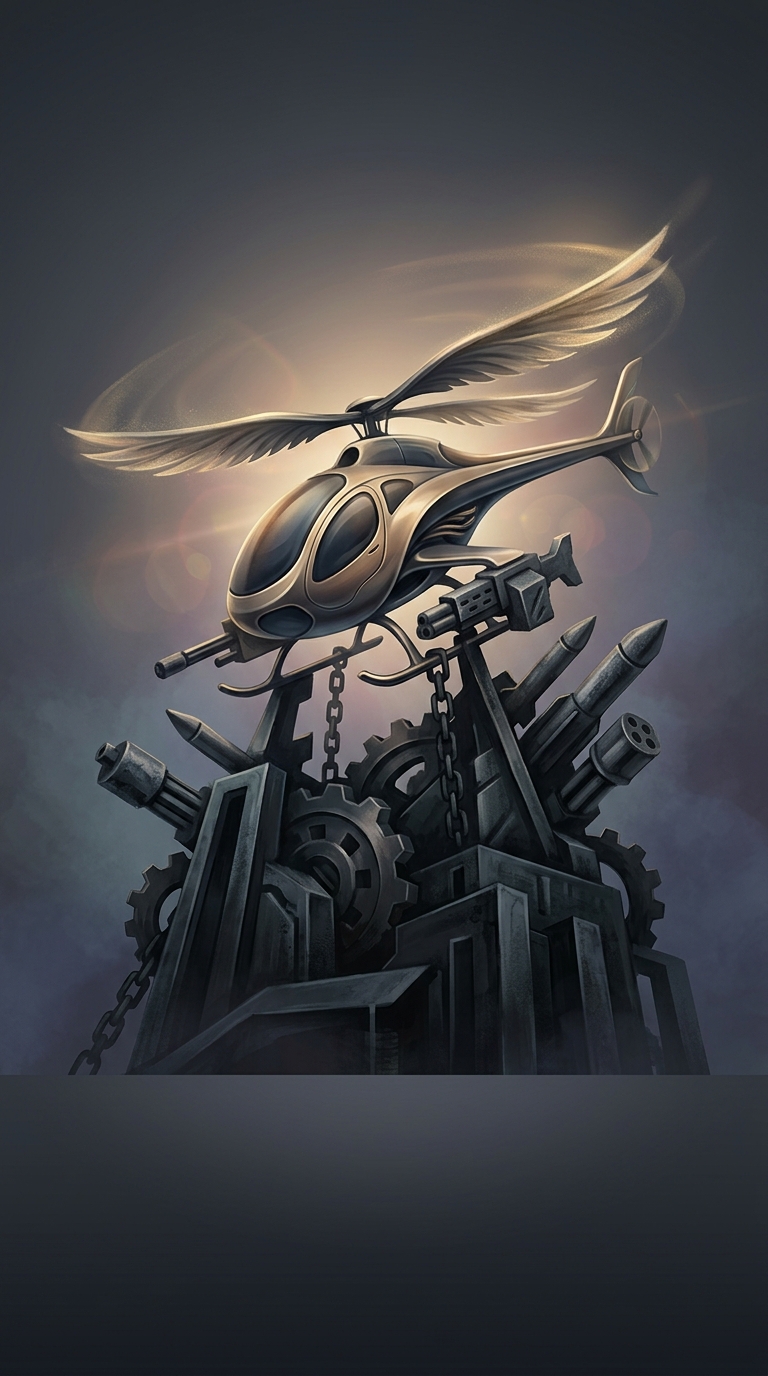
One rotor system, two very different jobs
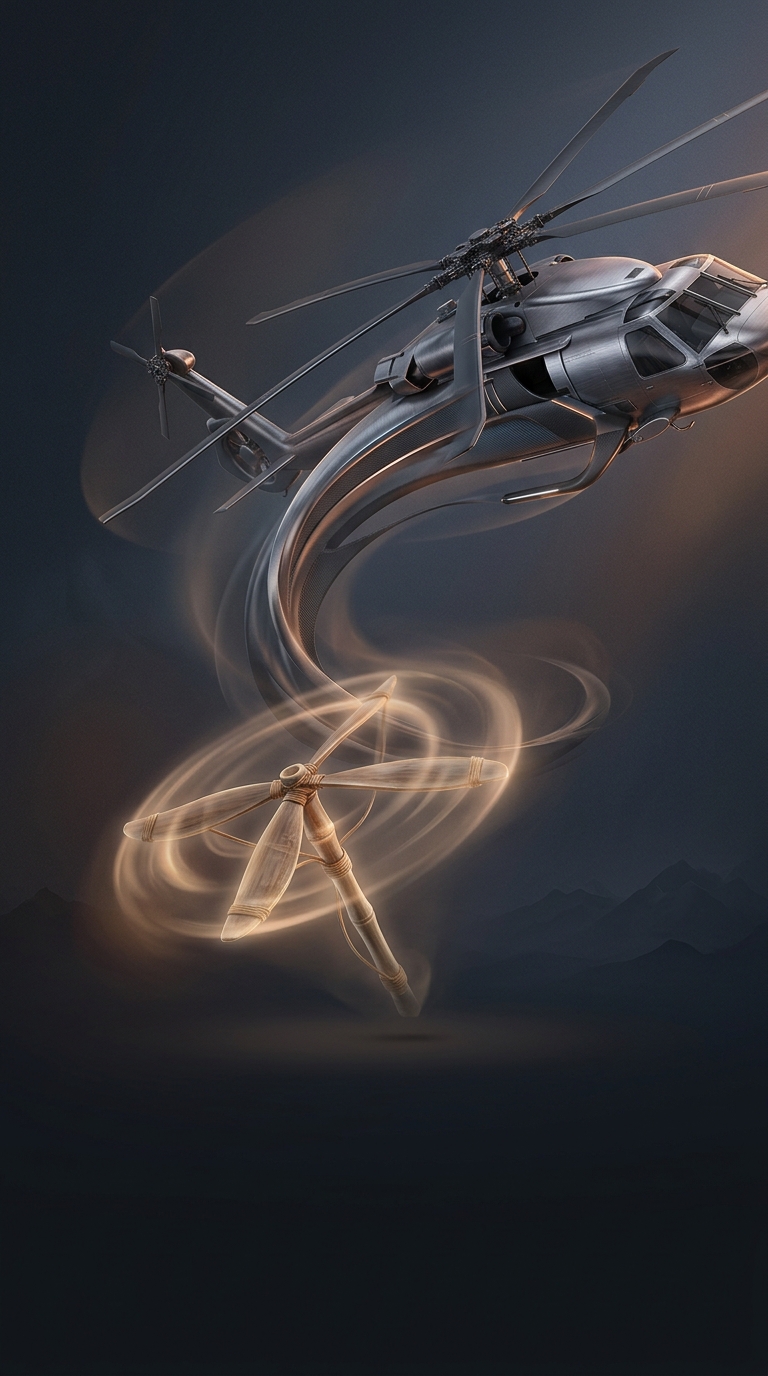
Igor Sikorsky’s key achievement was not simply making a helicopter rise vertically. His VS-300, first flown in 1939, established a practical layout: one large rotor provides lift, while a smaller tail rotor counters the main rotor’s twisting force and helps the pilot steer. Sikorsky’s R-4, developed from that work, became the first helicopter built in quantity.
That arrangement made the aircraft useful where ordinary planes could not go. A helicopter can hover, approach a confined landing spot, and leave without needing a runway. Those abilities suit rescue crews reaching a ship in distress or a remote casualty—but they also suit military crews moving people and equipment into difficult terrain.
Why the same machine could rescue or attack
The helicopter’s versatility comes from its flight, not from any single purpose built into its frame. A hovering aircraft can lower a rescuer or carry a patient away; it can also keep a crew and its weapons near a target. The rotor that permits a slow approach and a precise landing gives a military aircraft access to places that may be inaccessible to conventional aircraft.
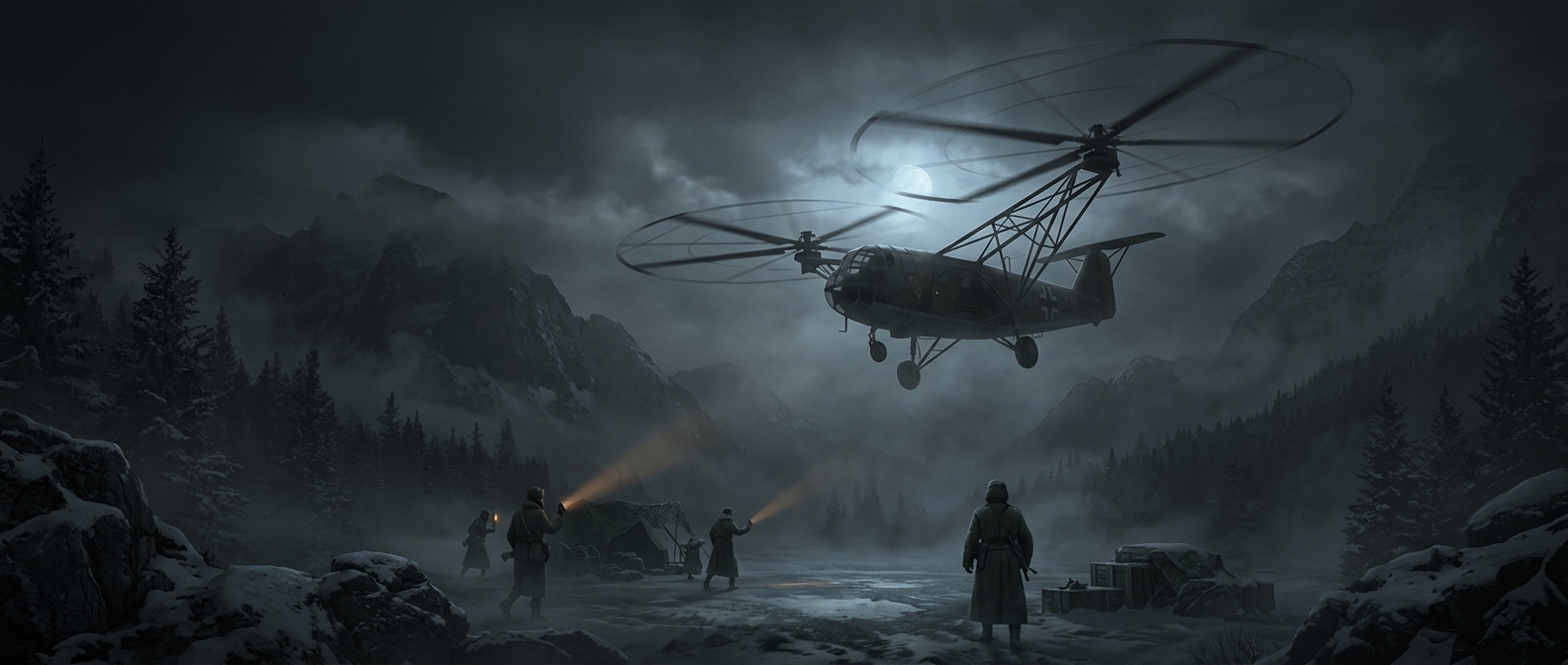
As armed helicopters developed, weapons and military equipment were added to aircraft designed around that basic ability. The transformation was not a change in the helicopter’s defining mechanism; it was a change in what operators asked it to do. Sikorsky’s rescue-minded vision and the military’s interest in the same machine’s reach could therefore coexist in one invention—its most striking capability serving sharply different ends.