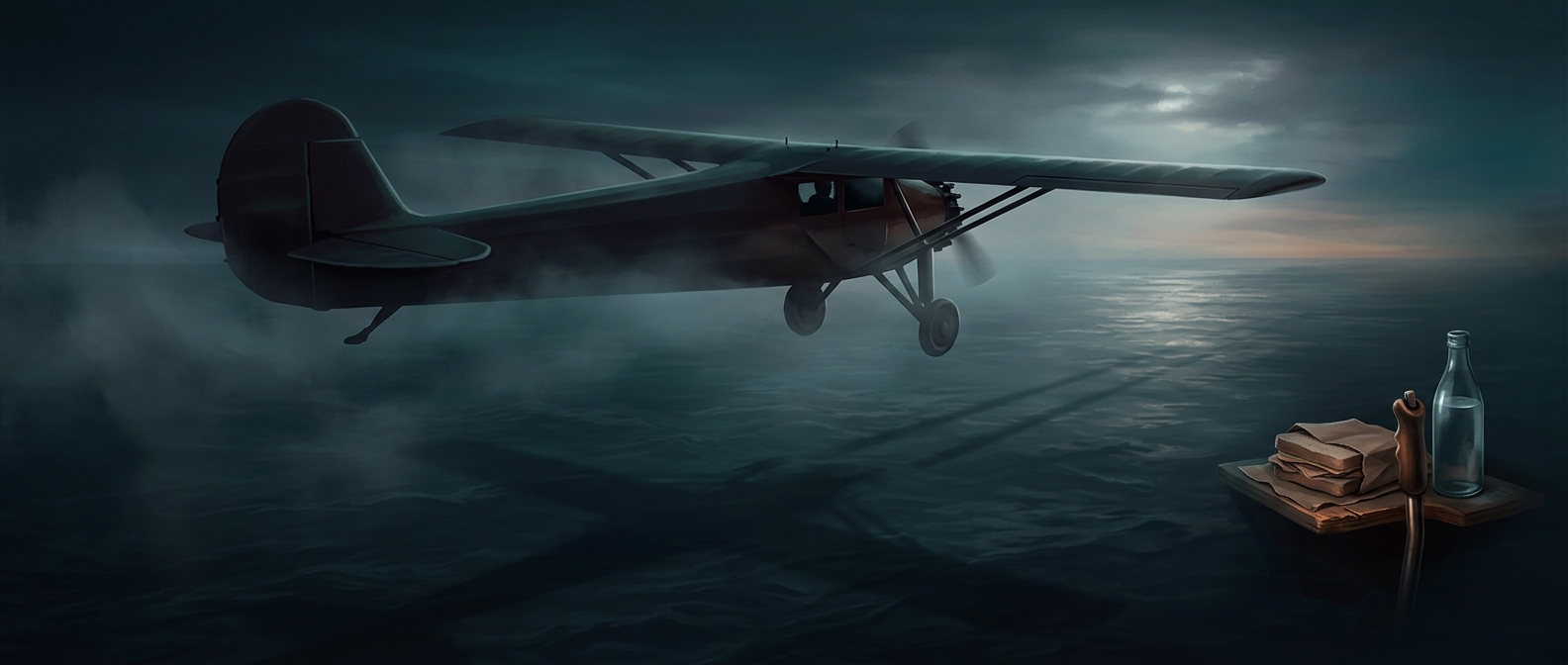
Why Lindbergh Packed So Little for a Day-Long Flight
Charles Lindbergh’s 1927 transatlantic flight was an exercise in stripping an airplane down to what it needed to cross the ocean. The Spirit of St. Louis had been designed around a demanding constraint: carry enough fuel to fly from New York to Paris without stopping. Fuel took priority over nearly everything else, including comfort and spare capacity.
That tradeoff shaped the cockpit as well as the packing list. The large fuel tank sat between Lindbergh and the engine, blocking a direct view forward. He relied on instruments and a periscope for limited forward vision, while steering and monitoring the aircraft himself. There was no co-pilot to share the work—or to divide the food.
Food Was a Small Part of the Weight Budget
Five sandwiches were a simple, lightweight provision for a flight expected to last more than a day. Every pound aboard mattered because it had to be lifted and carried for the entire journey. Extra food might have offered comfort, but it also competed with fuel and other equipment in an aircraft built for maximum range.
The sandwiches did not make the trip easy. Lindbergh had to manage fatigue, stay alert to the instruments, and keep the plane on course across a long stretch with few chances to correct a mistake. The meal plan is memorable because it turns an abstract engineering compromise into something tangible: on the world’s most consequential long-distance flights, even lunch had to justify its weight.