How a Foot Brace Changed Mounted Fighting
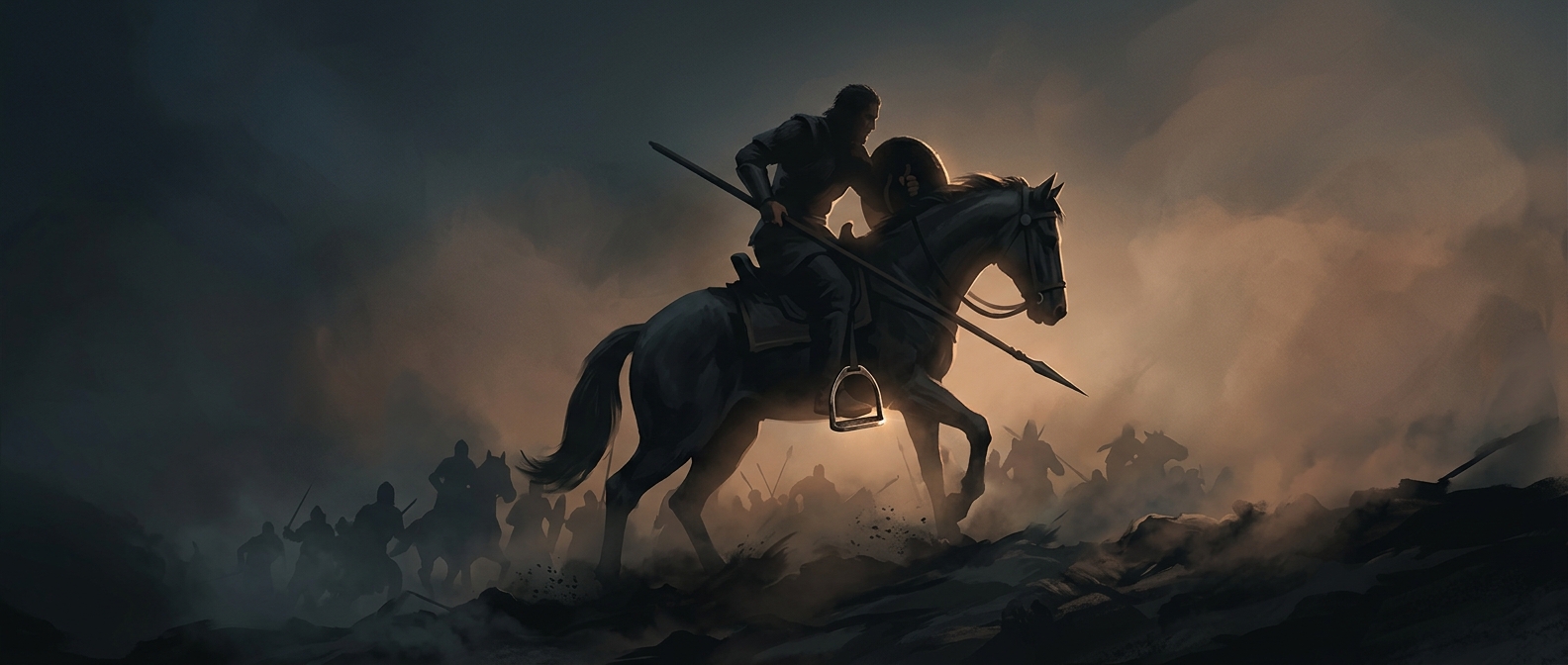
A stirrup is a loop or small platform that hangs from a saddle, giving a rider somewhere to place a foot. Its military value came from changing how force traveled through the rider. When a mounted fighter pressed a foot into a stirrup, the leg could brace against the saddle while the torso turned or the arm swung. The rider was less likely to be jolted out of position by the movement or by a collision.
A More Stable Platform, Not a Fixed One
The brace helped a rider manage forces that would otherwise unsettle the whole body. A sideways sword stroke, for example, could pull the shoulder and torso off balance. With feet supported, the rider could counter that motion through the legs and saddle. In a forward charge, a braced rider could also better resist the impact of a weapon meeting its target.
Stirrups did not lock anyone onto a horse. A rider could still fall, and balance, training, the saddle, and the horse’s movement all mattered. The device offered leverage and support; it did not make mounted combat effortless or risk-free.
Why the Difference Mattered
Before a useful foot support, riders had to rely more heavily on balance and grip to stay seated while handling a weapon. Stirrups made it easier to combine riding with forceful actions, helping mounted fighters strike and absorb shocks without being as easily displaced. The practical change was simple: a rider’s feet could now help steady the rest of the body, turning the saddle into a more dependable fighting platform.