The climate advantage builds with every mile
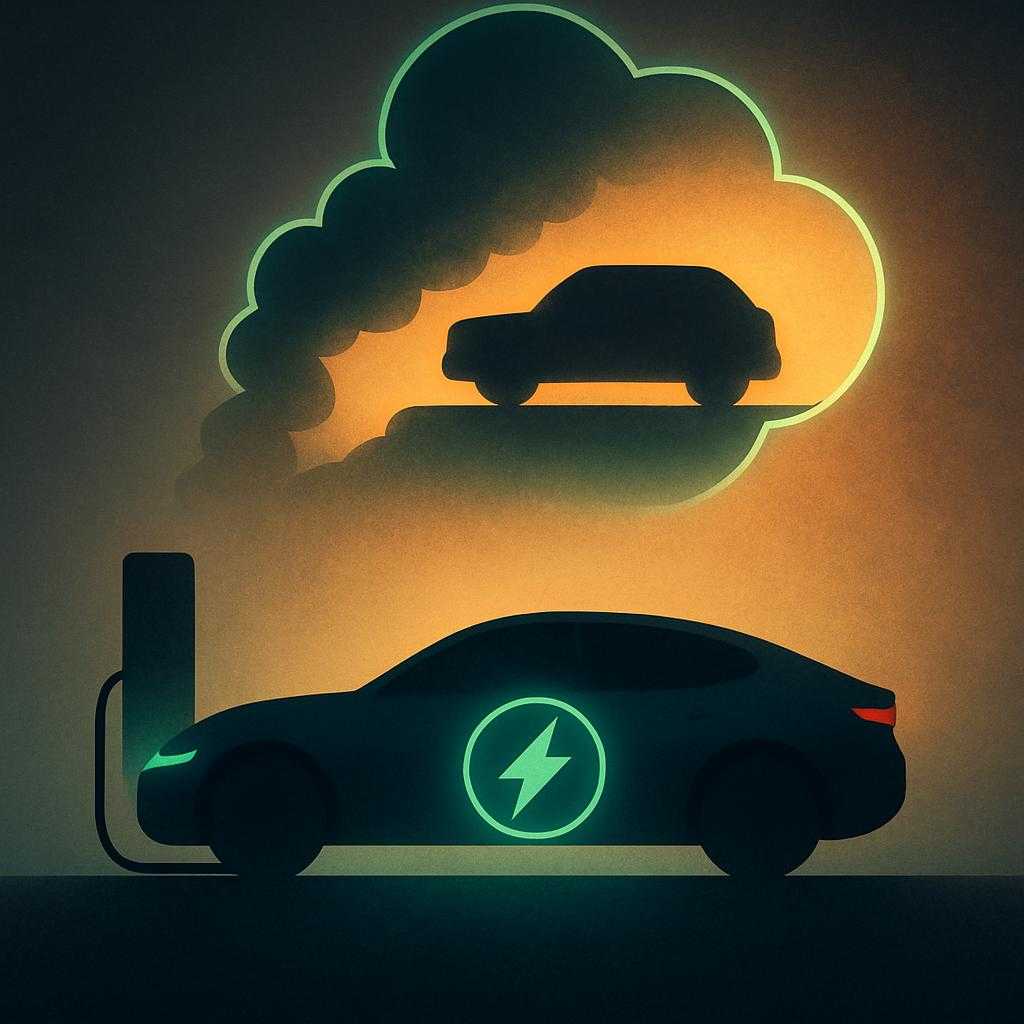
A gasoline car burns fuel whenever it moves, releasing carbon dioxide from its tailpipe. An electric car has no tailpipe emissions: its motor uses electricity stored in a battery. If that electricity comes from low-carbon sources such as wind, solar, or nuclear power, driving adds far less climate-warming pollution.
The difference accumulates over the car’s life. Each mile powered by clean electricity avoids emissions that would otherwise come from extracting, refining, and burning gasoline. The more the car is driven on a clean grid, the more that operating advantage can offset pollution created before the car ever reaches the road.
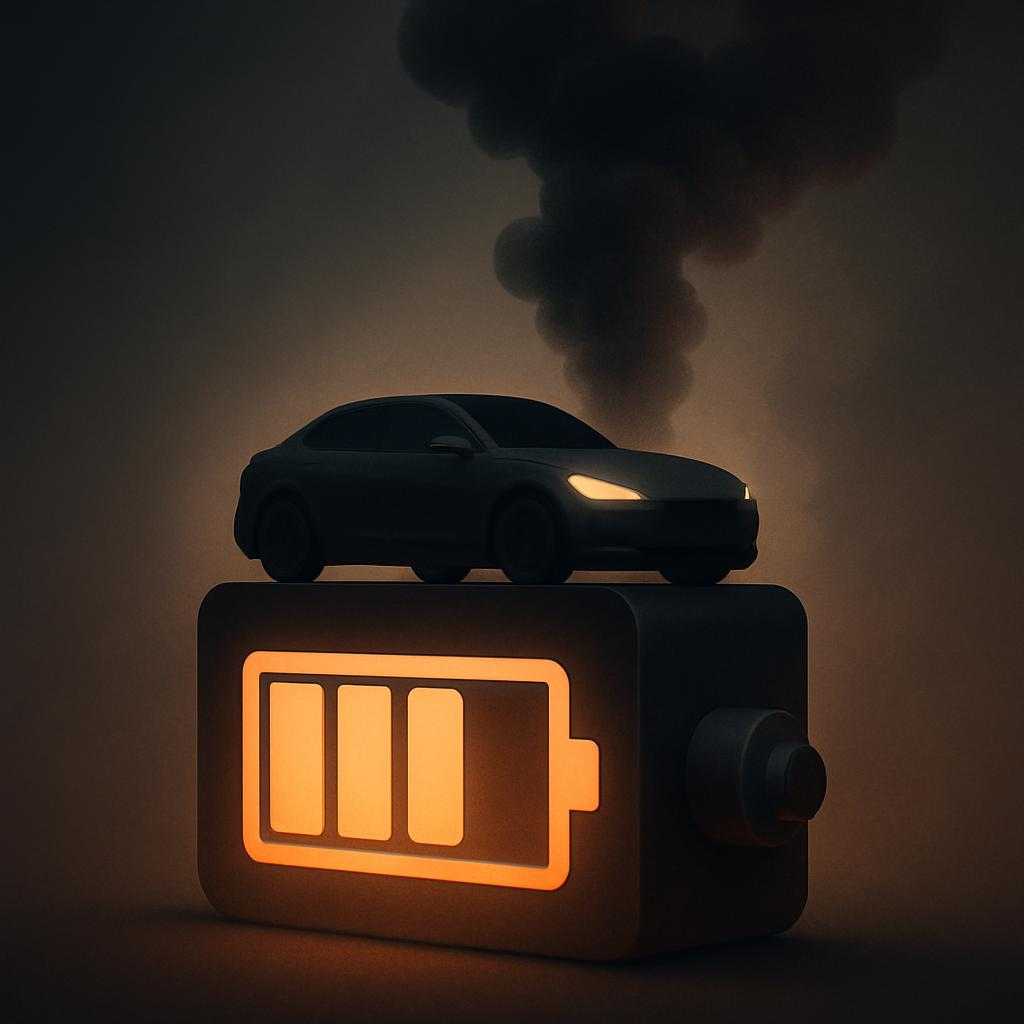
The battery changes the timing
Building an EV can produce more emissions than building a comparable gasoline car, largely because making its battery requires energy-intensive mining and manufacturing. That means an EV may start its life with a larger emissions “debt.” It can repay that debt through lower emissions while being driven, but how quickly depends on the battery, how far the car travels, and how clean its electricity is.
A lifetime comparison therefore counts more than what comes out of the exhaust. It includes vehicle and battery production, the energy used to drive, and—where relevant—fuel production. Under the clean-power assumption, the key benefit is not that an EV is impact-free; it is that its emissions can be much lower across the full journey from factory to retirement. And because the grid can get cleaner over time, an EV already on the road may become less carbon-intensive to operate without changing the car itself.