The floppy disk was part of the command network
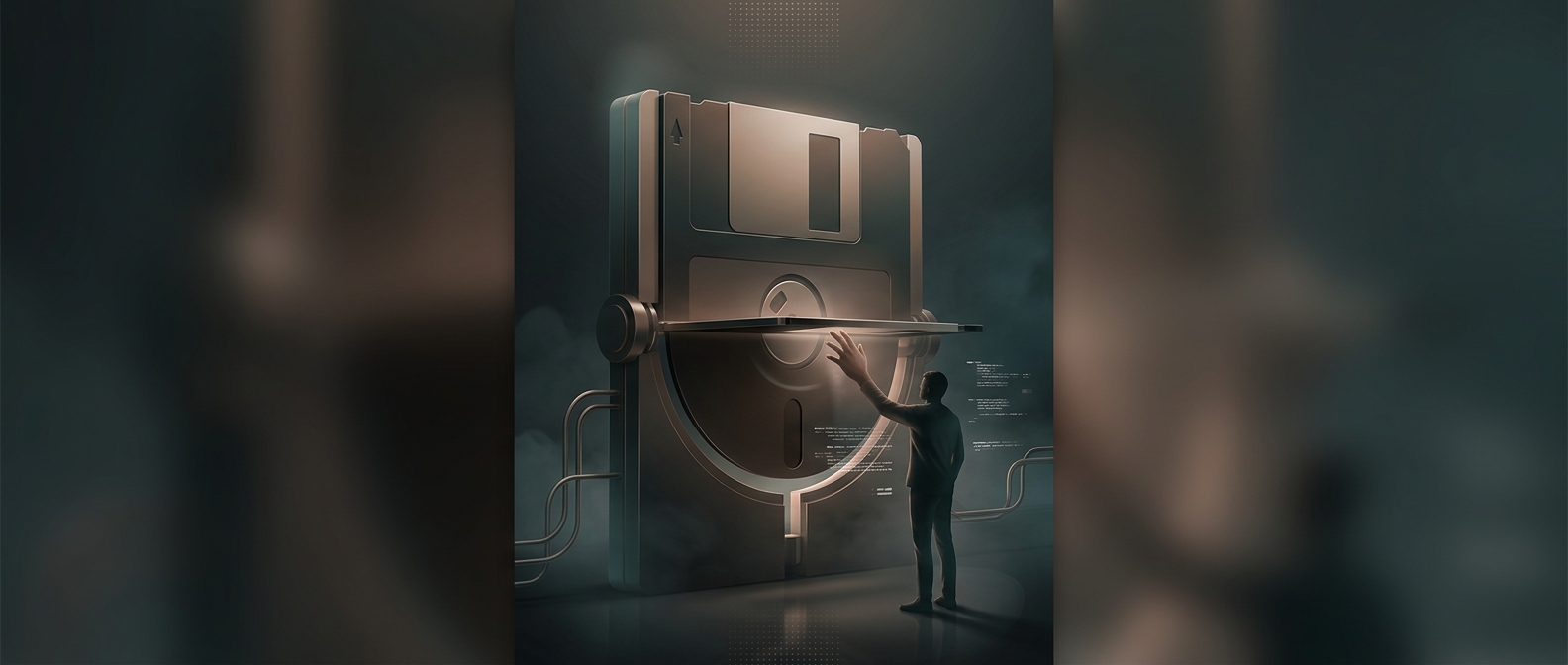
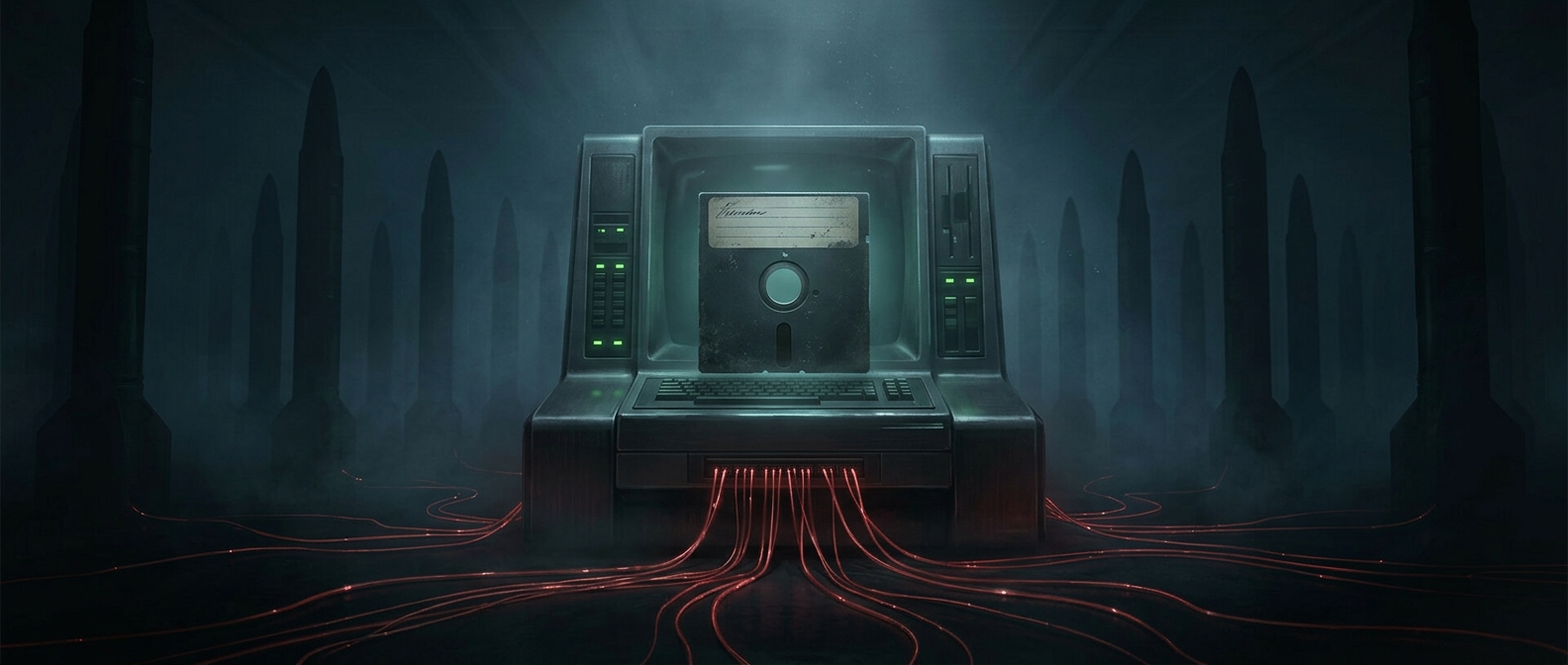
For decades, the U.S. military’s Strategic Automated Command and Control System used eight-inch floppy disks in computers that helped coordinate nuclear forces. The disks were not loaded into missiles, and they did not contain a simple “launch” command. They were part of the machinery for moving and managing information in a much larger command network.
That distinction matters: a nuclear command system has to do more than send an order. It must connect people and facilities, keep information moving, and support communications under demanding conditions. The floppy disk was one small, tangible piece of that infrastructure.
Old technology can remain useful—and risky
A computer system does not become obsolete just because newer storage exists. Replacing it can mean redesigning connected hardware and software, testing the whole arrangement, and ensuring that a change does not interrupt a mission where reliability is paramount. Familiar, stable equipment may therefore stay in service long after it looks startlingly outdated.
But age brings costs. Floppy disks and the drives that read them are harder to maintain, and replacement parts and expertise become scarce. The system was eventually modernized, ending the disk’s role in this particular network.
The striking lesson is that nuclear readiness depends not only on weapons themselves, but also on the unglamorous communications technology behind them. A disk small enough to seem almost trivial could be part of an infrastructure whose safe replacement required far more than swapping in a newer computer.