What the Equipment Is Actually Detecting
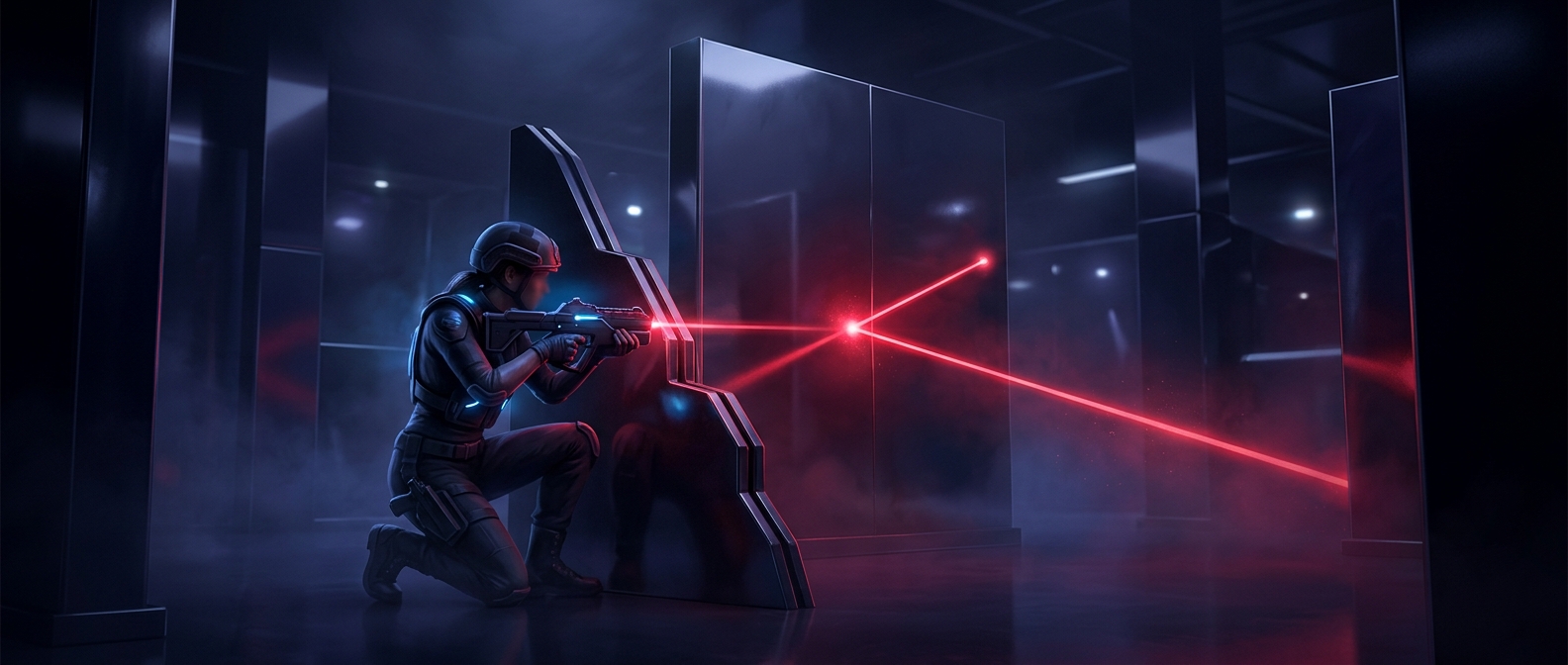
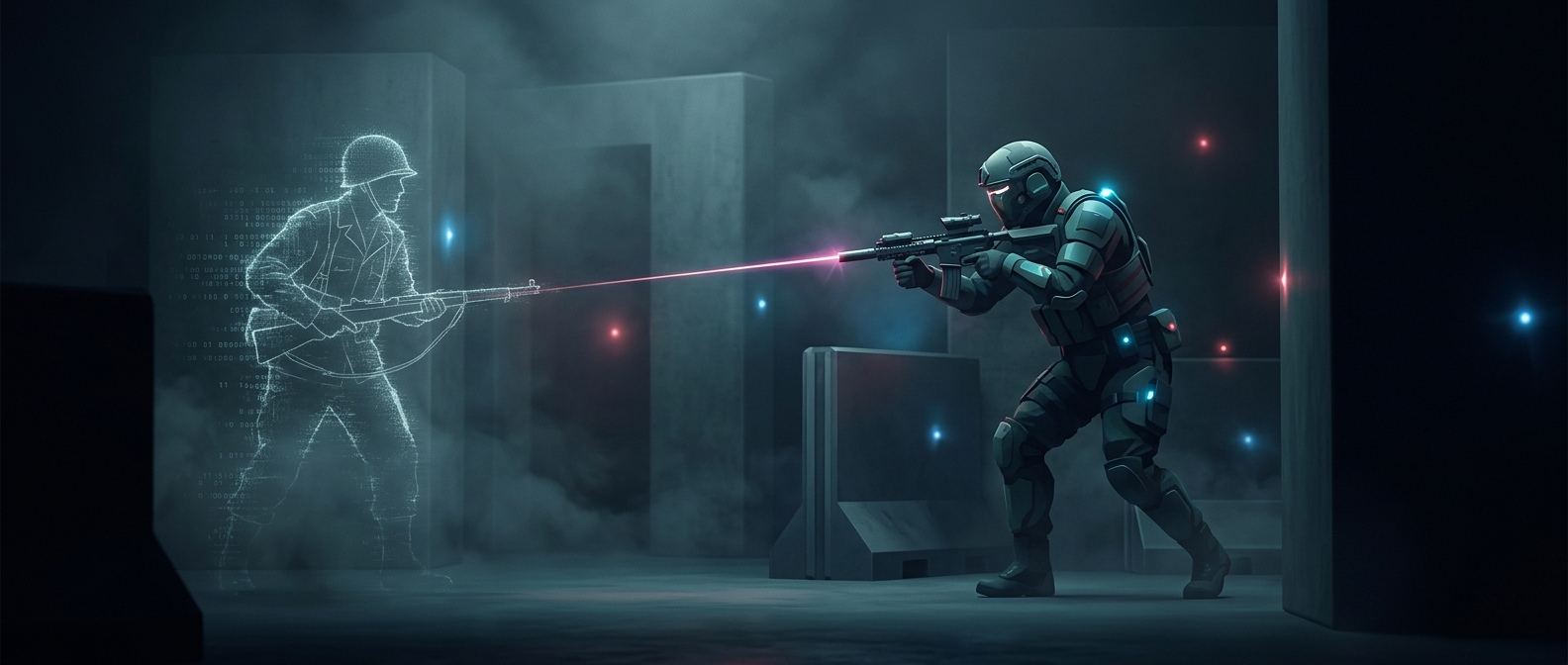
Despite the name, many laser-tag systems do not score a shot by tracking a visible laser beam. The blaster sends pulses of infrared light—the same kind of light used by many remote controls, but encoded so the game equipment can recognize a hit. Sensors on a player’s vest or other gear register those pulses and send the result to the scoring system.
That makes a hit a brief exchange of signals, not a physical impact. A shot can miss if the infrared signal does not reach a sensor, even when the player thinks the blaster was aimed well. Walls, obstacles, distance, and the target’s position all matter; exact sensor placement and rules vary by venue.
Why the Maze Changes the Game
A dark, twisting arena turns that technical limit into a tactical one. Corners and barriers can block a shot, so players have to choose when to expose themselves, where to aim, and whether to move as a group. The layout also creates short windows: a player may appear in a lane, fire, and disappear behind cover before opponents can respond.
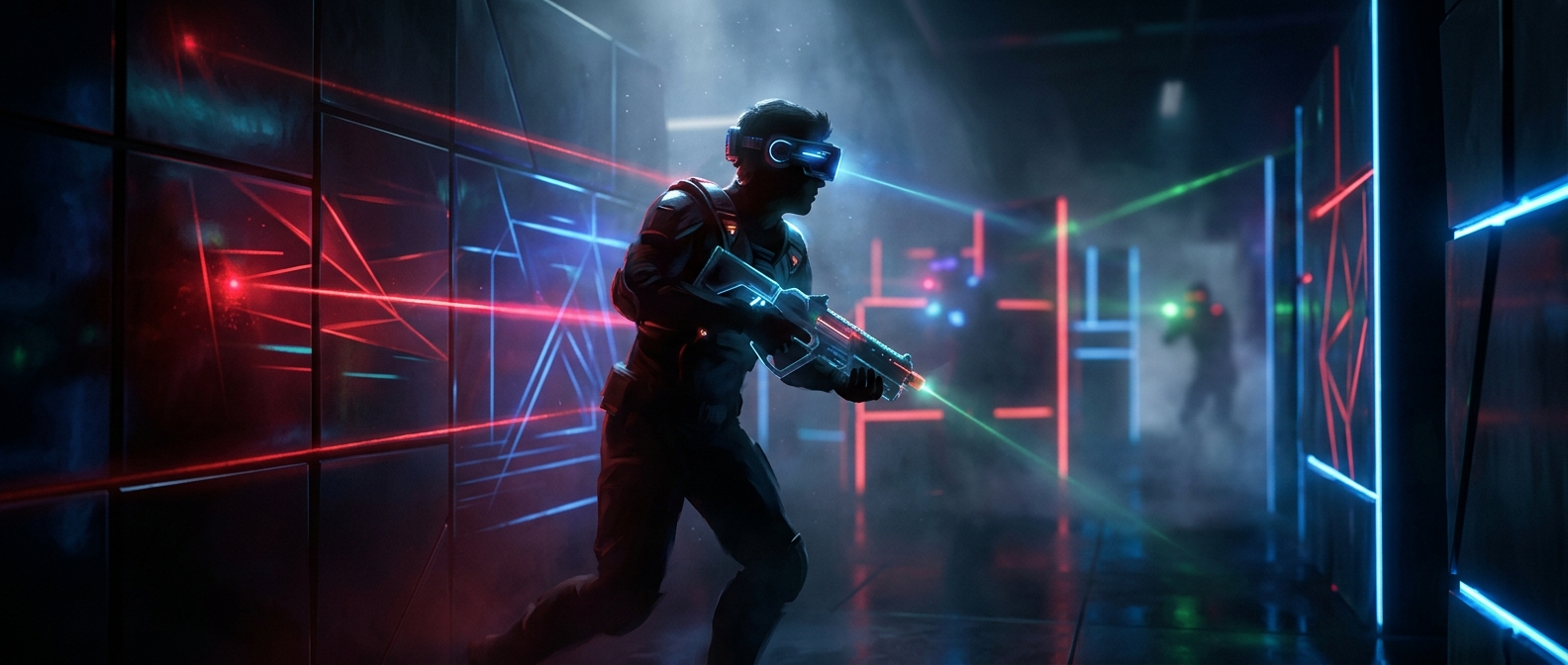
Fog and colored lights help make the room feel dramatic and can make movement easier to notice. But the fog is atmosphere, not the thing that makes a hit register. The scoring depends on the equipment’s infrared signal reaching a sensor.
A Game of Position, Not Just Aim
Because players can sprint, hide, and change angles, accuracy is only part of the challenge. A useful position may provide a clear view of opponents while keeping the player’s own sensors shielded. In that sense, the arena is part of the game’s machinery: its walls determine which signals can get through, and therefore which shots count.