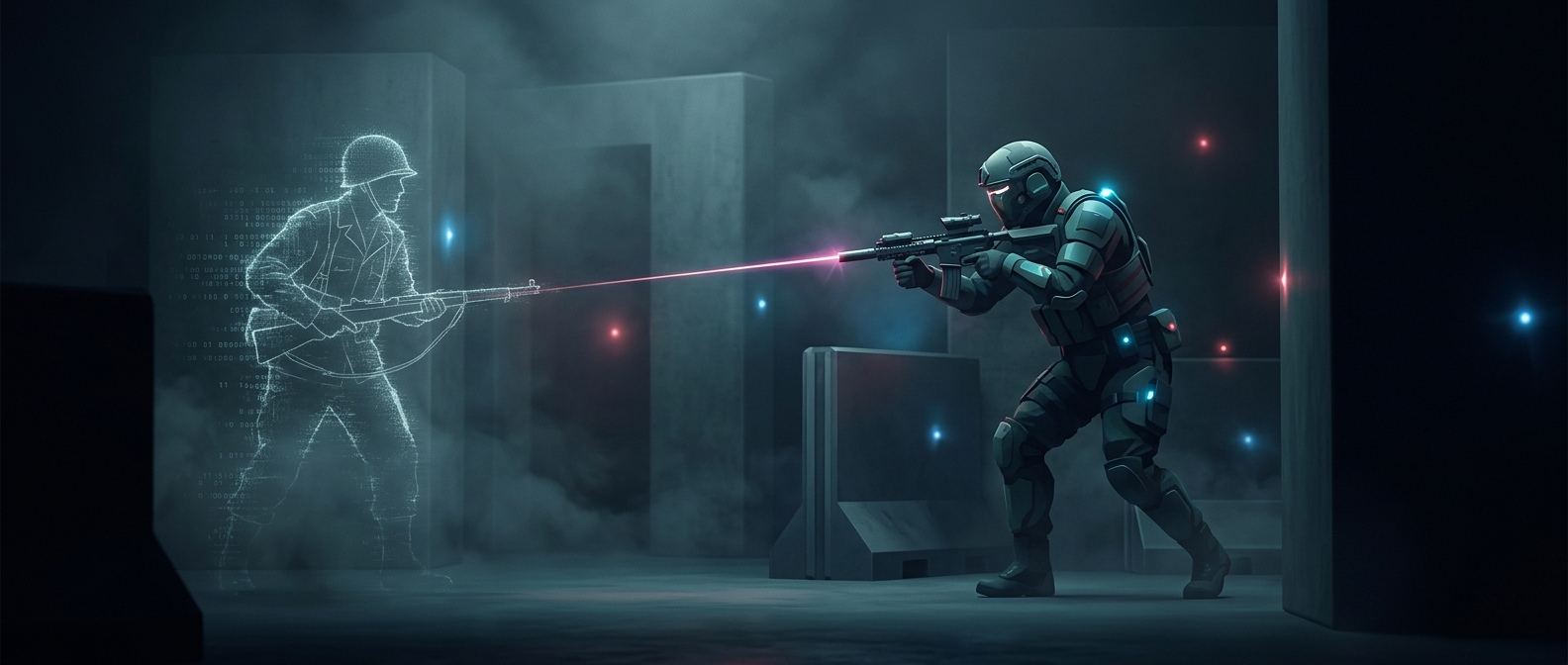
How a shot could register without a bullet
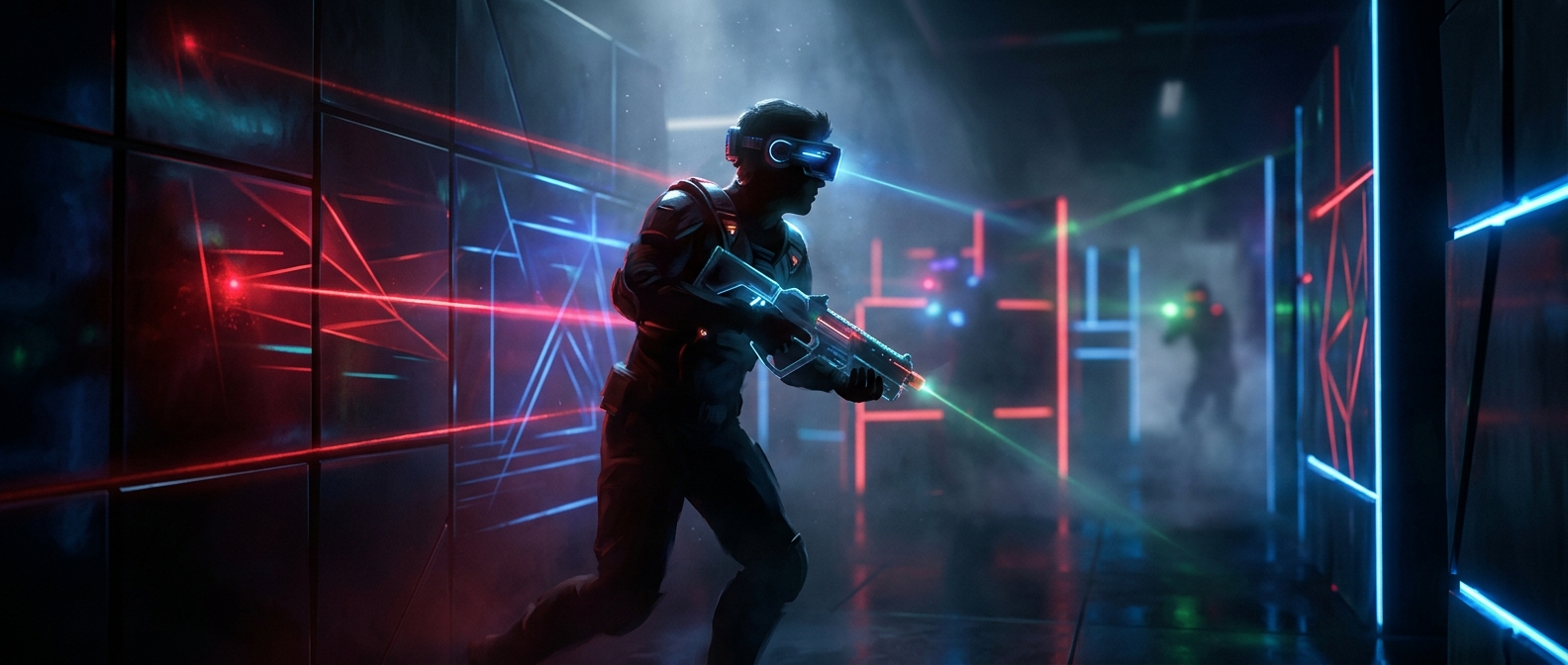
A training system can turn a trigger pull into a detectable signal. When a soldier fires a fitted weapon, it sends a coded pulse of light toward a receiver worn by another participant. If the receiver detects a valid hit, the system can record the event or signal that the person has been “hit.” Many such systems use infrared light, which people cannot see, rather than a bright visible laser beam.
That replaces ammunition’s physical danger with an electronic record. Soldiers can move and fire at one another in a field exercise without live rounds striking people, while instructors gain a way to see who was hit and when.
What the simulation can—and cannot—teach
The equipment makes a training exercise more realistic than simply pretending to fire: participants must aim, choose when to shoot, and respond to incoming fire. But a light pulse cannot reproduce a bullet’s force, and sensors cannot make every battlefield condition exact. The system is a way to practice decisions and movement with less risk, not a substitute for every kind of weapons training.
That practical tradeoff also made the core idea easy to adapt for recreation. Remove the military exercise and its rules, keep the sensors and electronic hit detection, and the same basic mechanism becomes a game: players can compete over who tags whom without firing anything capable of causing a real wound.