From a Borrowed Costume to a Team-Owned Character
A mascot is more than the fabric and foam that make up its suit. The recognizable character—the particular look and identity fans associate with a team—can be treated as a separate creative asset. Renting a suit lets a team put someone in costume for an appearance; buying the design gives the team a lasting stake in the character itself.
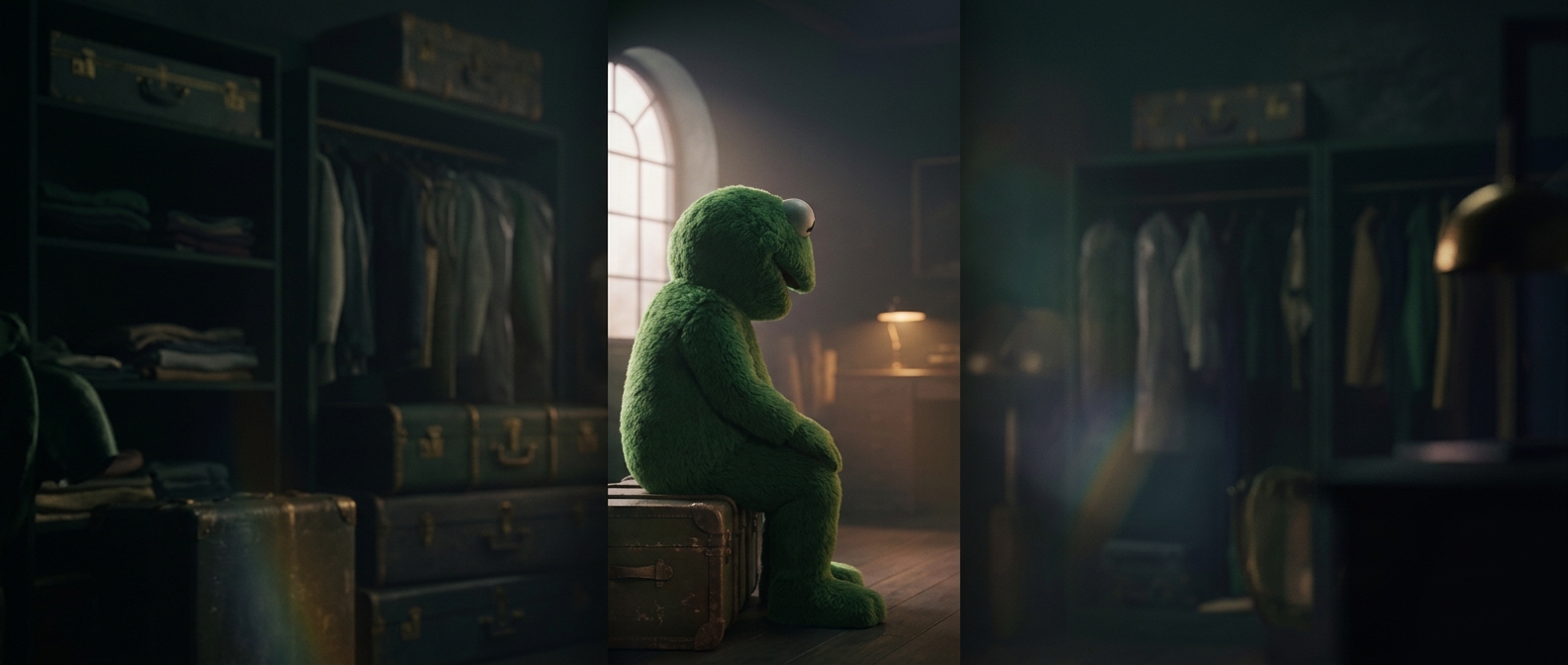
That distinction mattered for the Phillies’ oversized green mascot. The team initially rented the suit for very little, a low-commitment way to try out the idea. Once the character proved worth keeping, the team chose to buy the design outright rather than depend on a rental arrangement.
Why Ownership Changes the Playbook
A rental can solve an immediate need, but it leaves the team reliant on an agreement to keep using the character. Ownership makes it easier to build continuity: the same figure can return season after season, become familiar to fans, and appear in different team settings. It also gives the organization more control over how the character is presented and developed.
That control can matter beyond the ballpark. A mascot may appear on merchandise or in promotions, where a consistent design helps audiences recognize it. The original bargain, then, was not just about getting a costume cheaply. It was a small experiment that became a decision to secure the character as part of the team’s identity.
The revealing turn is how modestly that process began: a rented green suit was enough to test the idea, but keeping the character meant treating its design as something the team should own.