Why sidereal signs fall earlier in the calendar
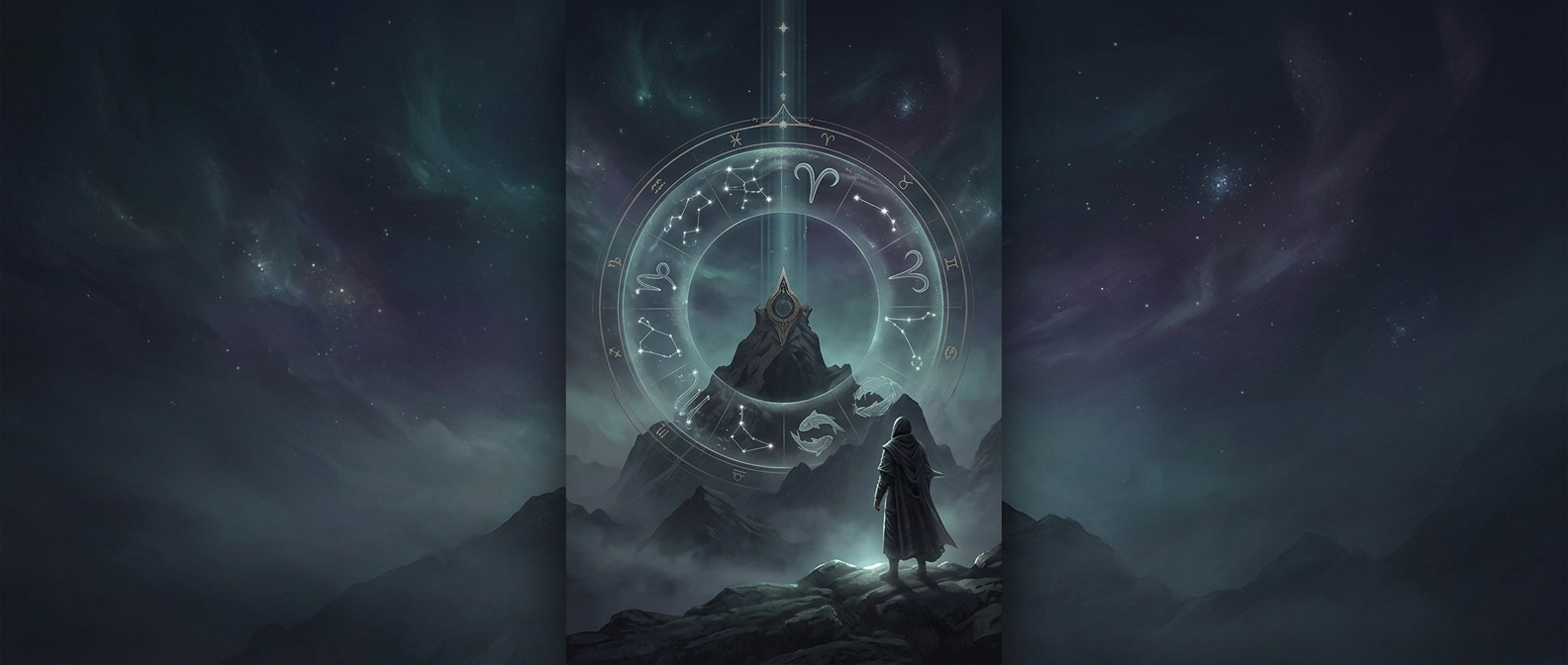
The two zodiac systems measure the sky from different starting points. Tropical astrology anchors its zodiac to the seasons: its first sign begins at the March equinox, when day and night are roughly equal in length. Sidereal astrology instead keeps its zodiac aligned with a reference based on the stars.
Those reference points have gradually drifted apart because Earth’s rotation axis slowly wobbles, much like a spinning top. This motion, called the precession of the equinoxes, changes where the equinox falls against the distant stars over thousands of years. A zodiac sign that starts at the equinox in the tropical system therefore no longer starts at the same star-based position.
A small sky shift changes many birthdays
Both systems divide the Sun’s apparent path across the sky into 12 equal sections. But because their starting points are offset, the Sun is usually assigned to an earlier section in the sidereal system than in the tropical one. The gap is roughly a sign’s worth of weeks, so many people find their sidereal sign is the one immediately before their familiar tropical sign.
The change is not a simple calendar-wide switch: someone born near a sign boundary may land differently, and sidereal astrologers use different conventions for setting the star-based offset. The practical consequence is that a birth date alone does not determine a sign until the zodiac system—and, for precise calculations, its convention—is specified.